

They Make a Space Feel Alive
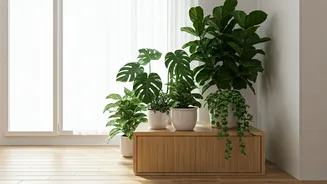
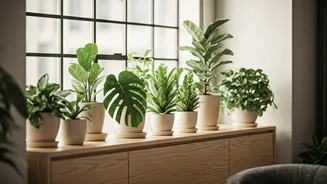
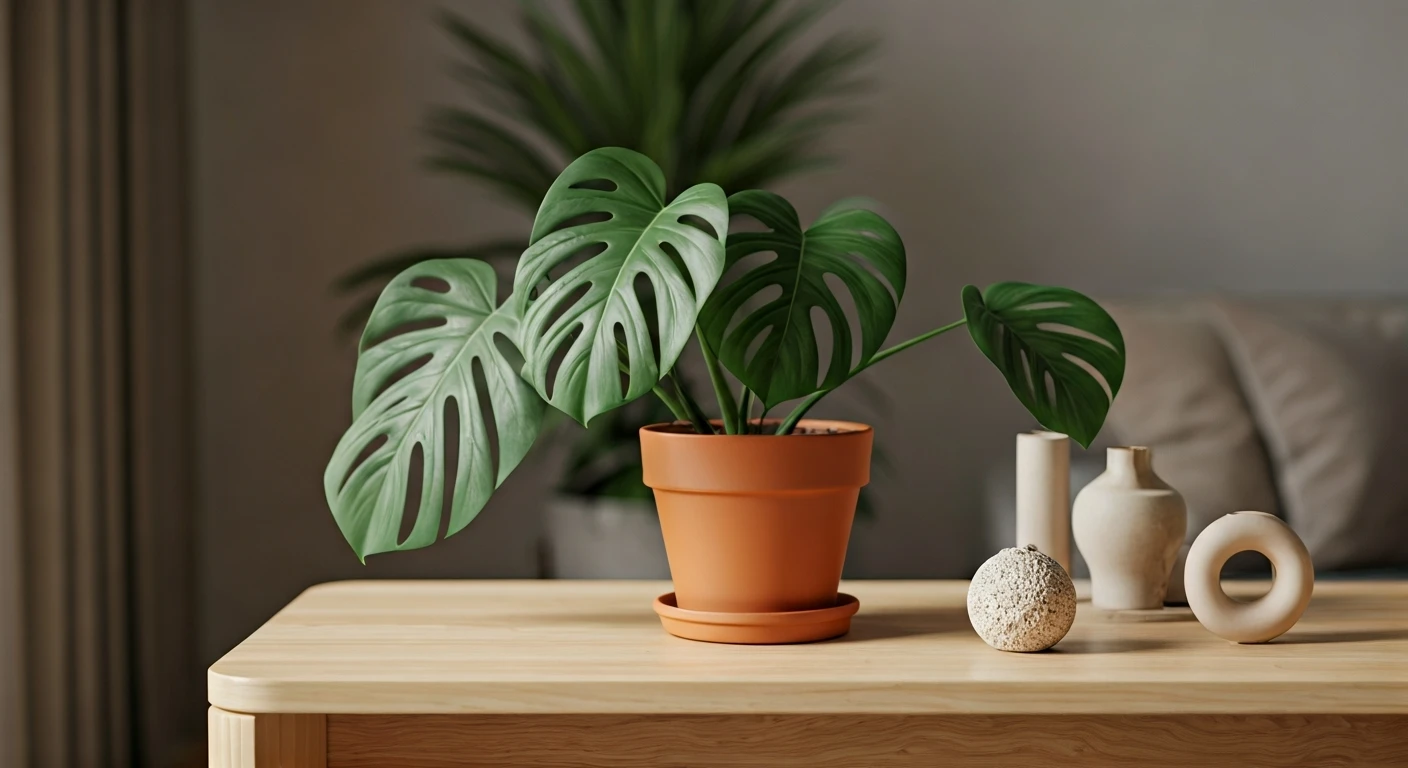
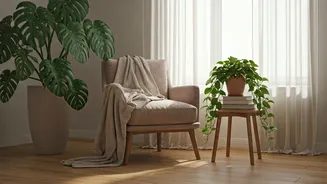
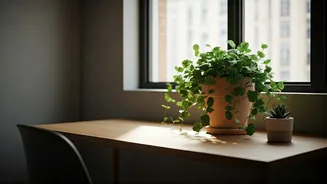
Before anything else, let’s state the obvious: plants are beautiful. They are living sculptures. A strategically placed monstera or a delicate string of pearls can do what no other piece of decor can: literally bring life into a room. They introduce organic
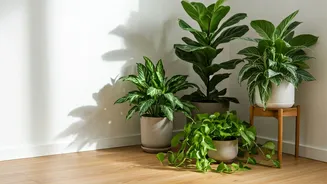
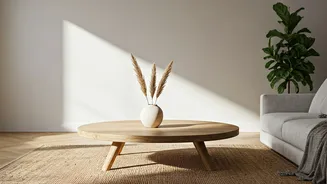
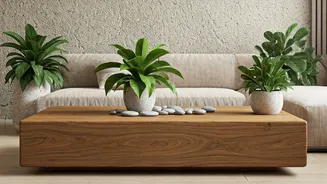
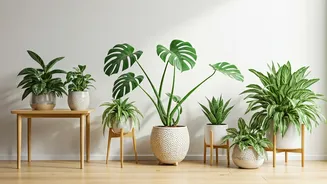
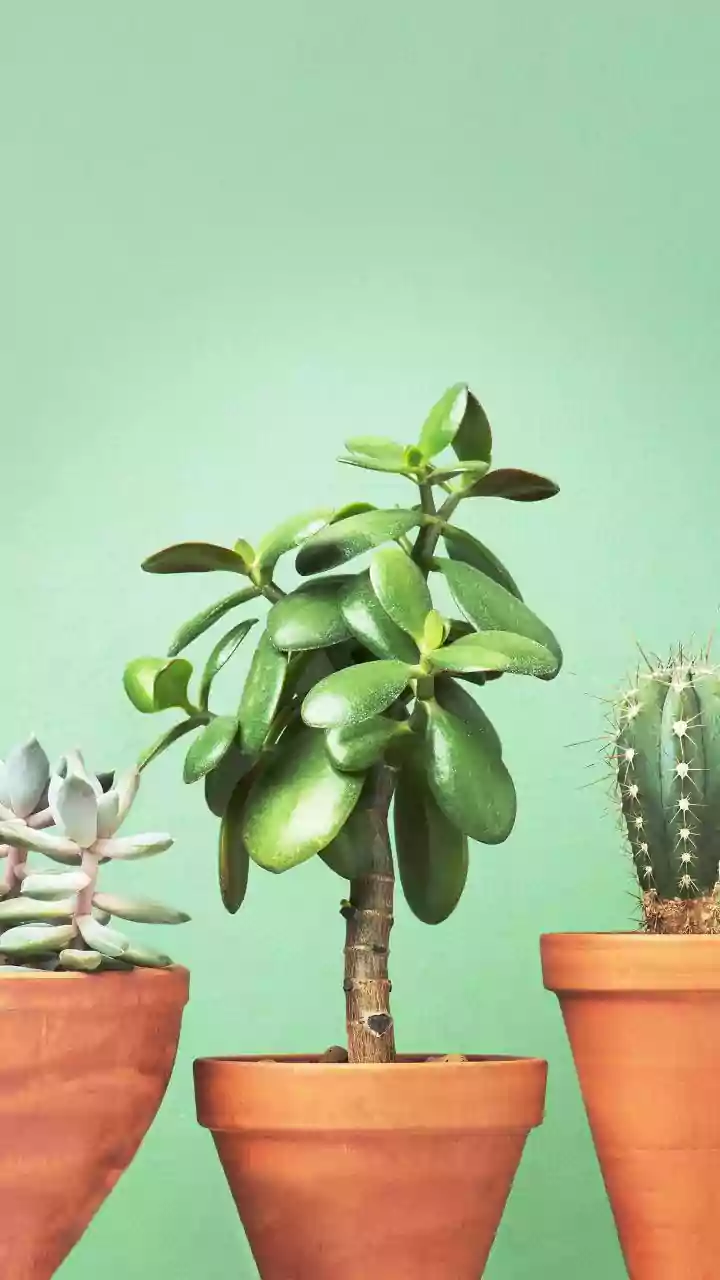
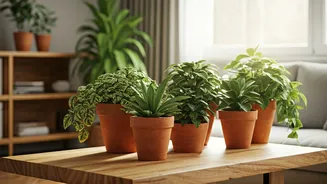
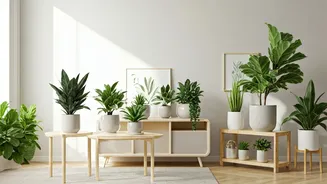
shapes and vibrant color that break up the monotony of flat walls and hard furniture lines. A tall palm can create a dramatic focal point, while a cluster of small succulents can add texture and interest to a coffee table. Unlike a throw pillow or a piece of art, a plant is dynamic. It grows, it changes, and it responds to its environment, making your home feel less like a static showroom and more like a living, breathing space. This visual vitality is the most immediate reason the trend has taken hold, instantly making rooms feel more complete, personal, and welcoming.
A Built-In Wellness Boost
The real power of the indoor plant trend goes far beyond looks. The concept of “biophilia”—the innate human tendency to seek connections with nature—is at play here. Studies have consistently shown that the mere presence of plants can have a tangible impact on our mental health. They can help reduce stress, lower blood pressure, and increase feelings of calm and well-being. There's also the simple, profound satisfaction that comes from nurturing something. In a world of digital immediacy and disposable goods, the slow, steady process of caring for a plant—watering it, watching for new leaves—provides a grounding ritual. It’s a small act of mindfulness that connects you to the natural world, even if you live in a high-rise apartment in the middle of a concrete jungle. This psychological payoff is why plants aren't just decor; they're a form of self-care.
The Air Quality Question
You’ve probably heard of the famous 1989 NASA study that found certain houseplants could filter common volatile organic compounds (VOCs) from the air. While this is true, it’s important to have realistic expectations. To truly purify the air in a typical room, you’d need a dense jungle of plants, far more than most people have. However, that doesn’t mean they do nothing. Plants do release oxygen and increase humidity, which can help counteract the dry air from heating and cooling systems. Even if the direct air-purifying effect is modest in a home setting, the psychological perception of a fresher, cleaner space is powerful. The sight of green foliage is so strongly associated with health and nature that it makes the environment *feel* healthier, contributing to the overall sense of well-being that plants provide.
Finding Your Green Thumb Is Easy
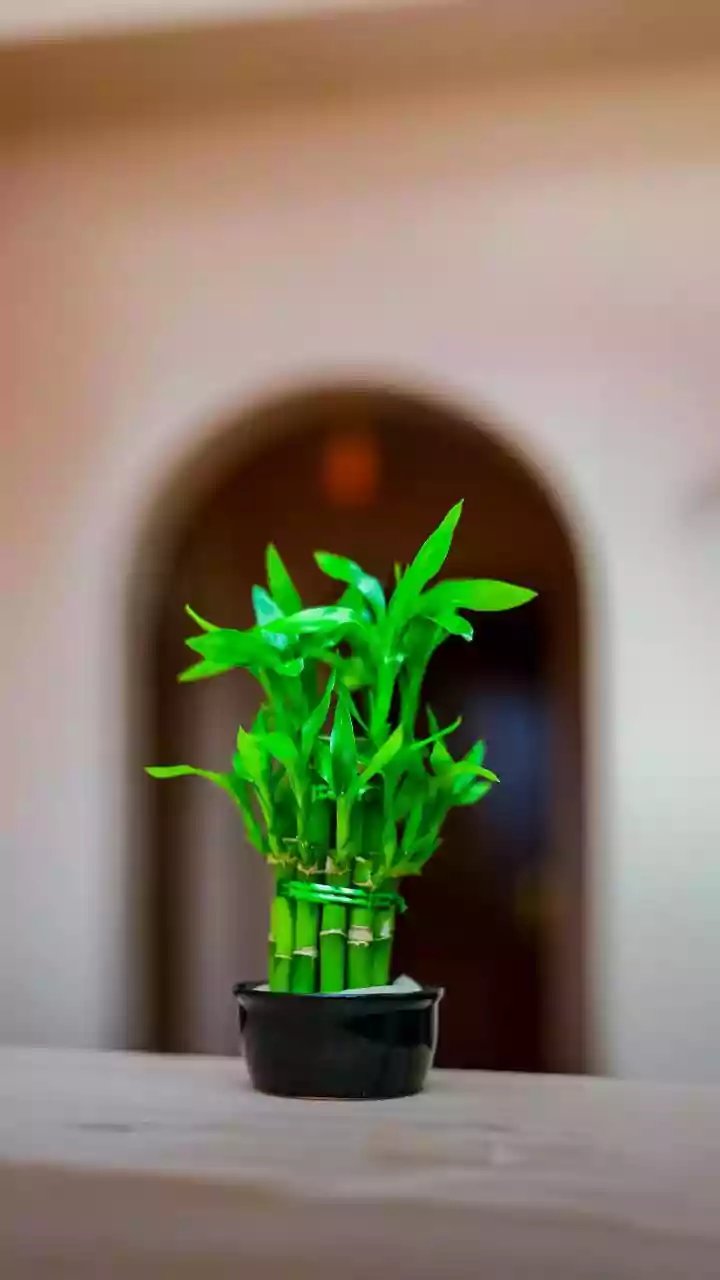
Perhaps the biggest barrier for many is the fear of failure. “I kill every plant I touch” is a common refrain. But the modern houseplant boom is built on the availability of resilient, low-maintenance varieties that can tolerate a bit of neglect. You don’t have to start with a finicky orchid or a temperamental fig tree. Instead, look to the nearly indestructible options that have become beginner favorites. The snake plant (Sansevieria) thrives on low light and infrequent watering. The ZZ plant (Zamioculcas zamiifolia) is so drought-tolerant you can forget about it for weeks. A pothos (Epipremnum aureum) will tell you when it’s thirsty with a slight droop and will quickly forgive you once you water it. Starting with one of these “unkillable” plants can build your confidence and demystify plant care, proving that this is a trend anyone can participate in, regardless of their experience level.