




Why the Timing Is So Crucial
Pruning isn't just about tidying up; it's a direct conversation with your plants. When you make a cut, you're sending a powerful signal. The plant responds by redirecting its energy to heal the wound and, more importantly, to stimulate new growth from
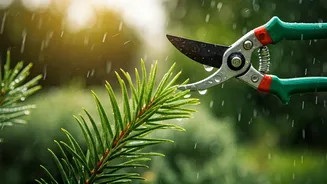
buds lower down on the stem. Now, add rain to the equation. Rain provides the essential ingredient for this new growth: water. A good soak allows the plant to quickly absorb moisture and nutrients from the soil, effectively providing the fuel needed to push out the fresh leaves, stems, and flowers you've just encouraged. Pruning before a rainstorm is like setting the table for a feast. You're preparing the plant to take full advantage of the incoming resources, resulting in a more vigorous and robust response than pruning during a dry spell.
The Science Behind the Snip
To understand why this works, you need to know about a concept called “apical dominance.” The topmost bud on a stem produces hormones (auxins) that flow downward, suppressing the growth of buds below it. This is why many plants tend to grow tall and lanky. When you prune away that top bud, you break the chain of command. The suppressive hormones are gone, and the lower buds are suddenly free to sprout. This is what creates a fuller, bushier plant. Timing this hormonal shift just before a significant rainfall is a masterstroke. The plant is biologically
What to Prune (and What to Skip)
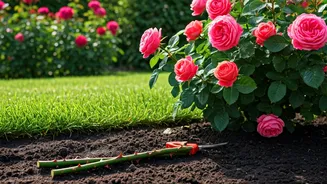
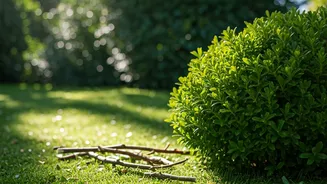
This pre-rain strategy isn't a one-size-fits-all solution. It works best for woody perennials and shrubs that could use some shaping or encouragement to become denser. Think about overgrown hydrangeas (after they've bloomed), leggy rose bushes, boxwoods, or butterfly bushes. It’s also an excellent time to remove any dead, damaged, or diseased wood (the “three D’s” of pruning) from nearly any plant, as the rain will help wash away debris. However, there are exceptions. Avoid major pruning on trees that are prone to fungal diseases like oak wilt, as the combination of an open wound and moisture can be an invitation for infection. Also, be mindful of plants that bloom on old wood, like some varieties of lilacs or forsythia; pruning them at the wrong time means you’ll be cutting off next year’s flowers. And finally, skip the trim on soft-stemmed annuals, which don't respond in the same way and are more susceptible to rot.
The Right Technique Matters
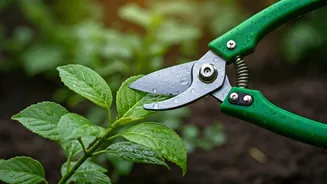
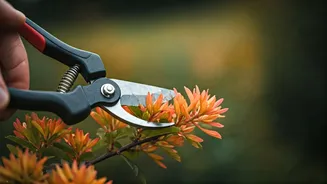
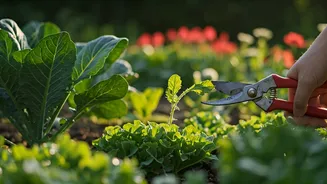
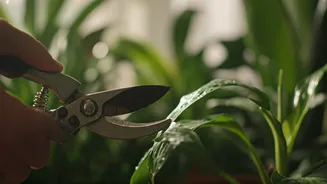
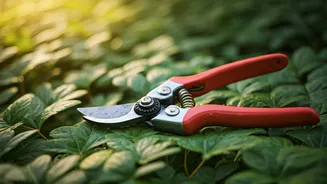
Your good intentions can go wrong without proper technique, potentially introducing disease rather than promoting health. The most critical rule is to use clean, sharp tools. Wipe your pruner blades with a solution of household disinfectant or rubbing alcohol before you start and between cuts, especially if you're removing diseased wood. A sharp blade makes a clean cut that the plant can heal quickly, while a dull blade crushes stem tissue, creating a ragged wound that's more vulnerable to pathogens. When you make your cut, do so at a 45-degree angle about a quarter-inch above an outward-facing bud. The angle helps water run off the surface of the wound, preventing rot, and an outward-facing bud ensures the new growth will extend away from the center of the plant, improving air circulation and creating a more pleasing shape.