

The Ancient Grain Getting a Modern Makeover
When you think of Indian food, your mind might jump to buttery naan, fragrant basmati rice, and rich, creamy curries. But the biggest story in Indian cuisine today isn't about a new spice or a regional dish going national. It's about a humble, prehistoric
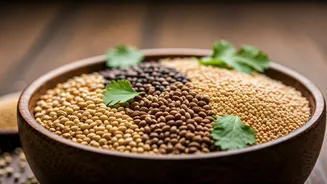
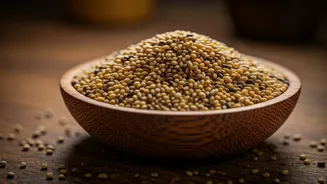
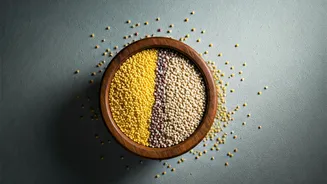
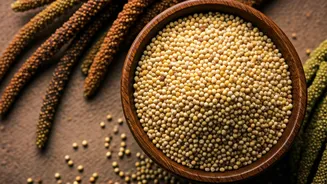
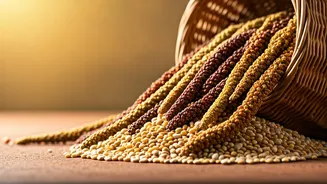
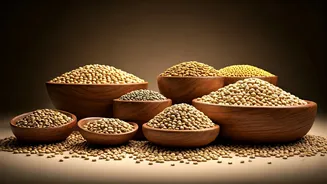
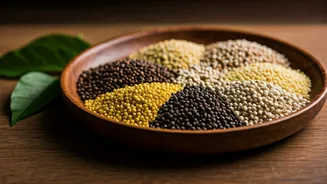
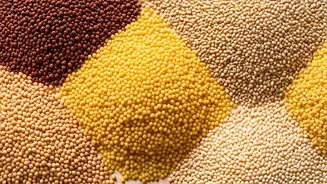
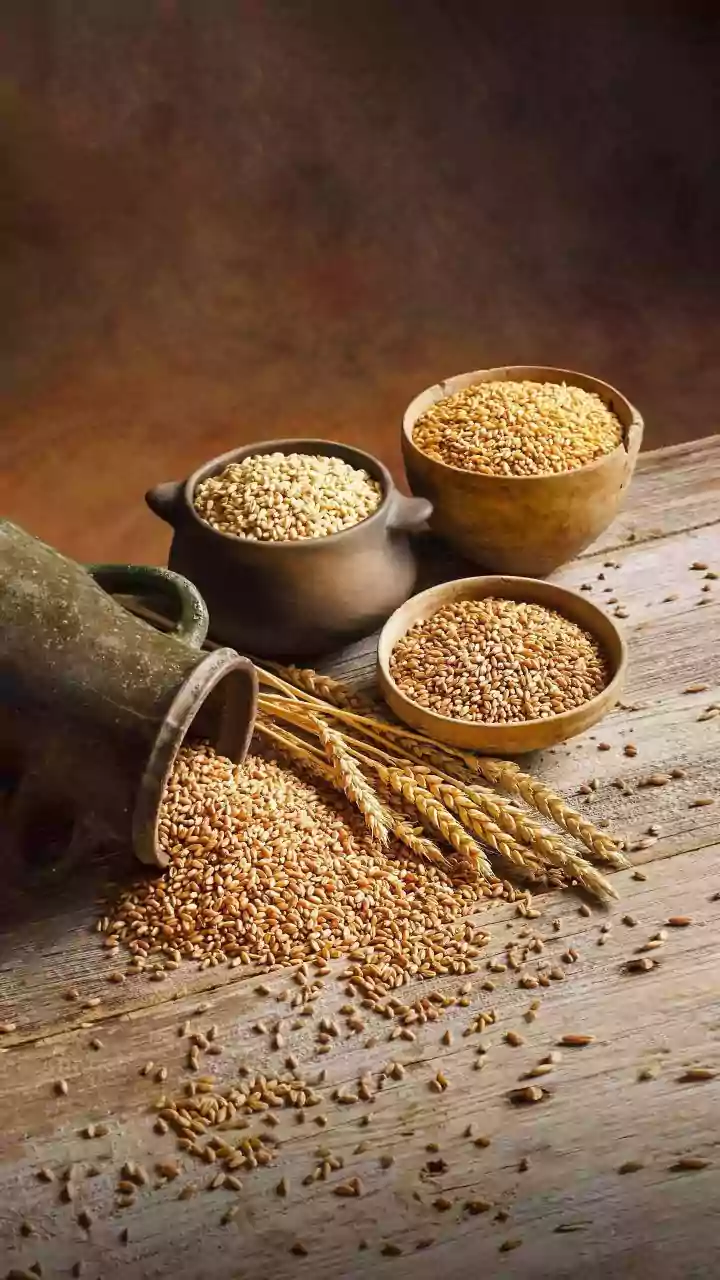
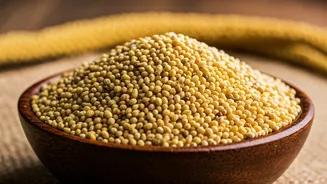
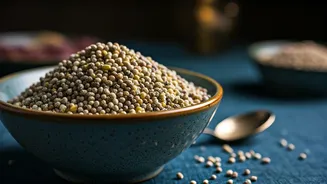
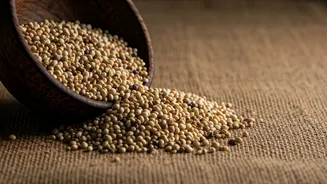
family of grains: millets. This isn't just a niche health-food trend; it's a mainstream culinary shift. From the fine-dining restaurants of Mumbai to the home kitchens of Bangalore, millets are being celebrated, reinvented, and re-embraced. These small-seeded grasses, which include varieties like pearl millet (bajra), finger millet (ragi), and foxtail millet (kangni), were once staples across the subcontinent before being overshadowed by the government-promoted wheat and rice of the Green Revolution. Now, they're back, and they're being hailed as the perfect answer to the modern diner's quest for food that is both delicious and genuinely good for you.
More Than Just a Health Fad
So, why now? The resurgence of millets is being driven by a perfect storm of factors. On the health front, they are a nutritional powerhouse. Naturally gluten-free, high in protein, fiber, and essential minerals like iron and calcium, they tick all the boxes for today's wellness-conscious consumer. They are low on the glycemic index, making them ideal for managing blood sugar—a significant concern in a country grappling with rising rates of diabetes. But this goes far beyond individual health. The Indian government has thrown its full weight behind the trend, successfully lobbying the United Nations to declare 2023 the "International Year of Millets." This isn't just about nutrition; it's about food security and climate resilience. Millets are what are known as "miracle grains" or "crops of the future." They are incredibly hardy, requiring far less water than rice and wheat and capable of thriving in arid, hot climates with poor soil—making them a crucial tool in adapting to a changing climate. For India, promoting millets is a matter of national pride and agricultural wisdom.
From Humble Porridge to Gourmet Pizza
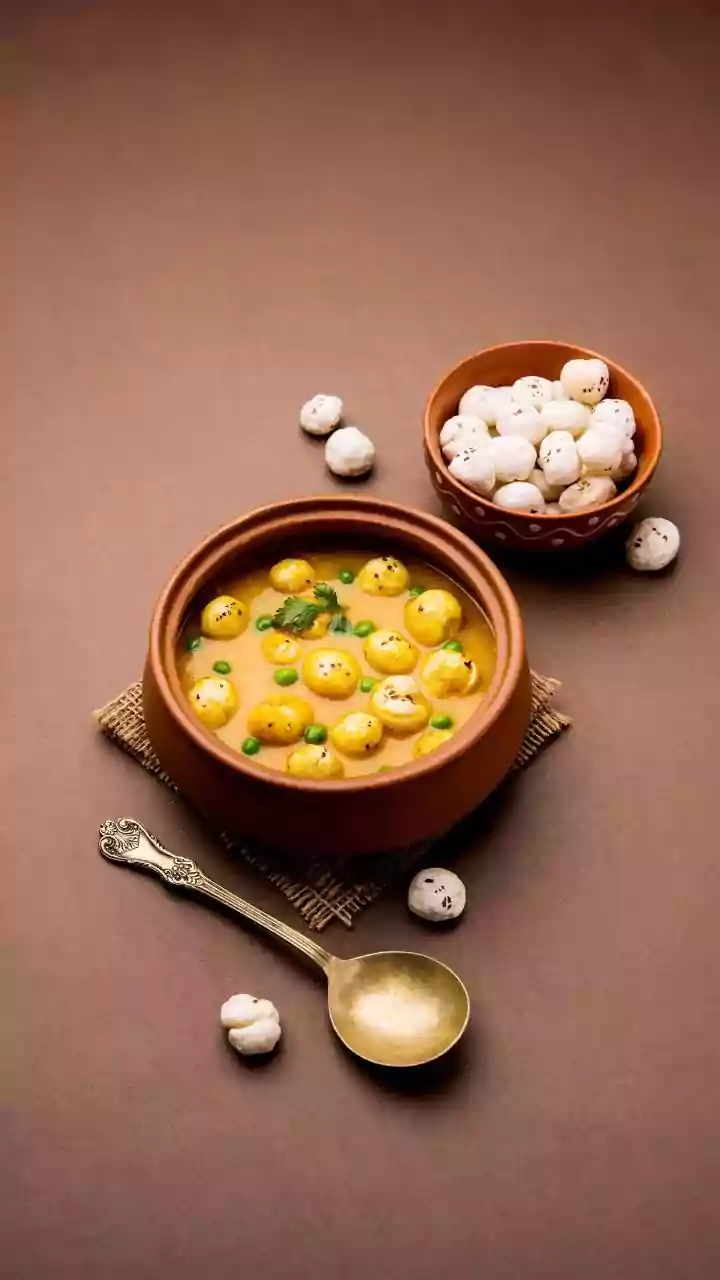
The real magic of this trend lies in its delicious execution. Indian chefs and home cooks aren't just substituting millets into old recipes; they're innovating. The traditional, dense ragi balls (mudde) of Karnataka are still popular, but now you’ll also find ragi being used to make crispy dosas, fluffy pancakes, decadent chocolate cakes, and even crunchy cookie thins. Foxtail millet, with its light, fluffy texture, is replacing rice in pilafs and biryanis. Pearl millet flour is being kneaded into pizza crusts and baked into bread. Start-ups are flooding the market with millet-based pasta, breakfast cereals, and ready-to-eat snacks. This culinary creativity is key to the movement's success. It proves that nutritious food doesn't have to be boring or bland. Instead, millets are introducing new textures and nutty, earthy flavors to the Indian palate, making healthy eating an exciting exploration rather than a chore.
Why This Trend Matters Beyond India
For Americans, this story might sound familiar, echoing the rise of quinoa, farro, and other ancient grains in the U.S. market. And that’s precisely why it matters. The millet revival is a powerful reminder that the solutions to many of our global challenges—from public health to climate change—can often be found in rediscovering agricultural biodiversity. As this trend grows, expect to see millets appear more frequently on menus at modern Indian restaurants in the U.S. and in the aisles of your local grocery store, right next to the quinoa and spelt. They offer a new world of flavors and textures for the adventurous home cook and a potent, sustainable nutritional source. This isn't just India's hot new food trend; it's a glimpse into the future of smart, sustainable, and satisfying eating for everyone.