





More Than Just a Vacation
For an increasing number of urban Indian families, the idea of a vacation is changing. It's no longer about a frantic, jam-packed itinerary or a five-star hotel in a crowded city. Instead, a new travel philosophy is taking hold: slower, greener, and with
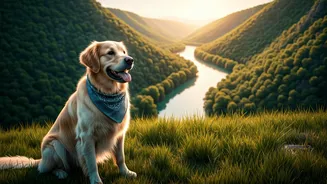
the entire family—including the dog. This isn't just about finding a hotel that tolerates pets; it's about designing the entire holiday around them. These 'paw-cations' prioritize open spaces, nature-centric activities, and a relaxed pace that allows both humans and animals to decompress. Think less sightseeing, more 'strolling.' The destination might be a boutique homestay nestled in the coffee plantations of Coorg, a quiet beach villa in Goa far from the tourist hubs, or a rustic eco-lodge in the foothills of the Himalayas. The goal is a shared experience, a deliberate move away from the consumerism of traditional tourism and toward a more mindful form of escape.
The 'Pet Humanization' Effect
So, what's driving this shift? It's a perfect storm of social and economic factors. First is the global trend of 'pet humanization,' where pets are viewed not as property but as integral members of the family. In India's rapidly expanding middle and upper-middle classes, this sentiment is stronger than ever. For these owners, leaving a 'fur-baby' in a kennel for a week induces the same kind of guilt as leaving a child behind. The COVID-19 pandemic accelerated this bond. Millions of people who adopted pets during lockdown developed deep attachments and are now unwilling to travel without them. Compounding this is a growing awareness of animal welfare and a distrust of crowded, impersonal kennels. As disposable incomes rise, these pet parents are willing to spend more for bespoke, comfortable, and safe travel experiences that cater to their pets' needs, transforming a personal preference into a powerful market force.
From Concrete Jungles to Green Sanctuaries
The contrast between daily life and these holidays is stark. For many of these pet owners living in bustling, space-starved megacities like Mumbai, Delhi, or Bangalore, their apartments offer little room for a dog to truly be a dog. A 'green holiday' is the antidote. It's a chance to escape the concrete, the noise, and the pollution, and let their pets run free in a safe, natural environment. Travelers are seeking out destinations with sprawling gardens, private trekking trails, and access to pet-friendly streams or beaches. The activities are simple and shared: long walks through the countryside, lazy afternoons reading on a veranda with a dog napping nearby, or even farm-to-table dining experiences where the resort uses its own organic produce. This isn't about Instagramming a landmark; it's about capturing the quiet joy of watching your pet experience the freedom of nature, often for the first time.
The Business of 'Paw-sitive' Travel
The Indian hospitality industry, known for its adaptability, has been quick to notice the trend. What was once a tiny niche is now a burgeoning market segment. Boutique hotels and homestays are leading the charge, advertising themselves as 'pet-friendly' not just as a policy but as a core part of their identity. They offer amenities like special pet beds, dedicated food menus, and designated play areas. Some even provide pet-sitting services so human guests can enjoy a few hours to themselves. Travel startups are emerging that specialize exclusively in curating pet-centric itineraries, handling all the logistics from transportation to booking verified pet-safe accommodations. This shift is forcing larger, more traditional hotel chains to reconsider their rigid 'no pets' policies. The message from consumers is clear: if you want our business, you need to welcome our whole family.