



The Quest for Predictable Bites
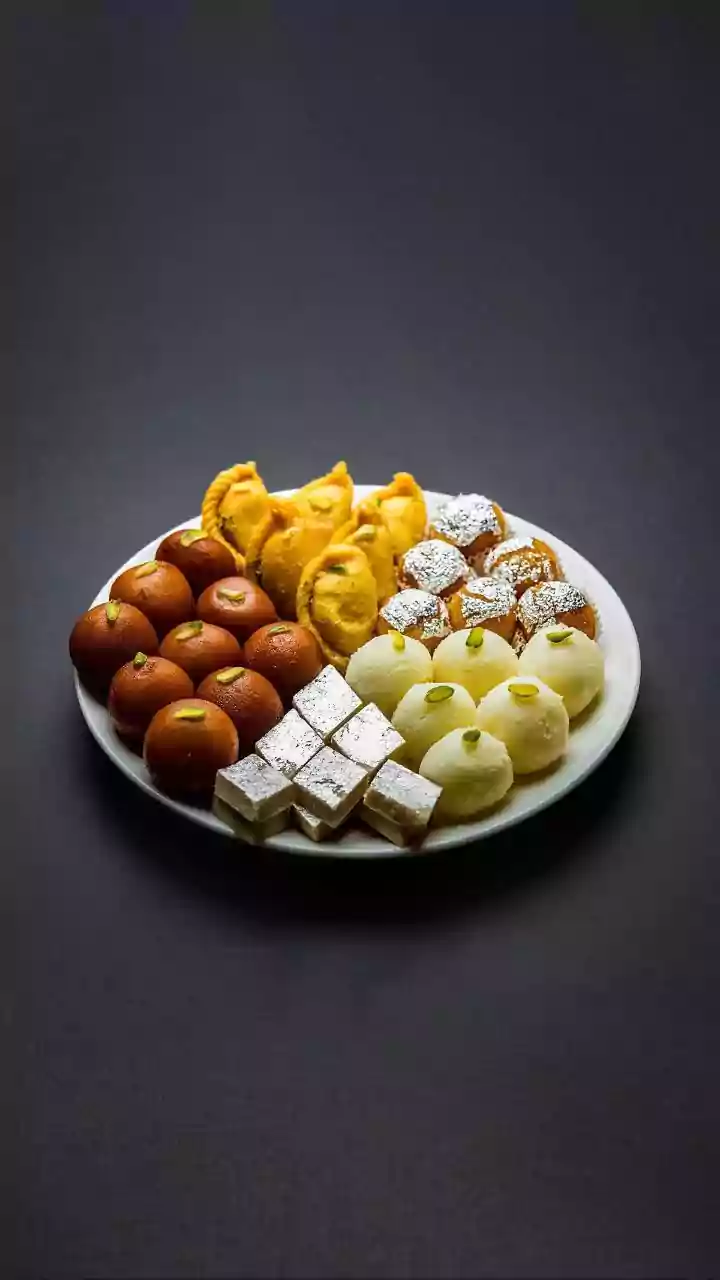
For generations, the joy of Indian food, especially on the street, was its beautiful chaos. The spice level of your favorite pav bhaji might vary depending on the vendor’s mood, and the crispiness of a dosa was an art, not a science. It was delicious,
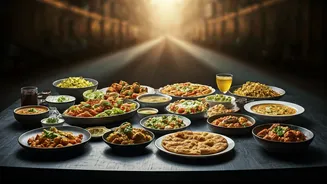
but unpredictable. For India's massive youth population—hundreds of millions of millennials and Gen Z—that variability is becoming less of a charm and more of a bug. 'Food that behaves' is shorthand for a new set of values: consistency, hygiene, and reliability. It means knowing the biryani you order through an app today will taste exactly the same as the one you ordered last week. It means seeing a hygiene rating on the restaurant door, trusting the ingredients are safe, and paying a price that’s listed clearly on a menu, not haggled over. This isn't a rejection of flavor; it's a demand for a trustworthy experience, much like an American consumer expects the same grande latte from a Starbucks in Seattle or Miami.
A Generation Fueled by Apps and Aspirations
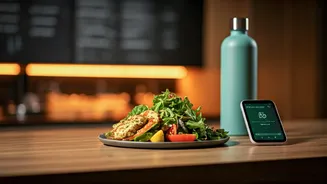
This shift is being driven by a perfect storm of social and economic forces. Rapid urbanization has pulled millions of young people away from the comfort of home-cooked meals into fast-paced city lives. With rising disposable incomes, they have the money to eat out, but not the time for leisurely, elaborate dining. Enter the smartphone. Food delivery platforms like Zomato and Swiggy have become central to daily life, turning the restaurant industry into an on-demand service. On these apps, user ratings and standardized menus reign supreme. A restaurant with inconsistent quality or service is quickly downvoted into oblivion. Young Indians, raised on global media and the seamless interfaces of Netflix and Amazon, have come to expect the same level of frictionless, predictable service from their lunch. It’s less about the food itself and more about the entire, streamlined consumption experience.
From Global Giants to Local Kings
Naturally, international fast-food giants like McDonald’s, Domino’s, and Pizza Hut were the first to capitalize on this desire for consistency. They offered air-conditioned escapes, clean bathrooms, and a menu that was the same everywhere. But the real story is the explosion of domestic 'Quick Service Restaurant' (QSR) chains that are applying the same model to beloved Indian dishes. Companies like Behrouz Biryani, which operates a network of 'cloud kitchens' dedicated solely to delivery, promise a standardized, regal biryani experience every time. Wow! Momo has turned a Himalayan street snack into a nationwide chain. Chains like Chai Point and Chaayos are doing for masala chai what Starbucks did for coffee: creating a consistent, branded, and slightly premium version of a daily staple. These local kings are winning by offering the comfort of familiar flavors packaged in the modern, reliable format that young consumers crave.
Is Authenticity Being Redefined?
The rise of 'behaving' food inevitably raises questions about authenticity. Are these standardized chains killing the soul of Indian cuisine, which has always been hyper-local and gloriously diverse? The answer is complicated. For many older Indians, authenticity lies in family recipes and the unique touch of a neighborhood cook. But for a 22-year-old software engineer in Bangalore, authenticity might also be found in a clean, well-lit cafe where they can meet friends, use the Wi-Fi, and enjoy a perfectly good dosa without worrying about hygiene. The experience itself has become part of the meal's value. The 'authentic' experience is no longer just about a dish's historical purity; it's about how it fits into a modern, aspirational lifestyle. This isn't about replacing tradition, but expanding the definition of what a good meal can be.