







Beyond Butter Chicken and Dal Makhani
For generations, the food scene in Delhi and its surrounding National Capital Region (NCR) has been dominated by two culinary giants: Mughlai and Punjabi cuisine. This is the heartland of butter chicken, dal makhani, and tandoori everything—dishes known
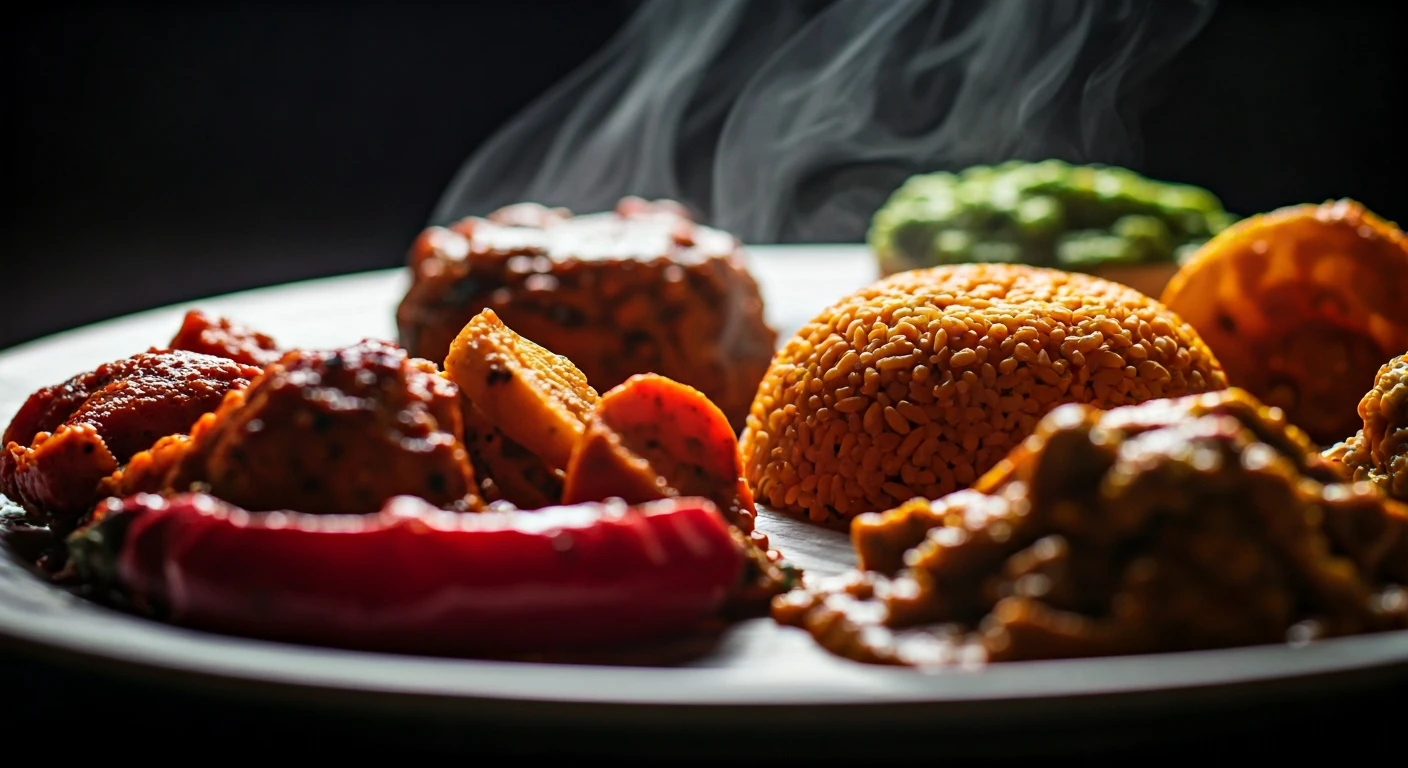
for their robust, complex flavors, often rich with cream, ghee, and warming spices. It's comfort food perfected, a culinary identity forged in the subcontinent's tumultuous history and agricultural bounty. This is the food of long family dinners, grand celebrations, and chilly winter nights. It’s hearty, satisfying, and deeply woven into the cultural fabric of North India. For years, any new restaurant opening was a variation on this theme. But the city's palate, much like its skyline, is rapidly evolving.
So, What Is 'Tropical Vegetarian'?
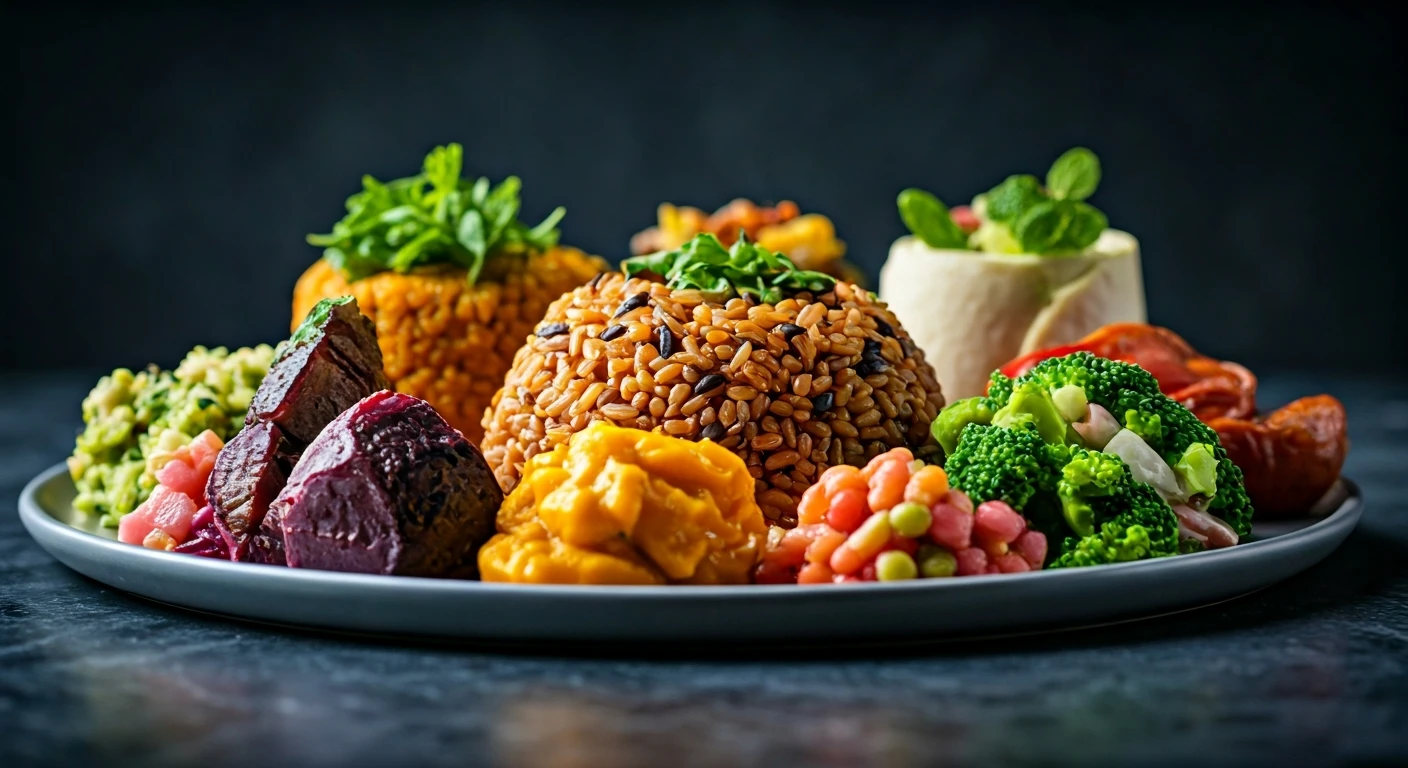
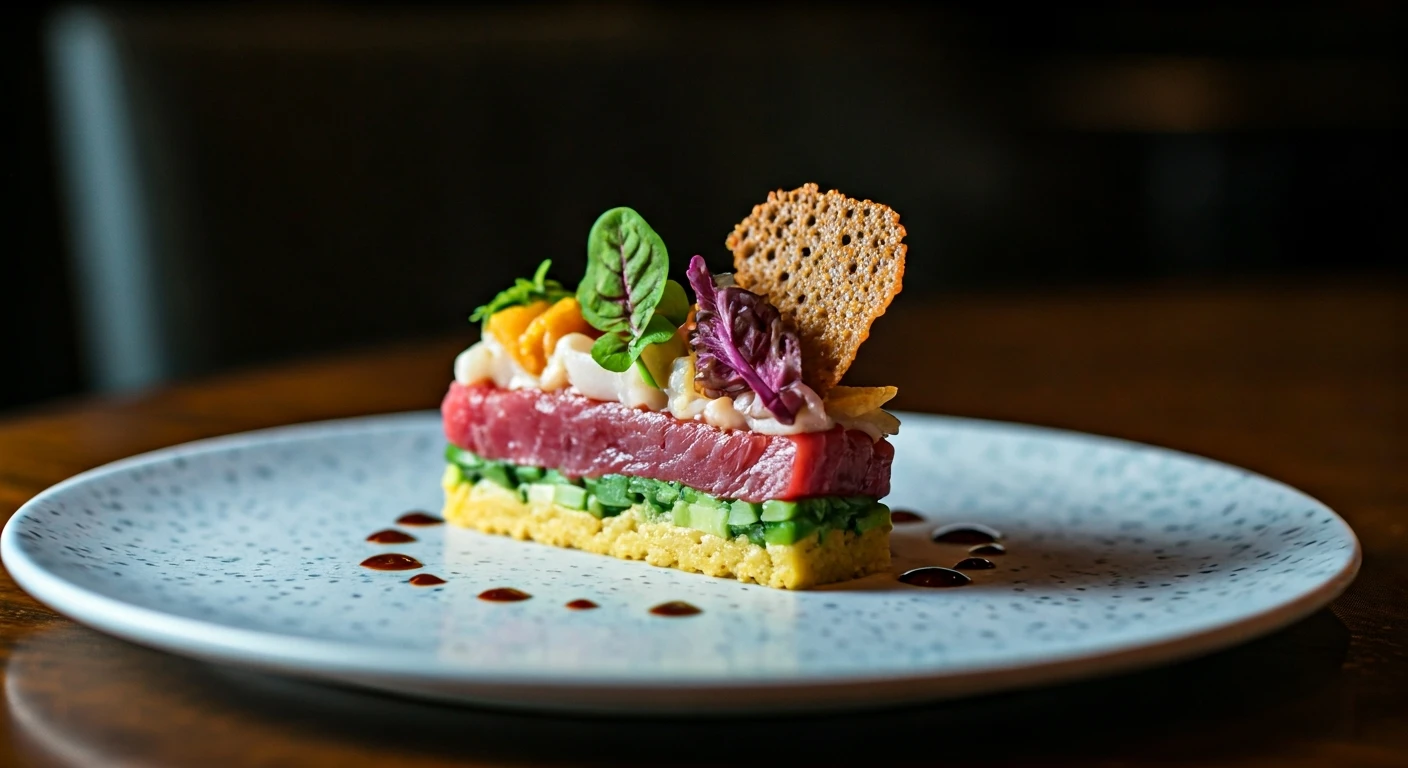
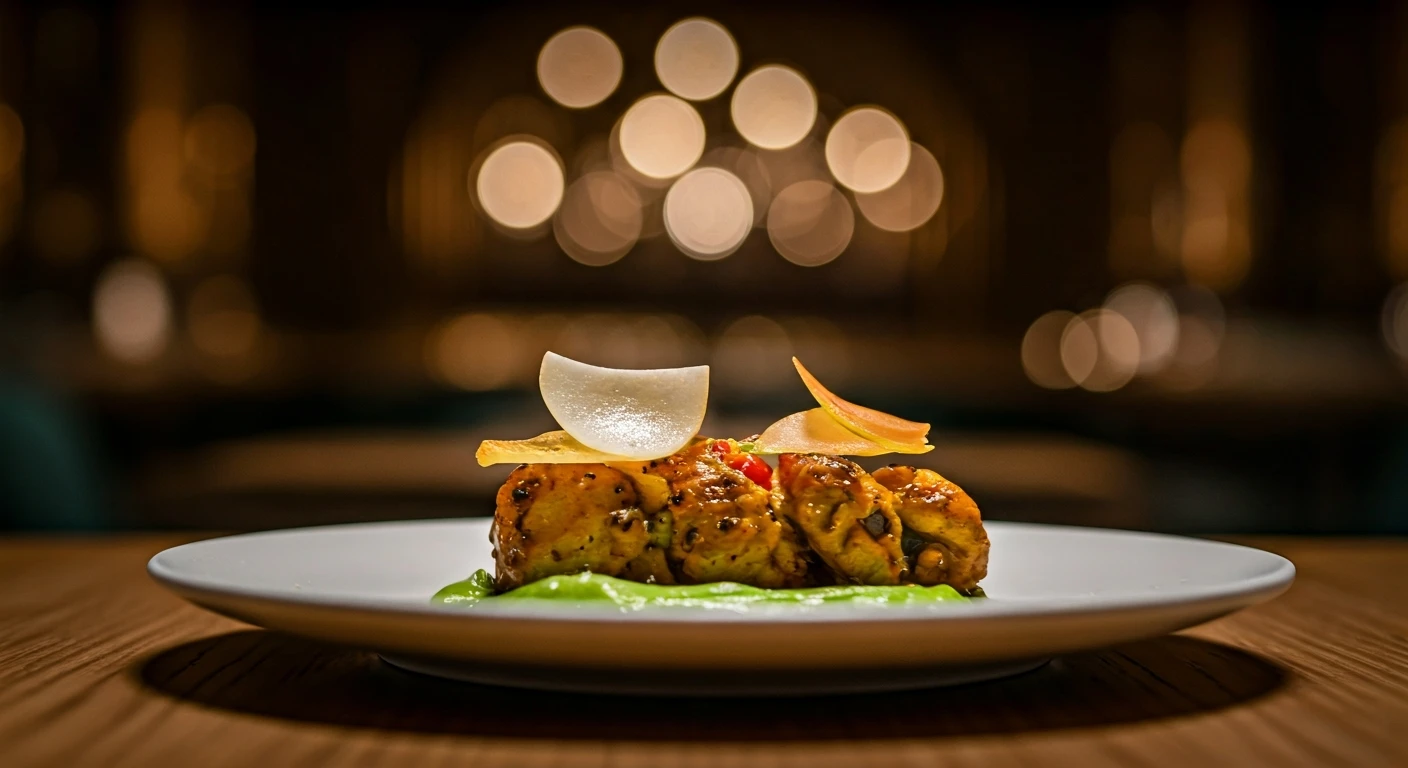
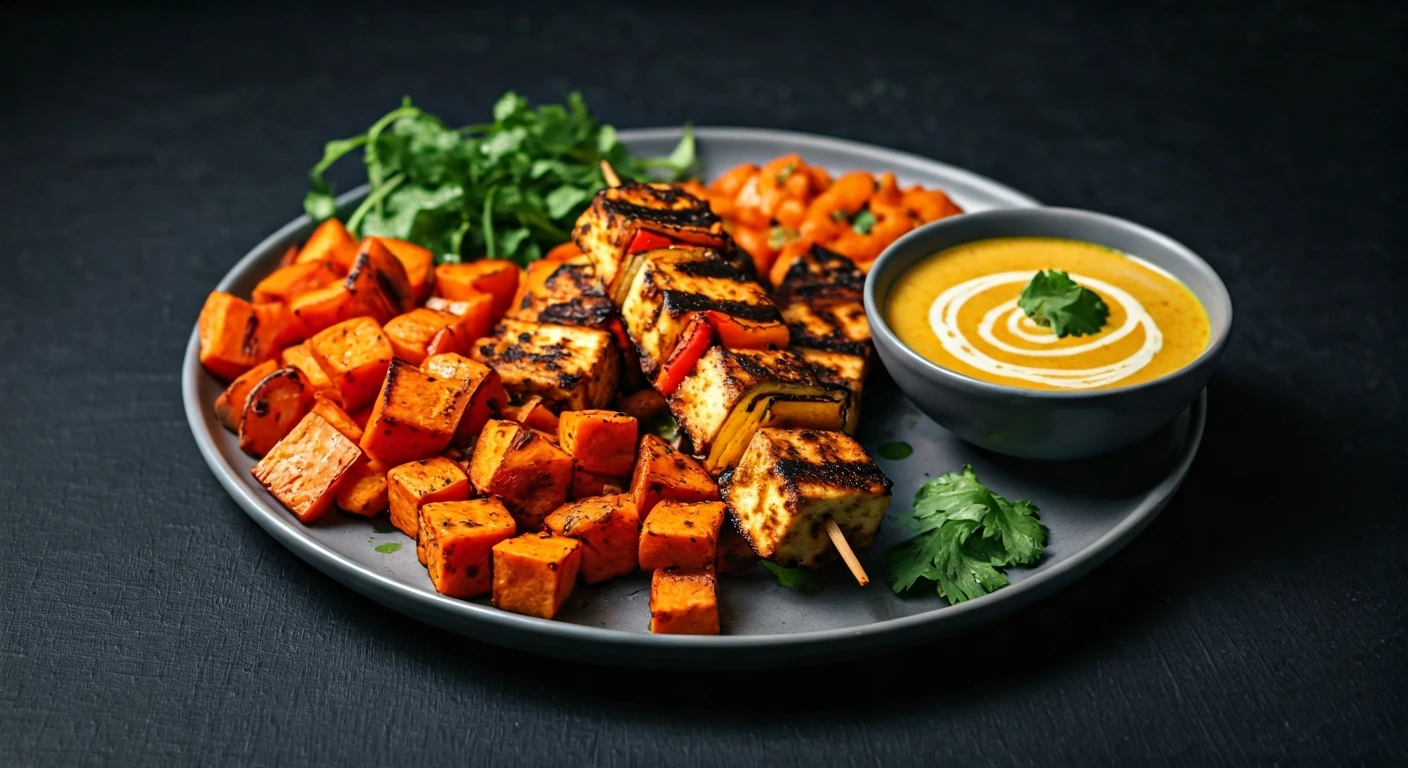
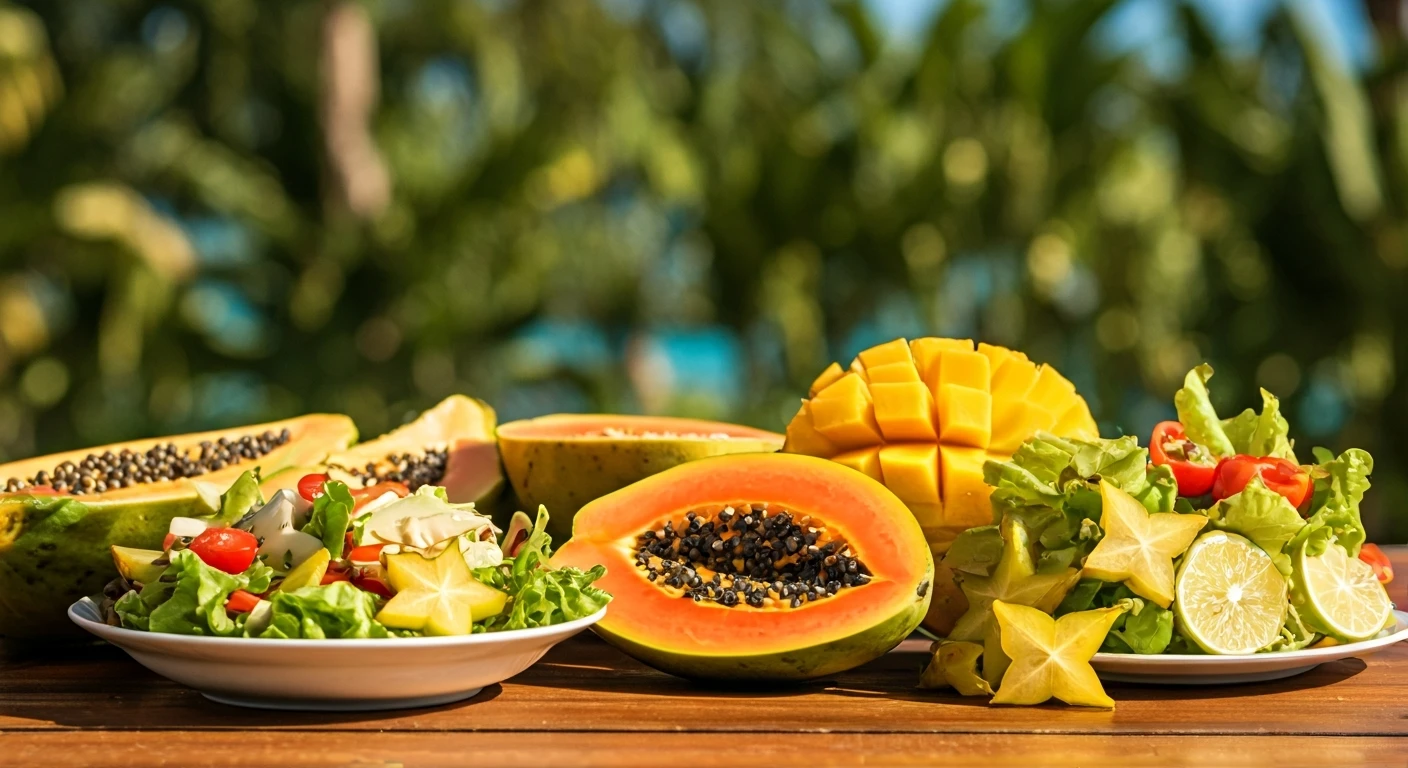
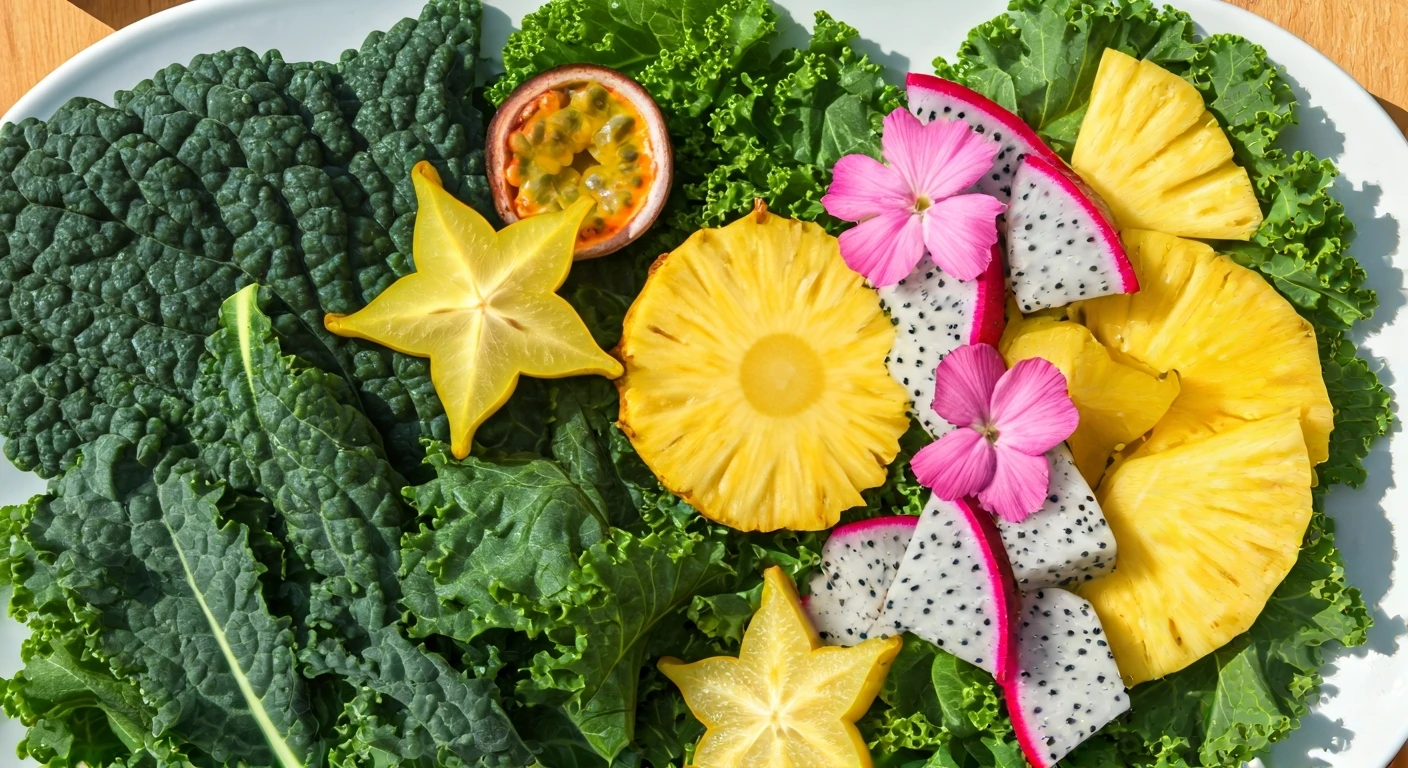
Forget what you think you know. This new wave isn't about simply adding pineapple to a dish. It’s a complete reimagining of the dining experience, drawing inspiration from Southeast Asia, the Caribbean, and India's own coastal regions. Menus are suddenly flush with ingredients once considered exotic in the landlocked capital. Think jackfruit tacos replacing spiced lamb, coconut and galangal-infused broths instead of heavy lentil stews, and vibrant salads featuring pomelo, raw mango, and avocado. Restaurants are embracing a plant-forward philosophy that feels more at home in Bali or Tulum than in Gurgaon. The aesthetic is as important as the taste. Dining spaces are transformed into lush, green oases filled with rattan furniture, bamboo accents, and an abundance of natural light—the perfect, Instagram-ready backdrop for a plate of colorful summer rolls or a passionfruit smoothie bowl.
The Drivers of a Culinary Revolution
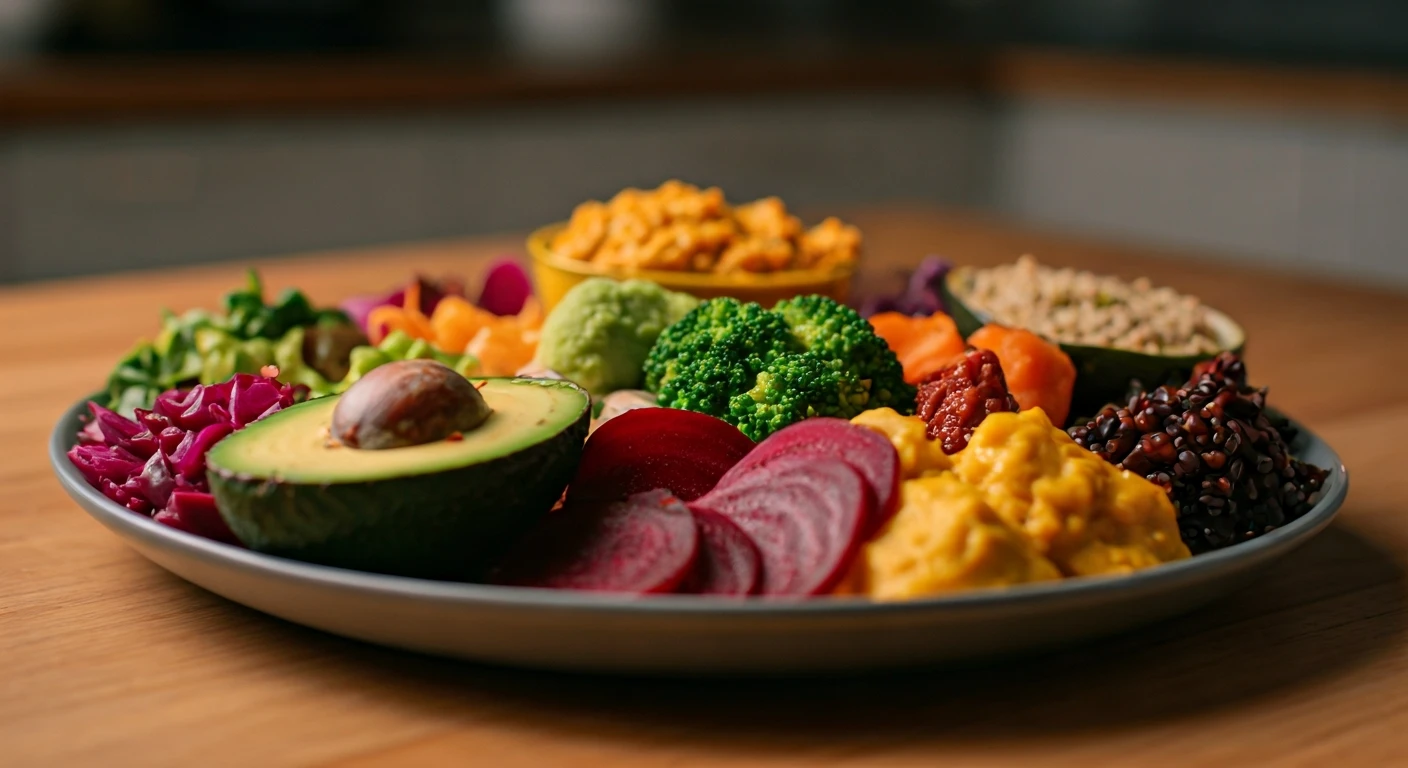
This isn't happening in a vacuum. Several factors are fueling Delhi's tropical turn. First, there's a growing, globally-aware middle and upper class. Younger Indians have traveled more, studied abroad, and been exposed to global food trends through social media. They're demanding more diverse and sophisticated dining options. Second, a post-pandemic wellness boom has shifted preferences toward lighter, healthier, and plant-based meals. The idea of a heavy, food-coma-inducing lunch is less appealing to a generation focused on fitness and clean eating. Restaurateurs have responded, realizing that a menu centered on fresh produce, vibrant flavors, and minimal processing is not only healthier but also a powerful market differentiator. Finally, there's the simple power of novelty. In a crowded market, offering something genuinely new and exciting—a mini-vacation on a plate—is a surefire way to capture the city's imagination.
An Expansion, Not a Replacement
To be clear, the legendary institutions serving classic North Indian fare aren't going anywhere. You can still find the best chole bhature of your life in a crowded Old Delhi lane. But this trend signals a maturation of Delhi's palate. The city is no longer just a stronghold of regional Indian food; it's becoming a truly global culinary capital, capable of absorbing and reinterpreting international trends. This new tropical vegetarian movement exists alongside the classics, offering diners a choice they never had before. It shows a city confident enough in its own culinary identity to experiment and play. On any given night, a family might be celebrating with a traditional Mughlai feast in one part of town, while a group of young professionals sips on coconut water and shares plates of Vietnamese-inspired tapas in another. This coexistence is the new face of modern India.