






The Secret in the Garden: Native Planting
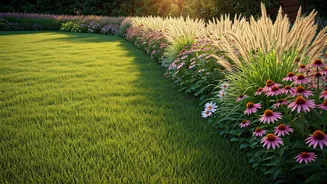
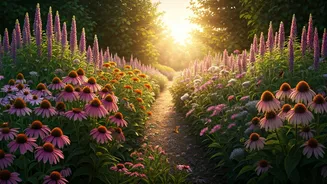
The trend isn’t a high-tech gadget or a massive government program. It’s a grassroots movement back to basics: planting native. More and more Americans are ditching manicured, uniform lawns in favor of gardens filled with the native plants that grew in their
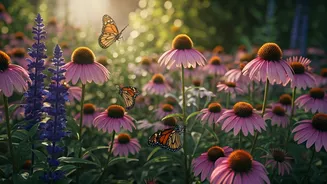
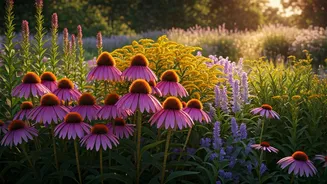
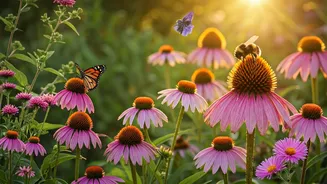
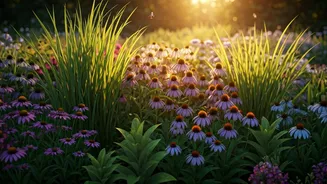
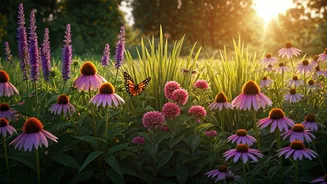
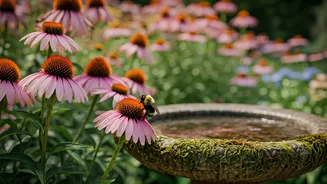
region for millennia. This shift, often called 'rewilding' on a small scale, is a direct response to habitat loss that has decimated pollinator populations. Instead of purely ornamental flowers from far-flung places, gardeners are choosing coneflowers, black-eyed Susans, and, most importantly for one specific, iconic butterfly, a once-maligned 'weed' that is crucial for its survival.
Milkweed: A Monarch's Only Hope
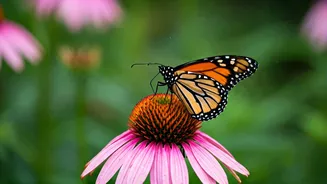
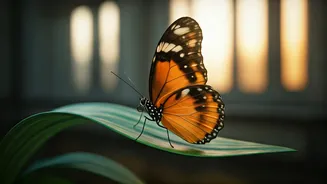
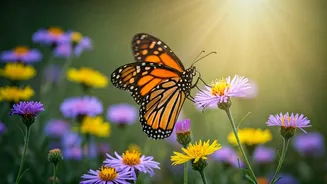
For the monarch butterfly, the trend is even more specific: planting milkweed. Monarchs are specialists, meaning their caterpillars can only eat one thing: milkweed leaves. No milkweed, no monarchs. It's that simple. For decades, the plant was cleared from agricultural fields and suburban landscapes, where it was seen as undesirable. This eradication of the monarch’s only nursery directly contributed to its catastrophic population decline—down over 90% since the 1990s in some estimates. The 'trend' helping them return is a nationwide effort by citizen scientists and everyday gardeners to plant milkweed corridors. These patches, whether in a tiny urban planter or a sprawling suburban yard, create vital rest stops and nurseries for migrating monarchs on their epic, multi-generational journey from Mexico to Canada and back.
Why They Vanished in the First Place
The problem wasn't just a lack of milkweed. Butterflies, bees, and other pollinators face a triple threat: habitat loss, pesticide use, and climate change. As farmland expanded and suburbs sprawled, the wildflower meadows and prairies they relied on were paved over or converted to monoculture crops. The widespread use of herbicides in agriculture and neonicotinoid pesticides in commercial nurseries created toxic environments. These chemicals can be lethal to caterpillars and can disorient adult butterflies, disrupting their ability to navigate and find food. While planting milkweed is a critical first step, the broader movement toward native gardening addresses the entire ecosystem, providing nectar for adult butterflies of all species and restoring a healthier, more resilient local food web without the need for intensive chemical use.
How You Can Join the Movement
You don't need a huge yard or a green thumb to make a difference. The power of this movement lies in collective action, with thousands of small patches adding up to a national recovery network. First, identify your region's native milkweed species; organizations like the Xerces Society have guides to help you find the right type for your area (avoiding tropical milkweed is often recommended, as it can disrupt migration patterns). Second, add other native, nectar-rich flowers that bloom at different times, from spring to fall. This provides a consistent food source for adult butterflies. Look for plants like asters, bee balm, and goldenrod. Finally, commit to going pesticide-free. A healthy garden is a living ecosystem with good bugs and bad bugs. Allowing nature to find its own balance is the most sustainable way to support pollinators. Even a single pot with a native plant on a city balcony can serve as a crucial refueling station for a migrating monarch.