







The Problem of 'Wet Feet'
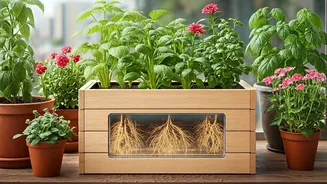
Plants need water, but they also need to breathe. The fine, hair-like roots that absorb most of a plant’s nutrients require oxygen from tiny air pockets in the soil. When heavy rain saturates the ground, these pockets fill with water. If the soil is dense
or compacted, like heavy clay, that water has nowhere to go. It sits, suffocating the roots in a condition gardeners call “wet feet.” This environment is a breeding ground for fungal diseases like root rot, which can quickly turn a thriving vegetable patch or flower bed into a yellowed, wilting tragedy. Even a few days of waterlogged soil can cause irreversible damage, stressing the plant and stunting its growth for the rest of the season.
How Raised Beds Elevate Your Garden
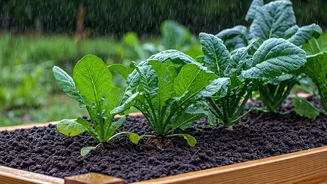
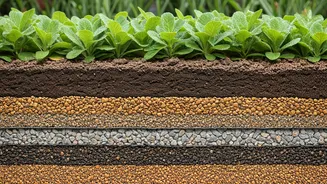
A raised bed is, in essence, a large container with no bottom. It acts like an elevator for your garden’s root zone, lifting it 8, 12, or even 24 inches above the native soil. This simple elevation is the key to conquering drainage problems. When rain falls, gravity pulls the excess water down and out of the raised bed’s soil mix, allowing it to drain into the ground below. The bed itself never becomes a swamp. Your plants’ roots remain in the upper layer of aerated, damp-but-not-soggy soil where they can continue to access both water and oxygen. This physical separation from the saturated ground below is what makes raised beds such a powerful tool against the unpredictability of a rainy season.
The Magic Is in the Mix
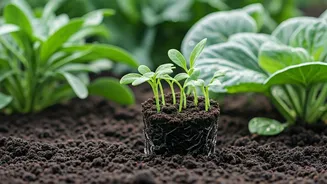
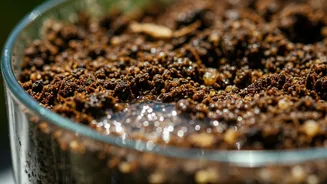
Simply building a frame and filling it with heavy topsoil from your yard won’t solve the problem. The true power of a raised bed comes from creating a custom soil blend designed for perfect drainage and fertility. This is your chance to build the ideal growing medium from scratch. A classic and effective recipe is the “thirds” mix: one-third high-quality compost for nutrients, one-third peat moss or coconut coir for moisture retention, and one-third coarse vermiculite or perlite for aeration. This blend creates a soil that is light, fluffy, and resistant to compaction. It holds enough moisture to keep plants happy but allows excess water to drain away freely, preventing the conditions that lead to root rot. You are no longer fighting against your native soil; you are creating a perfect, controlled environment.
Beyond Drainage: The Bonus Benefits
While superior drainage is the main attraction during a wet year, raised beds offer a host of other advantages. The custom soil mix means you have complete control over pH and nutrients, allowing you to tailor the environment for specific plants, from acid-loving blueberries to alkaline-happy lavender. Because the soil warms up faster in the spring than ground-level soil, you can often plant earlier and extend your growing season. The defined edges also prevent soil compaction from foot traffic and create a barrier against creeping weeds and lawn grass. And for many gardeners, the simple ergonomic benefit of not having to bend over as far makes weeding, planting, and harvesting a much more enjoyable, back-friendly experience.
Quick-Start Considerations
Getting started is straightforward. Choose a material for your frame—rot-resistant wood like cedar is a classic, but galvanized steel, stone, or recycled composite materials also work well. Aim for a depth of at least 8 to 12 inches to give most plant roots ample room to grow. The width should be no more than four feet, allowing you to comfortably reach the center from either side without stepping on the soil. Before filling, consider lining the bottom with a layer of cardboard; this will suppress weeds from below and will eventually decompose, adding organic matter to the soil. Place your bed in a location that receives at least six hours of direct sunlight per day for most vegetables and flowers.