





What is a Festival of the Earth?
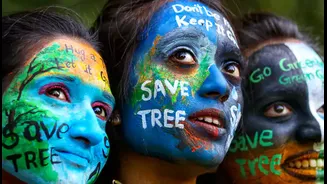
In a world saturated with grim climate headlines, Bhoomi Habba stands apart. Held on the outskirts of Bengaluru, India, its name translates to “Earth Festival.” Hosted by the social justice organization Visthar, it’s an annual event that reframes environmentalism
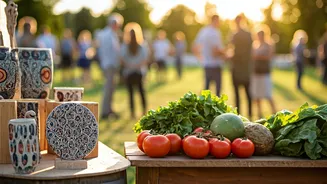
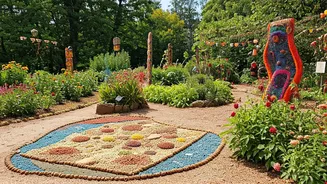
not as a series of sacrifices, but as a vibrant celebration of sustainable living. Forget PowerPoint presentations on carbon credits and melting ice caps. Here, the focus is on pottery workshops, folk music performances, stalls selling organic produce, and artisans demonstrating traditional crafts. It’s a sensory experience designed to connect people to the planet and each other, replacing the paralysis of climate anxiety with the energy of a bustling community fair.
The Antidote to Eco-Anxiety
The feeling of “eco-anxiety” or “climate doom” is a well-documented phenomenon in the U.S. and beyond. It’s the crushing weight of a global problem that feels too big to solve, leading to burnout and disengagement. Bhoomi Habba acts as an antidote by making the solutions tangible, local, and joyful. Instead of just talking about reducing waste, visitors learn to make compost. Instead of lamenting industrial agriculture, they meet the farmers growing their food sustainably. The festival’s power lies in its scale. It addresses global issues through local, human-sized actions. By participating in a seed-saving workshop or buying a handcrafted toy, attendees are not just consumers; they become active participants in a positive, alternative economy. This active, hands-on engagement fosters a sense of agency that simply reading another alarming study can never provide.
Choosing Celebration Over Scolding
So much of environmental messaging is framed around guilt and restriction: use less, fly less, eat differently. While well-intentioned, this approach can feel punitive and alienating. Bhoomi Habba flips the script. The festival’s atmosphere is one of abundance, not scarcity. The focus is on the richness of traditionally grown foods, the beauty of handmade textiles, and the pleasure of shared experience. Art and culture are not afterthoughts; they are central to the mission. Street plays tackle environmental themes with humor, and musicians use traditional instruments to sing about nature. This transforms the message from a lecture into an invitation. It suggests that a sustainable life isn't about giving things up, but about gaining a deeper connection to culture, community, and the things we consume. It’s a pull, not a push, toward a better way of living.
A Blueprint for American Communities?
While Bhoomi Habba is deeply rooted in its South Indian context, its core philosophy is universally applicable. Communities across the United States are already experimenting with similar ideas, even if they don't call it a “Habba.” Think of the explosion of local farmers' markets that are as much a social hub as a place to buy kale. Consider the rise of repair cafes, where neighbors teach each other to fix broken appliances instead of throwing them away. These are the seeds of the same idea: that building a more sustainable world starts with strengthening local communities and rediscovering practical skills. The lesson from Bhoomi Habba isn’t to replicate its specific activities, but to embrace its spirit. The key is to create spaces where positive action is celebrated, where knowledge is shared generously, and where joy is seen as a vital component of resilience.