




A Journey to the Roof of the World
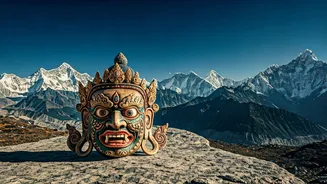
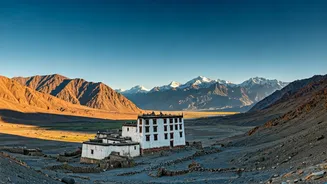
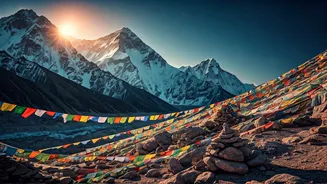
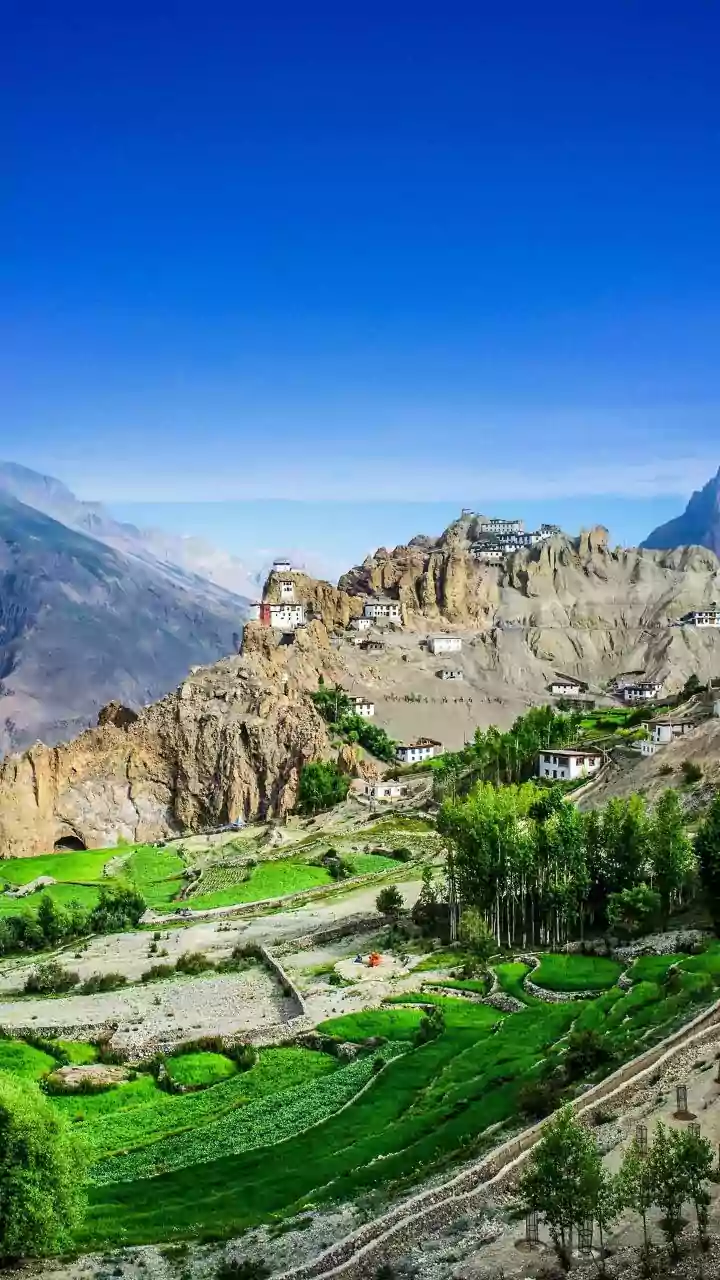
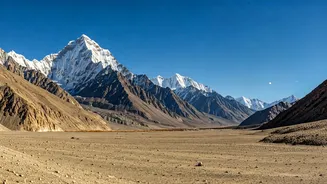
Before you can witness the Hemis festival, you must first conquer the journey to it. Nestled in the Indian Himalayas, Ladakh is a high-altitude desert often called “Little Tibet.” Reaching the Hemis Monastery, the site of the celebration, involves acclimatizing
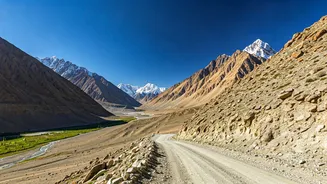
to an elevation that leaves many travelers breathless in more ways than one. The landscape is a breathtaking panorama of barren mountains, deep blue skies, and winding roads that cling to cliffsides. This initial physical challenge is not just a logistical hurdle; it’s an integral part of the pilgrimage. It strips away the trivialities of modern life, preparing visitors for an experience that demands presence and respect. For the Ladakhi people, this environment isn't an obstacle; it's the very fabric of their resilient, faith-driven existence.
The Monastery Awakens
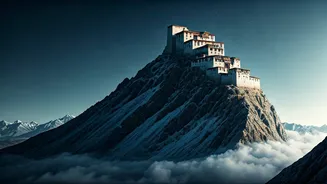
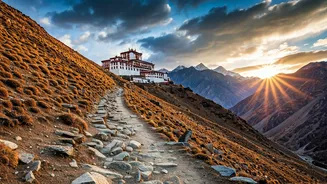
For most of the year, Hemis Gompa—the largest and wealthiest monastery in Ladakh—is a serene bastion of Buddhist learning. But for two days each summer, typically in June or July, its quiet courtyards explode with color, sound, and devotion. The Hemis festival commemorates the birth anniversary of Guru Padmasambhava, also known as Guru Rinpoche, the 8th-century sage credited with establishing Tibetan Buddhism. He is revered as the “Second Buddha,” and this celebration is the most important date on the Ladakhi calendar. Pilgrims from across the Himalayan region, some walking for days, converge on the monastery, their vibrant traditional dress a stark contrast to the ochre and white of the ancient stone walls.
The Sacred Dance of Good and Evil
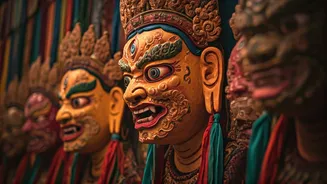
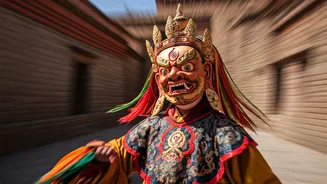
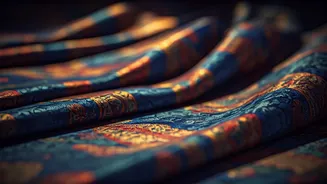
The heart of the festival is the *chaam*, a series of sacred masked dances performed by the monastery’s monks. The courtyard transforms into a stage for a cosmic drama. To the hypnotic rhythm of cymbals, long horns (dungchen), and drums, dancers emerge in elaborate silk brocade costumes and intricate, often fearsome, masks. Each mask represents a specific deity, demon, or protector from the Buddhist pantheon. These are not mere performances; they are profound religious rituals. The dances depict the triumph of good over evil, purifying the grounds and protecting the people from misfortune. The slow, deliberate movements and dramatic turns are a form of moving meditation, intended to impart spiritual blessings on all who witness them.
A Glimpse of the Divine
While the masked dances are an annual spectacle, the festival reaches its spiritual apex once every 12 years, a cycle dictated by the Tibetan calendar. In these special years, the monastery unveils its most precious treasure: a gigantic, two-story-high silk tapestry, or *thangka*, depicting Guru Padmasambhava. As the massive scroll is slowly unfurled down the monastery wall, a wave of awe and reverence washes over the crowd. For believers, simply laying eyes on this sacred artifact is said to cleanse the soul and plant the seed of enlightenment. The brief moments it is displayed are filled with prayer, chanting, and offerings, a powerful demonstration of collective faith that transcends time.