







The Great Breakfast Breakup
For decades, the American breakfast was a carb-heavy affair. Cereal, bagels, muffins, and pastries were quick, easy, and comforting. But they all share a common, unfortunate trait: they often lead to a blood sugar spike followed by a dispiriting crash.
That 10 a.m. feeling of brain fog, fatigue, and a sudden craving for a snack isn't a personal failing; it's a predictable biological response to a meal low in protein and fiber. We’re finally breaking up with the sugar rush. More and more people are realizing that what they eat to start their day has a profound impact on their energy, mood, and productivity for hours to come. This isn't just about weight loss or muscle building; it's about functional eating—choosing foods that help you feel and perform your best.
The Science of Feeling Full
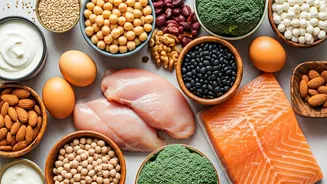
So, why protein? The answer lies in the science of satiety—the feeling of being full and satisfied. Of the three main macronutrients (protein, carbs, and fats), protein is widely considered the most satiating. It takes longer for your body to digest, which means it stays in your stomach longer, sending signals to your brain that you're full. Protein also helps stabilize blood sugar levels, preventing the dramatic peaks and valleys that cause energy slumps and cravings. Starting your day with a significant dose of protein (aiming for 20-30 grams is a common recommendation) sets a metabolic tone for the rest of the day, helping regulate appetite and reduce the impulse to graze on less-than-ideal snacks before lunch.
The Rise of the Savory Bowl
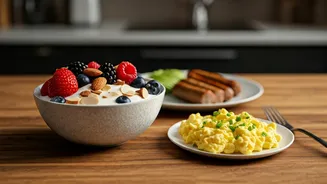
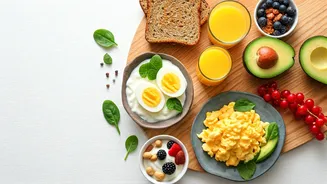
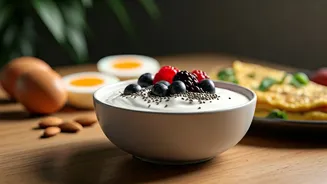
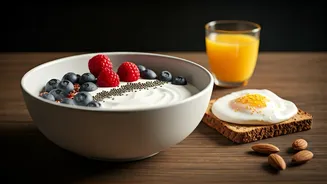
When you think protein, eggs and bacon might come to mind first. But the new protein breakfast movement is far more creative. The undisputed star of the moment is cottage cheese. Once relegated to the diet plates of the 1980s, it’s been reborn as a versatile base for savory breakfast bowls. Think cottage cheese topped with sliced avocado, everything bagel seasoning, and a drizzle of hot honey. Greek yogurt is another powerhouse, often served with chickpeas, cucumbers, and dill for a refreshing, Mediterranean-inspired start. For plant-based eaters, the tofu scramble has been upgraded from a niche vegan option to a mainstream staple, seasoned with nutritional yeast and turmeric to mimic the flavor and color of eggs.
Liquid Gold: Upgraded Morning Drinks
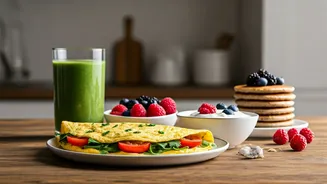
Not everyone has the time or inclination for a sit-down meal. That's where high-protein liquids are changing the game. The most viral trend is 'proffee'—protein coffee. It’s a simple concept: mixing a scoop of flavorless or vanilla-flavored protein powder or a ready-to-drink protein shake into your morning cup of joe. It turns a simple caffeine delivery system into a complete mini-meal that can keep you full through a morning of meetings. Beyond coffee, smoothies remain a popular choice, but the formula has shifted. Instead of being fruit-heavy sugar bombs, modern protein smoothies are packed with Greek yogurt, silken tofu, hemp seeds, or protein powder, balanced with leafy greens like spinach and a smaller amount of low-sugar fruit like berries.
Reinventing Old Favorites
You don't have to give up your favorite breakfast foods to join the protein party; you just have to give them an upgrade. Oatmeal, a classic healthy breakfast, is easily boosted. Instead of just adding brown sugar, try stirring in a scoop of protein powder toward the end of cooking (to avoid clumping), a tablespoon of chia seeds or flax seeds, and a hefty dollop of nut butter. Making pancakes or waffles? There are countless recipes that swap some of the flour for protein powder, or even use blended cottage cheese or Greek yogurt in the batter for a richer, more satisfying texture. It's about fortification, not deprivation.