
The Age of the ‘Safe’ Menu
For a long time, the story of many immigrant-run restaurants in the U.S. was one of survival through assimilation. For the first wave of Indian restaurateurs, this often meant curating a menu that wouldn’t scare off American palates. This resulted in the widespread
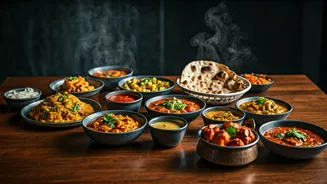
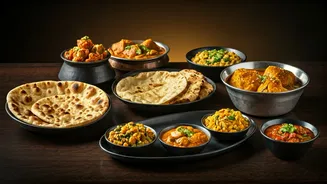
dominance of a familiar, North Indian-centric lineup: chicken tikka masala, palak paneer, samosas, and garlic naan. These dishes are delicious, but they represent a tiny fraction of India’s vast and varied culinary landscape. This unofficial canon became a form of self-preservation. It was a menu designed to apologize for its own existence, sanding down the spiky, pungent, and funky edges of authentic regional cooking in favor of something creamy, sweet, and universally agreeable. It was a business decision born of necessity, but it inadvertently created a perception of Indian food as a monolith.
A New Generation Takes the Stove
The current revolution isn't coming from nowhere. It's being led by a new generation of Indian-American chefs and restaurateurs. Many are second-generation immigrants who grew up navigating the space between their family’s kitchen and the American school cafeteria. They feel less pressure to assimilate and more empowered to celebrate their heritage on their own terms. Chefs like Chintan Pandya of New York's wildly popular Dhamaka and Semma, or the team behind Oakland's Horn Barbecue-collab pop-up, are not just cooking; they're making a statement. They are moving past the food of compromise and presenting the food of their homes, their childhoods, and their specific ancestral regions. This isn't about updating or 'elevating' recipes. It's about presenting them with context, confidence, and a trust that American diners are finally ready for the real thing.
From a Nation to a Thousand Kitchens
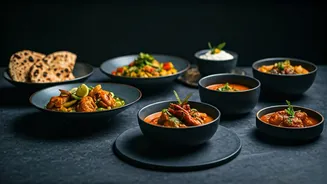
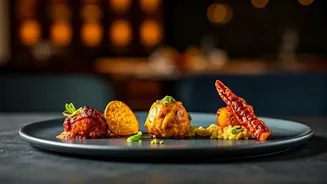
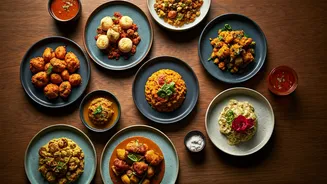
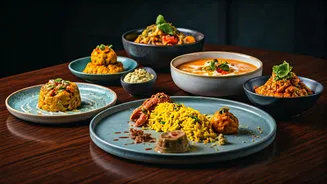
So, what does this look like on a plate? It looks like the menu at Semma, which focuses on the rustic cooking of Southern India, serving dishes like snail curry (Nathai Pirattal) and venison with dosa—dishes that would have been unimaginable on a mainstream menu a decade ago. It looks like Dhamaka’s focus on the “forgotten” recipes from rural India, featuring goat neck, paneer made in-house, and robust flavors that don’t shy away from heat or spice. Instead of a vague 'vegetable curry,' you'll find a specific Bengali *macher jhol* (fish stew) or a Goan *sorpotel* (a tangy pork dish). The focus has shifted from representing a nation to celebrating a village, a state, or even a single family's culinary traditions. This new specificity is an act of reclamation, educating diners that 'Indian food' is as broad and meaningless a term as 'European food.'
The Delicious Economics of Authenticity
Perhaps the most compelling evidence of this shift is that it’s working. The long-held fear that Americans wouldn't eat hyper-regional or intensely flavored Indian food has been proven wrong. Restaurants like Dhamaka and Semma are among the toughest reservations to score in New York City. Critics have showered them with accolades, and diners are lining up for the experience. This success creates a virtuous cycle. It proves to investors and aspiring chefs that there is a market for unapologetic, specific, and story-driven food. It signals that the era of catering to a lowest-common-denominator palate is ending. Diners are no longer just seeking a meal; they're seeking a story, a connection, and a new experience. And these restaurants are delivering on all fronts, proving that cultural pride isn't just a moral good—it's a fantastic business model.