



The Bond-Building Revolution
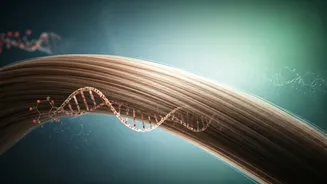
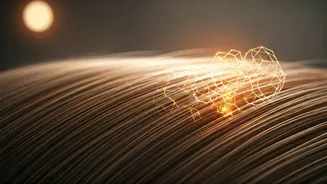
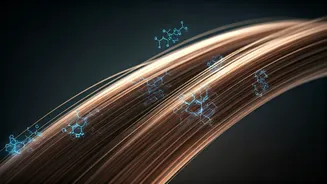
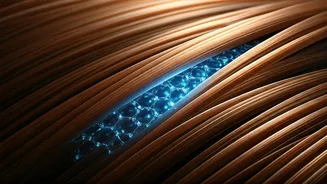
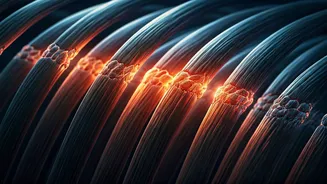
If you’ve heard stylists buzzing about Olaplex or K18, you’ve witnessed the bond-building boom. This isn’t just fancy conditioner; it’s molecular repair in a bottle. Your hair's strength and shape come from internal structures, including disulfide bonds.
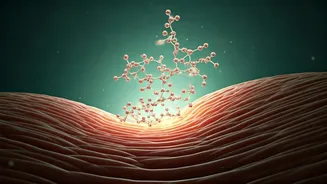
Chemical treatments (like bleaching), heat styling, and even environmental stress can break these bonds, leading to frizz, brittleness, and breakage. Bond-building treatments use patented molecules or peptides to actively seek out and relink these broken chains. Think of it like a zipper: when the teeth are misaligned, it snags and looks messy. Bond-builders realign and mend those teeth at a chemical level, restoring the hair’s structural integrity. The result isn't a cosmetic coating but a genuine repair that makes hair feel and act like it’s healthier—because it actually is.
Glass Hair and the Power of pH
The “glass hair” trend—that ultra-smooth, almost liquid-looking shine—isn’t achieved with a simple serum. Its secret weapon is pH science. Hair is happiest at a slightly acidic pH, typically between 4.5 and 5.5. At this level, the outer layer of the hair shaft, the cuticle, lies flat and tightly sealed. A flat cuticle surface is smooth and reflects light evenly, creating incredible shine. However, many things we do to our hair, from washing with alkaline tap water to chemical processing, can raise its pH. This causes the cuticle to lift and swell, creating a rough, dull, and frizz-prone surface. The new wave of “laminating” treatments, acidic rinses (like those with apple cider vinegar), and glosses work by lowering the hair's pH. This forces the cuticle to seal shut, locking in moisture and creating that signature mirror-like finish. It's chemistry for the camera-ready.
The Scalp Microbiome Takes Center Stage
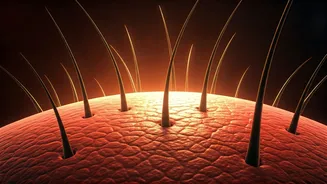
For decades, hair care focused almost exclusively on the strands themselves. The scalp was an afterthought, treated only when problems like dandruff appeared. Now, science is showing us that a healthy scalp is the foundation for healthy hair. Just like your gut, your scalp has a unique microbiome—a complex ecosystem of beneficial bacteria and fungi. When this ecosystem is balanced, it supports strong hair follicles and optimal growth. When it's disrupted by harsh sulfates, product buildup, or stress, it can lead to inflammation, itching, and even hair thinning. This has sparked a surge in scalp-first products: serums with prebiotics and probiotics to nourish good bacteria, gentle exfoliating treatments to remove dead skin cells without stripping natural oils, and formulas designed to soothe inflammation. The trend is to treat your scalp with the same care you'd give your face, cultivating a healthy environment where your best hair can grow.
Heat-Free Styling Gets a Tech Upgrade
Heatless curls are nothing new—people have been using rags and rollers for centuries. But the modern version combines old-school principles with new-school material science. The trend exploded with the rise of silky, satin-covered foam rods. The science here is twofold. First, the method: wrapping damp hair around a form and letting it dry sets the hair’s hydrogen bonds into a new shape, creating a curl that lasts until it gets wet again. This avoids the damage that high heat inflicts on the hair's protein structure. Second, the materials: unlike terrycloth towels that can cause friction and frizz, the smooth satin or silk covering allows hair to glide without roughing up the cuticle. This results in a smoother, shinier, and less frizzy curl. It's a simple, elegant solution that leverages basic hair science and modern textiles to deliver a salon-worthy look without the damage, proving that sometimes the most effective tech is also the gentlest.