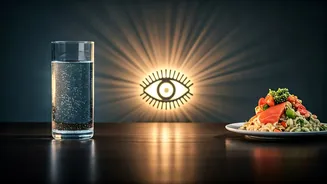

Hydration: More Than Just Quenching Thirst
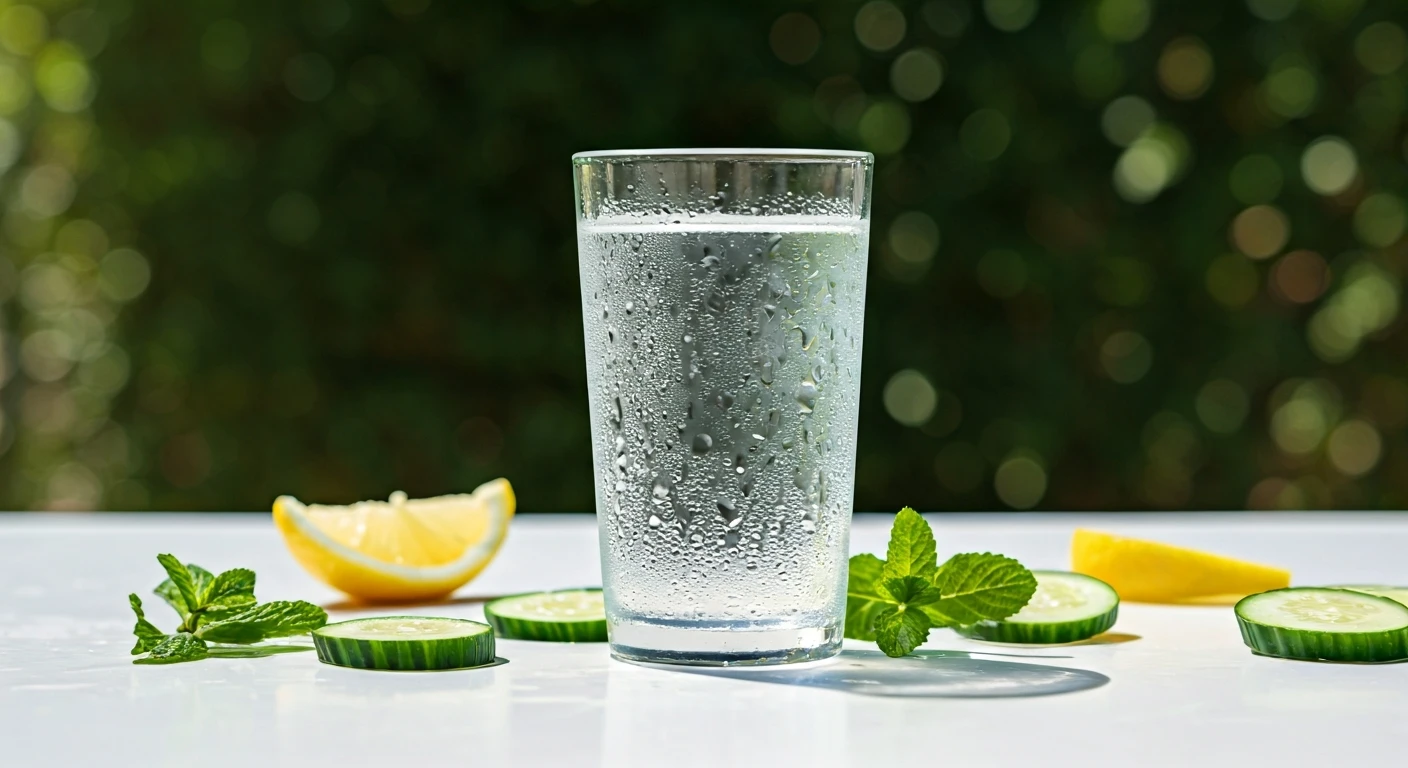
We all know we should drink water, but in summer, this advice moves from a general guideline to a non-negotiable rule. Higher temperatures and increased physical activity mean you’re losing more fluid through sweat than you realize. Dehydration doesn't
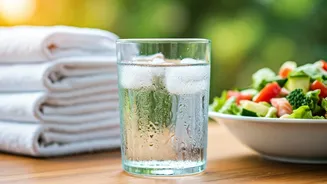
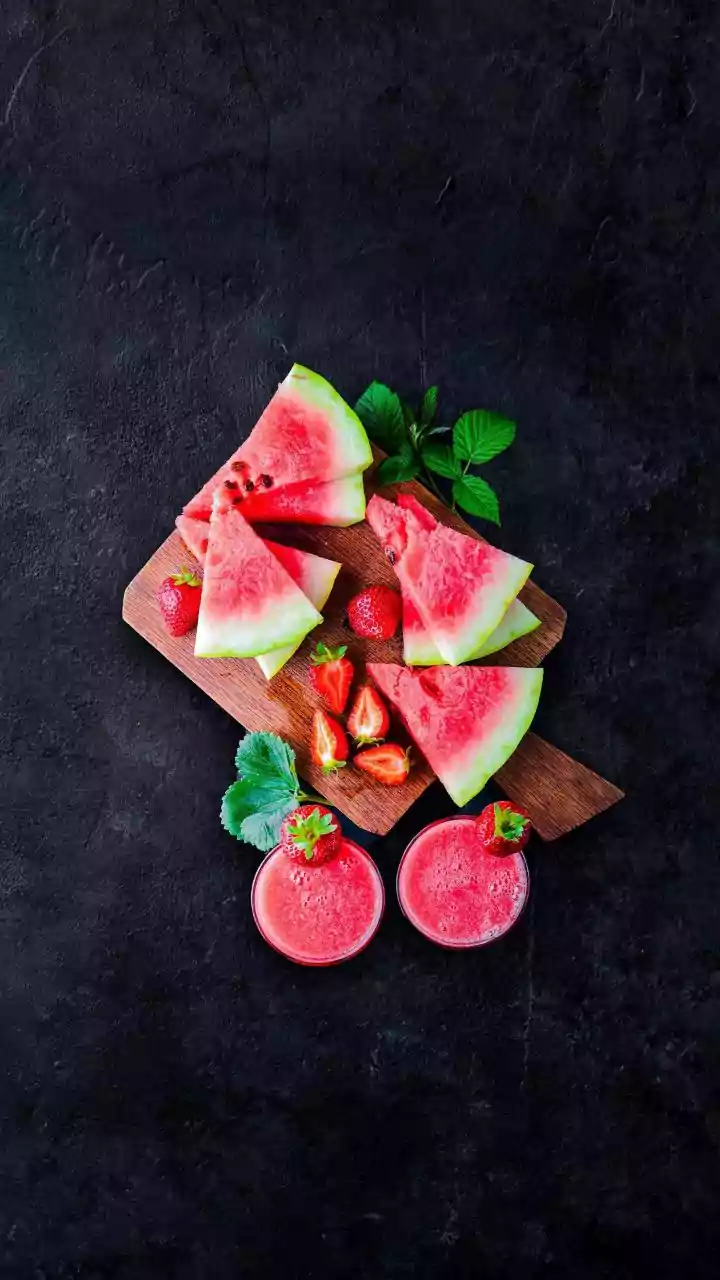
just mean feeling thirsty; it’s a thief of energy, mental clarity, and good moods. Mild dehydration can lead to headaches, fatigue, and brain fog, turning a perfect beach day into a slog. The common advice to drink eight glasses a day is a starting point, but summer demands more attention. A better strategy is to sip consistently throughout the day rather than chugging water when you finally feel parched. By the time you feel thirsty, your body is already in a state of dehydration. A simple way to monitor your hydration is the color of your urine—pale yellow is the goal. To make it easier, carry a reusable water bottle everywhere. You can also “eat” your water by consuming hydrating foods like watermelon, cucumber, strawberries, and bell peppers, which add both fluid and essential nutrients to your diet.
Rest: The Overlooked Pillar of Summer Wellness
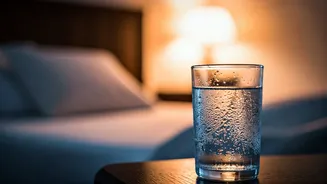
Longer days and a packed social calendar can often lead to shorter nights. While it’s tempting to burn the candle at both ends to soak up every minute of summer, skimping on rest has a steep cost. Sleep is when your body repairs itself, regulates hormones, and consolidates memories. In the summer, quality rest is especially crucial for recovering from heat exposure and physical exertion. However, getting that rest can be challenging. The heat and humidity can make it difficult to fall and stay asleep, and the later sunset can interfere with your body’s production of melatonin, the hormone that signals it's time to sleep. To combat this, focus on creating a cool, dark, and quiet sleep environment. Consider using blackout curtains to block out the lingering evening light and setting your thermostat to a cooler temperature (experts suggest around 65°F or 18.3°C). A cool shower before bed can also help lower your body temperature. Finally, try to maintain a consistent sleep schedule, even on weekends, to keep your internal clock in sync.
Real Meals: Fuel for Fun, Not Fatigue
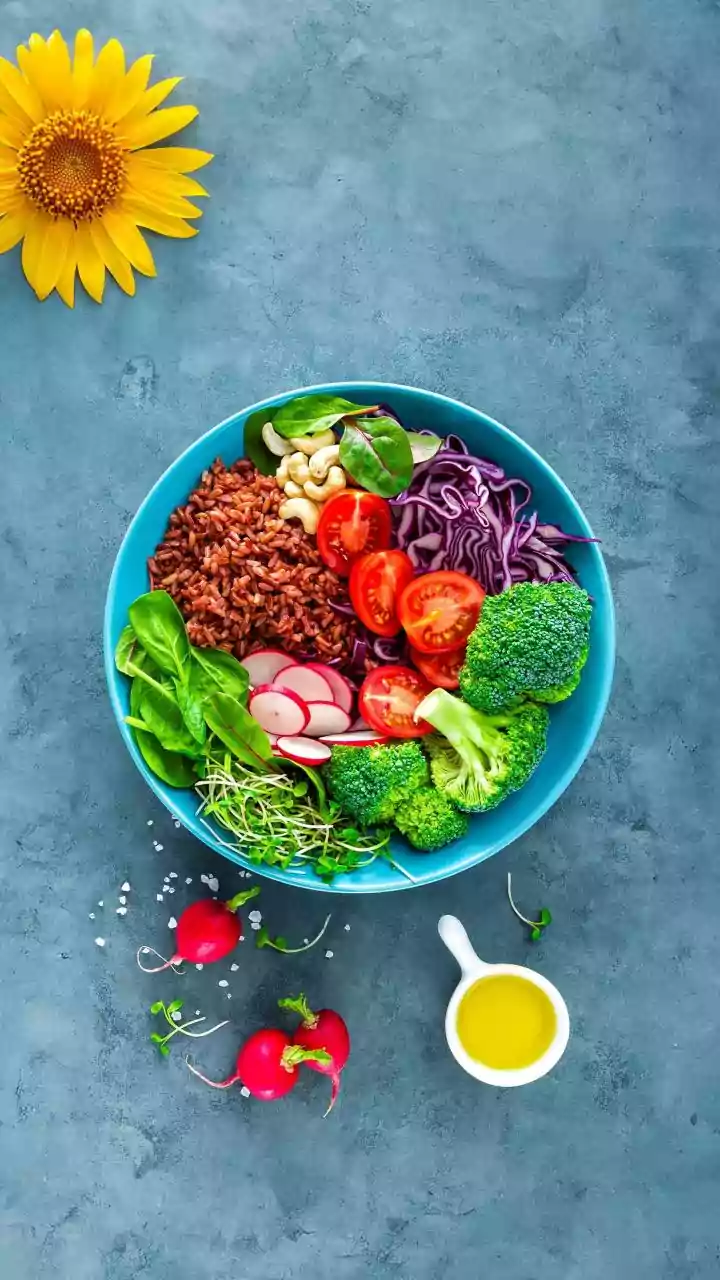
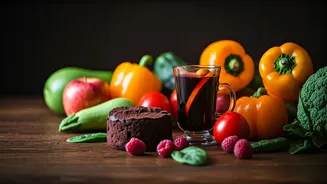
Summer is often a season of easy, convenient food: hot dogs on the grill, ice cream from a truck, and processed snacks for road trips. While these treats are part of the fun, a diet heavy in processed foods, sugar, and unhealthy fats can leave you feeling sluggish and weighed down, especially in the heat. A “real meal” in summer isn’t about complex cooking; it’s about choosing whole, nutrient-dense foods that energize you. Think of your plate as a source of both fuel and hydration. Build your meals around lean proteins (like grilled chicken or fish), plenty of fresh vegetables, and fruits. A large, colorful salad with some beans or grilled shrimp is a perfect example of a satisfying yet light summer meal. These foods provide a steady stream of energy, vitamins, and minerals without the inflammatory effects of highly processed options. Heavy, greasy foods require more energy to digest, which can divert blood from your extremities and make you feel even hotter and more tired. By prioritizing fresh, whole foods, you're not just eating healthier—you're strategically fueling your body for everything you want to do this summer.