



The Queen of Hills Awakens
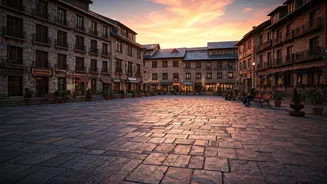
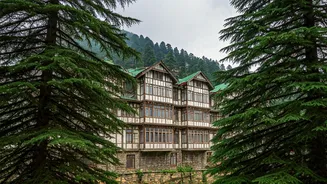
Known as the “Queen of Hills,” Shimla has long been a storybook destination. Perched at over 7,000 feet, its steep streets are lined with Tudor and neo-Gothic buildings, relics from its time as the summer capital of British India. For most of the year,
life moves at a leisurely pace along The Mall Road, a pedestrian-only thoroughfare where visitors and locals stroll, shop, and gaze at the snow-capped peaks in the distance. But the Shimla Summer Festival, an annual tradition dating back decades, is a city-wide jolt of energy. It’s a declaration that the region’s living culture is just as breathtaking as its famous mountain views, drawing thousands from across India and the world to its vibrant heart.
A Symphony on The Ridge
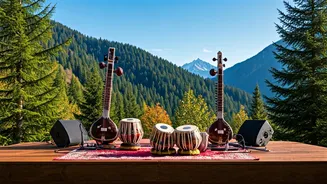
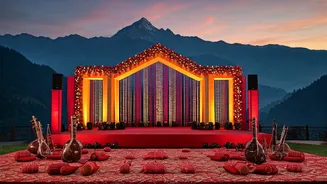
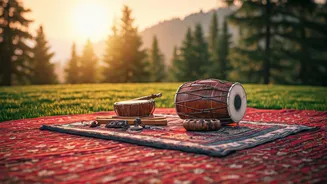
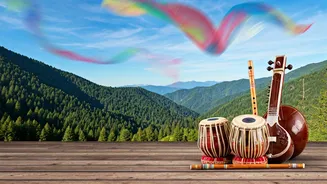
The festival’s epicenter is The Ridge, a large, flat open space at the center of Shimla that offers panoramic views of the surrounding mountains. For a few days in early summer, this plaza becomes a grand cultural arena. A massive stage hosts a kaleidoscopic lineup of performers. One evening might feature soulful classical Indian musicians, their sitars and tablas echoing through the cool night air. The next might bring a high-energy performance from a Bollywood superstar, with thousands singing along to blockbuster hits. The festival is intentionally diverse, showcasing everything from local school talent shows and folk competitions to performances by nationally recognized artists. It’s a democratic celebration where every form of expression finds its audience, all under the open sky.
The Swirl of the Nati Dance
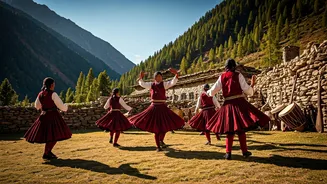
More than any single performance, the festival is defined by the constant presence of Himachali folk traditions. Chief among them is the Nati, a slow, circular group dance that is the cultural heartbeat of the state of Himachal Pradesh. You’ll see it everywhere. Troupes of dancers in brightly colored, intricately embroidered wool clothing and silver jewelry move in hypnotic, serpentine lines. The men, with feathered caps, and women, in their traditional shawls, link arms and sway to the gentle, rhythmic pulse of drums and pipes. The Nati isn't just a performance for a passive audience; it’s a communal expression of joy and unity. Its gentle, unhurried pace feels like a perfect reflection of life in the mountains, and watching it feels like witnessing something ancient and essential.
A Feast for the Senses
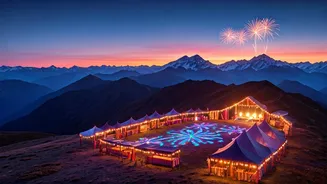
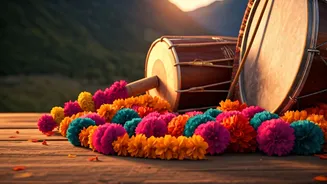
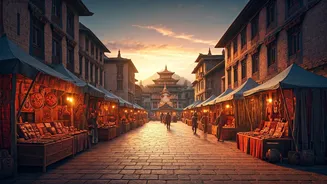
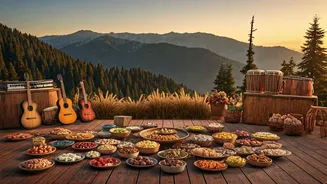
Beyond the main stage, the festival sprawls into a full sensory experience. Temporary stalls and tents pop up, creating a bustling marketplace of sights, smells, and tastes. The air fills with the aroma of sizzling street food, from savory chaat to local Himachali specialties like Siddu (a steamed bread stuffed with nuts and spices). Artisans sell handcrafted goods, including wool shawls, wooden carvings, and traditional jewelry, offering tangible pieces of the region’s heritage. Flower shows add another layer of color, with elaborate displays of rhododendrons, lilies, and marigolds. It’s a place to wander without a plan, letting your curiosity guide you from a food stall to a puppet show to a quiet bench where you can simply watch the joyful chaos unfold.