



An Escape from the Crowds
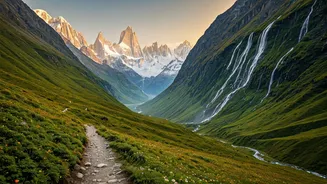
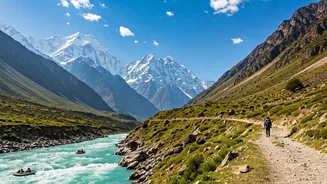
For years, the well-trodden path for visitors to Himachal’s Kullu Valley led directly to Manali, a town synonymous with adventure sports, backpacker cafes, and, increasingly, traffic jams. Just thirty minutes away, however, perched on a forested slope
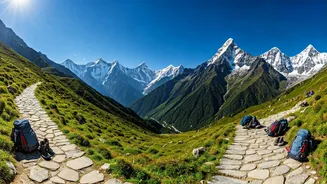
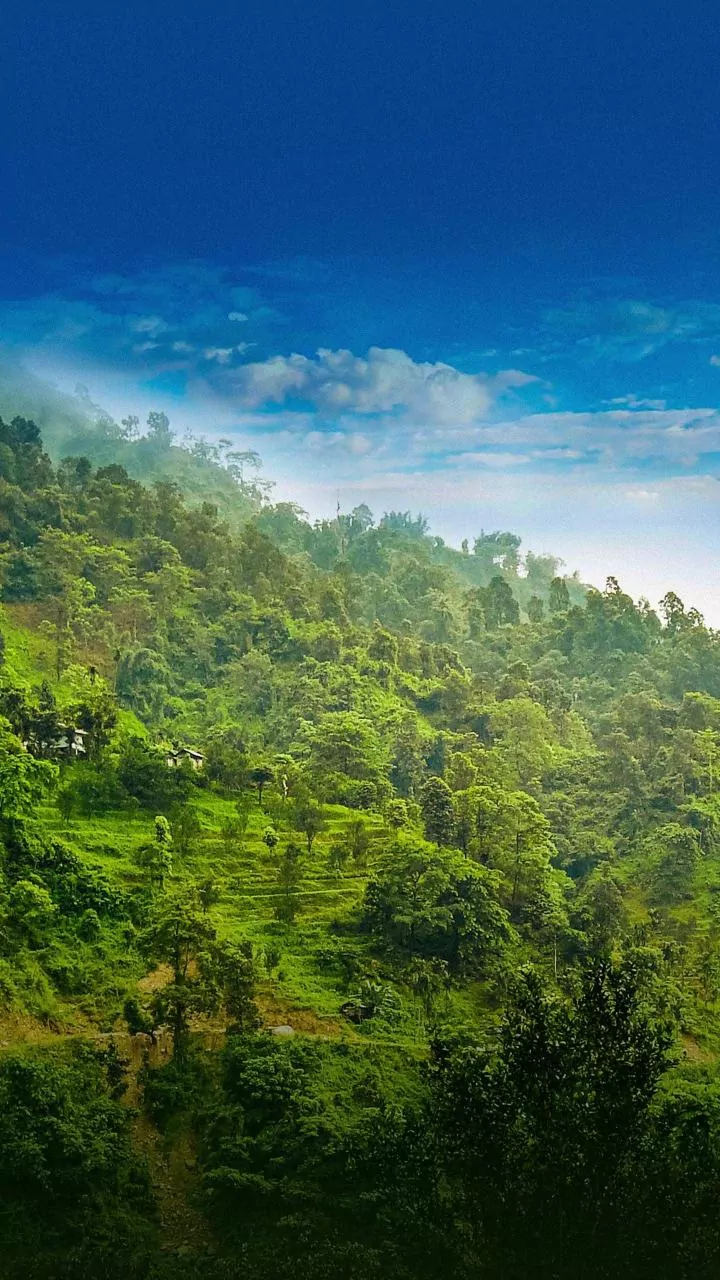
overlooking the gushing Beas River, Naggar remained a quiet whisper. For centuries, it was the capital of the Kullu kingdom, a place of power and prestige. Now, its historic charm and unhurried pace are precisely what’s drawing people back. Travelers weary of commercialized tourism are finding in Naggar an authentic slice of mountain life, where ancient history feels alive and the main soundtrack is birdsong, not honking horns.
The Castle on the Hill
The heart of Naggar’s old magic is undoubtedly the Naggar Castle. This isn't a European-style fortress of cold stone and imposing battlements. Instead, it’s a magnificent example of *kath-kuni*, a traditional architectural style using interlocking layers of timber and stone without mortar, designed to withstand earthquakes. Built by Raja Sidh Singh in the 15th century, the castle served as the royal seat for over 1,400 years. Today, it’s a heritage hotel run by the state tourism board, but its essence remains unchanged. You can wander through its courtyards, admire the intricate wood carvings on its balconies, and stand in the same spot where kings once looked out over their domain, a panoramic vista of snow-capped peaks and terraced apple orchards. Within its walls, a small stone shrine is said to house a deity carried here by honeybees, a legend that perfectly captures the town's blend of history and myth.
A Russian Mystic's Himalayan Haven
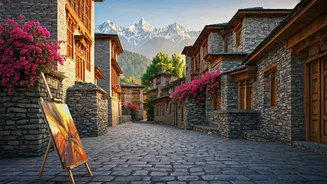
Naggar's appeal isn't just royal; it's also deeply spiritual and artistic, thanks largely to its most famous expatriate resident: Nicholas Roerich. A Russian painter, writer, philosopher, and Nobel Peace Prize nominee, Roerich settled in Naggar in 1929 after his monumental expeditions through Central Asia. He and his family fell in love with the area, which they believed to be a gateway to a hidden spiritual kingdom. His former home is now the Roerich Art Gallery, a must-visit sanctuary preserving hundreds of his ethereal paintings of the Himalayas. The canvases glow with otherworldly blues, purples, and pinks, capturing the mountains not just as geological formations, but as living, breathing spiritual entities. The gallery, along with the Urusvati Himalayan Research Institute founded by his son, cemented Naggar’s reputation as a haven for artists, thinkers, and seekers.
The Modern Rediscovery
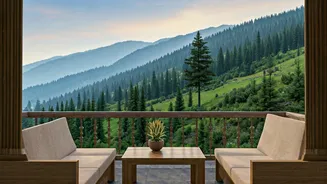
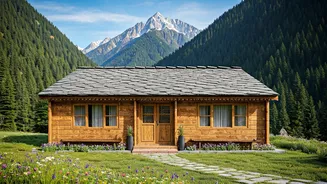
The “rediscovery” of Naggar is a conscious choice. It’s being led by a generation of slow travelers, digital nomads, and creatives who are choosing quietude over commotion. The result is a gentle renaissance. Quaint cafes serving organic coffee and freshly baked goods have sprung up, offering stunning valley views from their terraces. Family-run guesthouses and boutique homestays provide a more intimate alternative to large hotels. You’ll find yoga retreats, pottery studios, and artists' residencies tucked away in the deodar forests. This new layer doesn't erase the old magic; it complements it. The vibe is less about partying and more about reflection, creativity, and connection—to nature, to history, and to a community of like-minded people who found their way to this special corner of the world.