




Understanding the Monsoon's Fury
First, let's clarify what we mean by “monsoon.” In the U.S., this primarily refers to the North American Monsoon, a dramatic weather pattern that affects the Southwest—think Arizona, New Mexico, Utah, and Colorado—from roughly late June through mid-September.
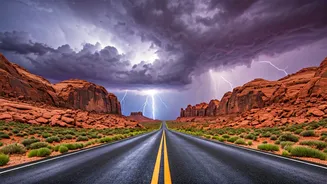
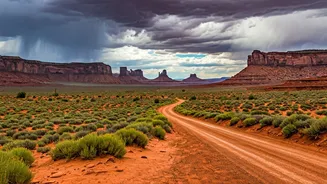
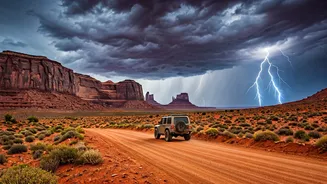
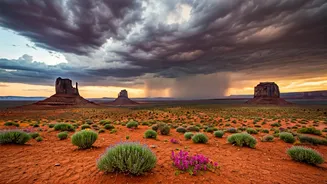
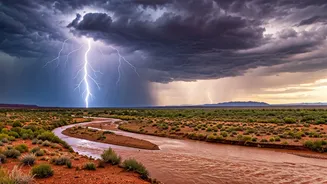
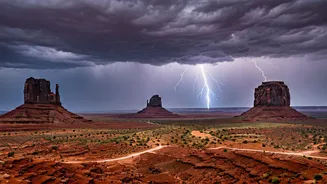
After months of dry heat, moisture streams in from the Pacific Ocean and Gulf of Mexico, colliding with the high desert terrain. The result? Abrupt, localized, and incredibly intense thunderstorms. One minute, you’re hiking under a searing blue sky; the next, the temperature plummets, dark clouds gather with shocking speed, and a deluge begins. These aren't gentle summer showers. Monsoon storms unleash torrential rain, hail, high winds, and a spectacular—and dangerous—amount of lightning. The dry, sun-baked ground can’t absorb the water fast enough, creating the conditions for the single greatest threat to travelers: flash floods.
When Your Perfect Plan Collapses
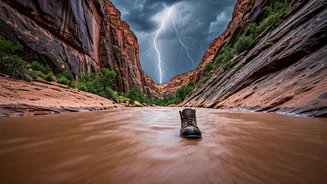
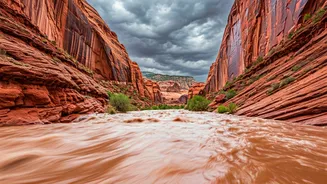
A rigid, minute-by-minute itinerary is the enemy of a safe monsoon-season trip. That bucket-list hike you booked months in advance? It could become a death trap. The scenic dirt road to a remote campsite? It could become an impassable river of mud, stranding you for hours or days. The most classic danger is in slot canyons. Places like The Narrows in Zion National Park or Antelope Canyon in Arizona are carved by water, and they can fill with a terrifying wall of water from a storm that’s happening miles away, completely out of your sight. Park rangers will close these areas when a threat exists, but conditions can change with little warning. A rigid schedule might tempt you to ignore warnings or push ahead, thinking, “I only have today to do this.” That’s a gamble you can’t afford to take. Beyond slot canyons, even open trails can be washed out, and high-elevation ridges become magnets for lightning, forcing you to abandon summit attempts.
How to Build a Flexible Itinerary
So, how do you plan a trip where nothing is planned? It’s not about having no plan; it’s about having multiple plans. For every day, build in an Option A, B, and C. Option A might be your ideal outdoor adventure—a long hike or a drive to a scenic overlook. Option B should be a safer, lower-elevation alternative that’s less susceptible to flooding or lightning. Think a trail in a less rugged area or a visit to a state park that isn't centered around a canyon. Option C should be an indoor plan. The Southwest is full of incredible museums, art galleries, and cultural centers in cities like Santa Fe, Taos, or Scottsdale. A stormy afternoon is the perfect excuse to explore them. This strategy requires a different approach to booking. Opt for hotels with flexible cancellation policies. Instead of pre-paying for tours far in advance, check availability closer to the date. Most importantly, become a devout follower of the weather forecast. Check it when you wake up, check it before you leave for an activity, and check it again at the trailhead. Use the National Weather Service (weather.gov) and check for specific alerts from the National Park Service for the area you're visiting.
The Right Gear and Mindset
Your packing list needs to reflect this volatility. In addition to standard hiking gear, always have a quality rain jacket, even if the morning is cloudless. Keep extra food, water, and blankets in your vehicle in case you get stuck by a washed-out road. If you’re venturing into remote areas with no cell service, a satellite messenger for emergencies is a wise investment. The most critical piece of gear, however, is your mindset. You must be willing to turn back. If you see dark clouds building, hear a distant roar up-canyon (a sign of an approaching flood), or simply feel uneasy, abandon your plan. The mountain will still be there tomorrow or next year. The goal is to ensure you are, too. Never cross a flooded wash or roadway. It takes shockingly little moving water to sweep a car away.