


The Summer 'Off-Season' Myth
For many, the idea of visiting places like Phoenix, Tucson, or Palm Springs between July and September seems counterintuitive. Triple-digit daytime temperatures are the norm, and many assume the region is simply off-limits until the gentler weather of fall
arrives. But this overlooks a distinct and dynamic period: the North American Monsoon. This isn't just a continuation of dry summer heat; it’s a weather pattern that completely transforms the desert landscape and daily rhythm. Instead of an off-season, it’s a secret season—one defined not just by heat, but by dramatic storms, vibrant life, and, most importantly, blissful evening relief.
Nature's Own Air Conditioning
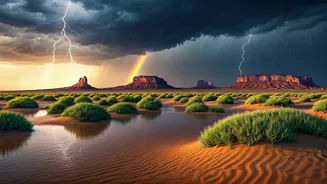
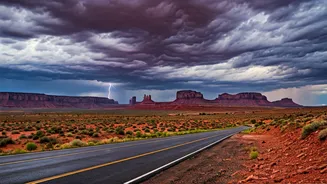
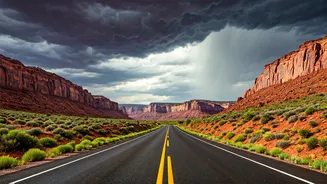
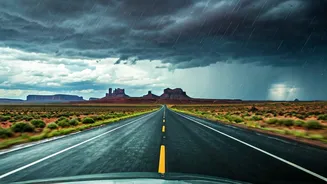
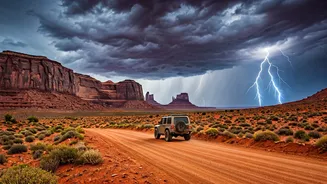
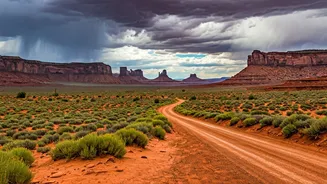
The monsoon phenomenon is a beautifully simple, if intense, cycle. During the day, the powerful sun bakes the desert floor, creating immense thermal updrafts. This hot, rising air pulls in moisture-laden winds, typically from the Gulf of California and the Pacific Ocean. By mid-afternoon, this combination of heat and humidity builds into towering, dramatic thunderheads. The result is often a short-lived but spectacular storm, complete with cracking lightning, booming thunder, and a downpour that washes the dust from the air. When the storm passes and the sun begins to set, the magic happens. The rain-cooled air and clear skies lead to a rapid drop in temperature. A day that peaked at 105°F can easily settle into a comfortable, breezy 75°F by 9 p.m., creating a perfect environment for outdoor activity when the rest of the country is sweltering in humid summer nights.
An Evening Itinerary Awakens
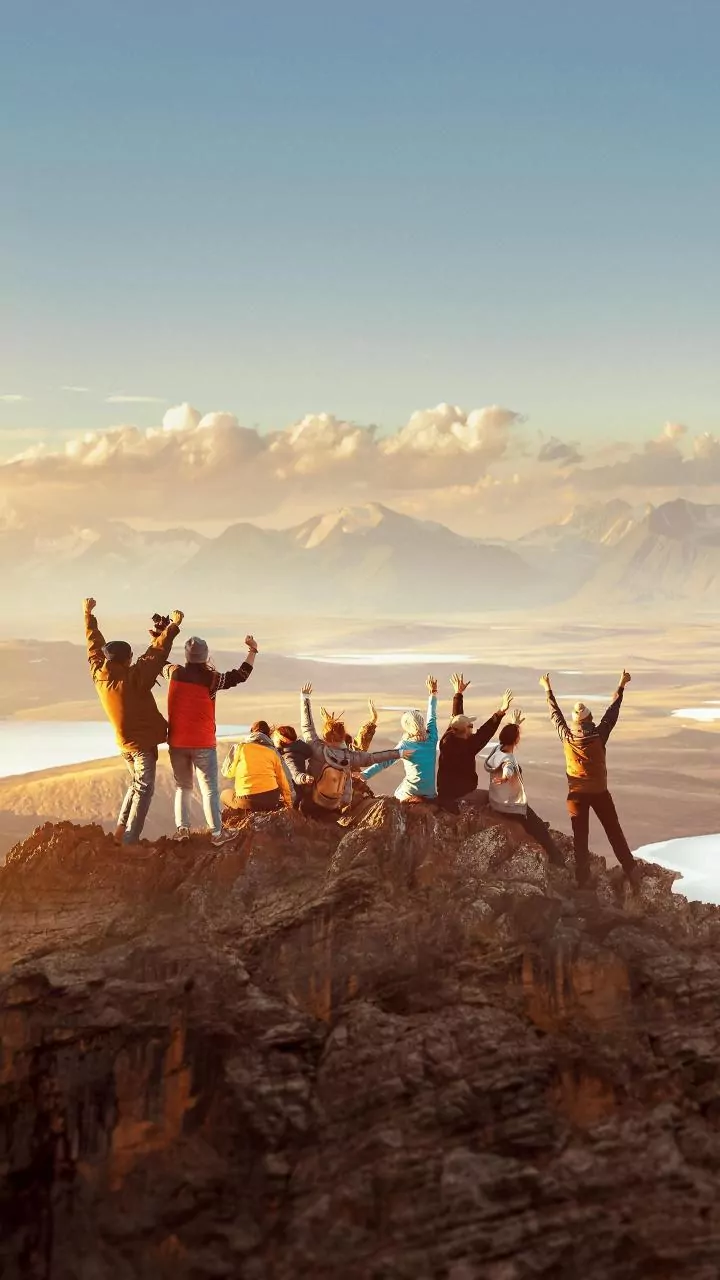
So what do you do with this gift of a cool evening? You live on a different schedule. The monsoon traveler learns to embrace the siesta. Afternoons are for pool-lounging, museum-hopping, or naps in the air conditioning. But as the sun dips low, the desert comes alive. It's the perfect time for a late-afternoon hike in the foothills, where the trails are empty and the views are drenched in golden light. Restaurants roll out their misters and open their patios for al fresco dining under starry skies. Botanical gardens, like the Desert Botanical Garden in Phoenix, often have evening hours, allowing visitors to see night-blooming flowers like the Queen of the Night cactus. It's also prime time for stargazing. The air, scrubbed clean by the rain, offers exceptional clarity for viewing constellations and the Milky Way, far from the light pollution of major cities.
The Sensory Rewards of a Desert Rain
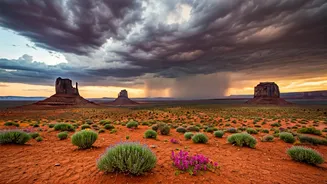
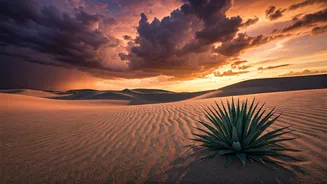
Beyond the temperature drop, monsoon season offers a feast for the senses. There is no scent more quintessentially Southwestern than the smell of rain in the desert. This earthy, herbal perfume comes from the creosote bush, which releases oils into the air when it rains—a smell that signals life and relief. The sunsets are another major draw. The lingering moisture and dust particles in the atmosphere from the day's storms act as a natural filter, scattering the sunlight into an explosion of fiery reds, soft purples, and deep oranges that can last for nearly an hour. The soundscape changes, too. The silence of the midday heat gives way to a chorus of frogs and toads emerging from their burrows to celebrate the moisture, their calls filling the night air.
Travel Smart During Monsoon Season
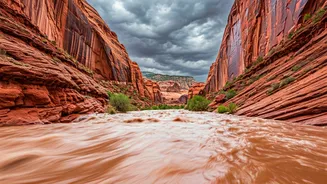
Embracing the monsoon requires a healthy dose of respect and preparation. The storms, while beautiful, can be dangerous. Flash floods are a serious risk, as the hard-packed desert soil doesn't absorb water quickly. Never hike in or drive through a dry wash (arroyo) if rain is in the forecast, as it can become a raging river in minutes. Always check the daily weather forecast before making plans, and be prepared to change them. A good rule is to be off the trails and on a safe porch or patio by mid-afternoon to enjoy the light show from a distance. A flexible attitude is your best travel companion, allowing you to appreciate a storm-cancelled hike as an opportunity to watch the dramatic sky unfold.