





First Off, What's a Hill Station?
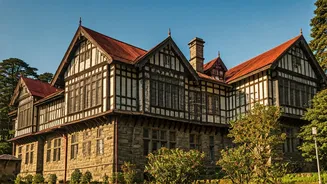
Imagine a town plucked from the English countryside and dropped into the Himalayan foothills. That’s the historical essence of a hill station. These high-altitude settlements, with names like Shimla, Darjeeling, and Ooty, weren't originally tourist towns.
They were created by British colonial administrators in the 19th century for a very practical reason: to escape the crushing, unforgiving heat of the Indian plains during the summer. For months on end, the British would move their entire administrative capitals—lock, stock, and barrel—to these cooler, breezier mountain enclaves. They built Victorian-style cottages, Anglican churches, social clubs, and botanical gardens, creating miniature versions of England in the heart of Asia. When India gained independence, these towns didn't disappear; they were inherited, becoming premier domestic tourism destinations for Indians themselves.
The Great Indian Summer Escape
The colonial-era logic still holds today. When temperatures in major cities like Delhi, Mumbai, and Kolkata soar to well over 100°F (40°C), the allure of a mountain town sitting at a pleasant 65°F (18°C) is irresistible. This modern-day travel boom is fueled by two powerful engines: the school calendar and a booming economy. India’s summer school vacation, typically running from May to June, coincides perfectly with the peak of the heatwave. Simultaneously, decades of economic growth have created a massive, aspirational middle class with disposable income and a newfound desire for leisure travel. A family vacation, once a rare luxury, is now an annual rite of passage. For millions, the destination of choice is the familiar, accessible, and historically prestigious hill station.
Gridlock at 7,000 Feet
The word "boom" in the headline is not an exaggeration; it’s an understatement. When school holidays hit, the trickle of travelers turns into a flood, overwhelming the quaint infrastructure of these mountain towns. The scene is predictable and dramatic. Winding mountain roads, built for far less traffic, become parking lots. Journeys that should take a few hours can stretch into ten or more as tens of thousands of cars snake their way up the hills. In popular hubs like Manali or Nainital, hotels are booked solid for weeks, with prices skyrocketing. The central promenades, known as "Mall Roads" (another British relic), become a sea of people. What is sold as a serene escape quickly morphs into a frantic, crowded festival of tourism, where finding parking is a bigger challenge than enjoying the mountain views.
The Hidden Costs of the Boom
While the economic injection is a lifeline for local businesses, this annual surge comes at a steep price. These fragile Himalayan ecosystems are not equipped to handle such a massive, concentrated influx. Water, already a precious resource in the mountains, becomes critically scarce as hotels and guesthouses cater to the tourist wave. Waste management systems are pushed to the breaking point, leading to overflowing landfills and pollution that mars the natural beauty tourists came to see. The constant construction of new hotels and roads to accommodate the boom contributes to soil erosion and increases the risk of landslides in a geologically active region. This creates a paradox: the very act of loving these places to death is threatening their long-term survival. The boom is a short-term gain for many but poses a long-term existential threat to the environment that underpins the entire industry.