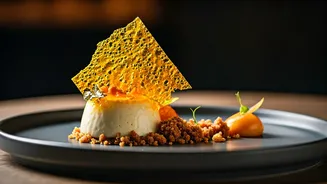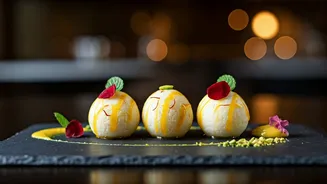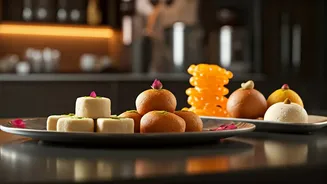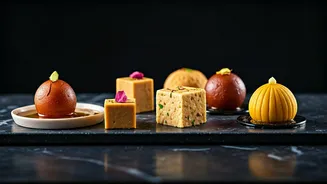

First, What Is Mithai?
Before we talk about its modern makeover, let’s get acquainted with mithai. The term is a catch-all for a vast and vibrant category of traditional Indian sweets and confections. If your only reference point for Indian dessert is a syrupy post-buffet offering,
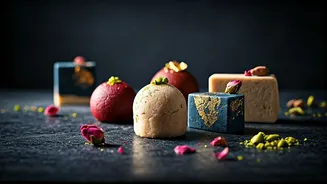
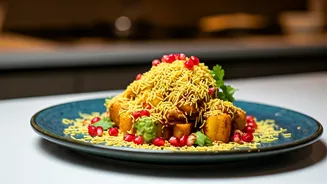
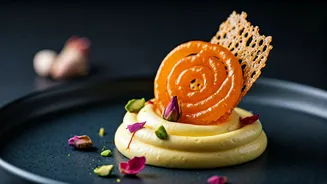
it’s time for a re-introduction. Mithai are intricate, diverse, and deeply cultural, often associated with celebrations like Diwali and weddings. Think of them less like candy bars and more like artisanal pastries. Common forms include *barfi* (a dense, milk-based fudge, often flavored with pistachio or almond), *gulab jamun* (spongy, fried dough balls soaked in fragrant syrup), and *jalebi* (crispy, pretzel-shaped spirals drenched in sweetness). What unites them are their core flavor profiles: the floral notes of rosewater and saffron, the earthy warmth of cardamom, the nutty richness of pistachios and cashews, and the creamy foundation of reduced milk solids known as *khoya*.
From Sweet Shop to Tasting Menu
So why are these flavors, beloved in South Asian households for centuries, suddenly appearing on a $25 dessert plate in a Michelin-starred restaurant? The answer lies in a shift in the American palate and a new generation of creative pastry chefs. For years, Western fine dining desserts were dominated by French techniques, focusing on chocolate, vanilla, and fruit. But as diners have become more adventurous, chefs are seeking new ways to surprise and delight them. Mithai flavors offer a perfect palette. They provide complexity that goes beyond simple sweetness. The warmth of cardamom can cut through the richness of a custard, while a touch of rosewater adds an elegant, aromatic lift to a light mousse or ice cream. These ingredients allow chefs to build layers of flavor that are intriguing and memorable, moving away from the sugar-heavy desserts of the past toward something more nuanced and fragrant.
On the Menu: Modern Interpretations
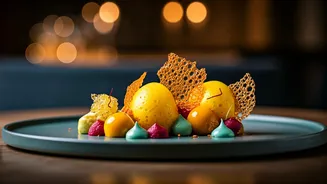
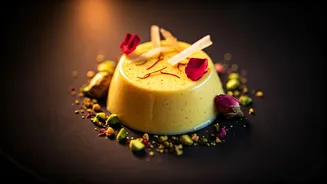
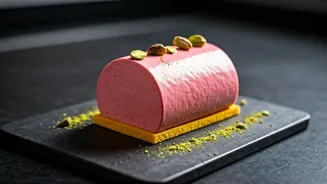
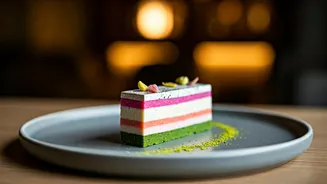
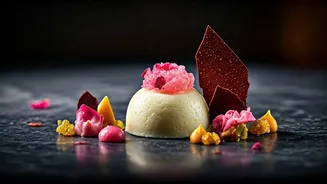
This isn't about simply placing a piece of barfi on a plate. The trend is about deconstruction and re-imagination. At top restaurants across the country, pastry chefs with South Asian heritage, as well as those without, are using mithai as a creative springboard. You might find a cardamom panna cotta, which uses the spice's gentle heat to elevate a classic Italian dessert. At New York's Semma, pastry chef Camari Mick has been lauded for creations like a gunmetal-gray dessert made with jaggery and sesame. In Chicago, chefs are infusing saffron into cheesecakes, lending them a golden hue and a subtle, honeyed aroma. Other examples include pistachio and rose macarons, gulab jamun-inspired doughnuts filled with rose-scented cream, or even a carrot halwa tart, which transforms a traditional sweet carrot pudding into a refined, elegant pastry. The technique is Western, but the soul of the flavor is purely South Asian.
A Celebration of Heritage
This movement is more than just a passing fad; it reflects a deeper cultural shift in American high cuisine. For many second-generation immigrant chefs, incorporating these flavors is a way of honoring their heritage while asserting their place in the world of modern gastronomy. They are no longer compartmentalizing their identity, but rather weaving it into their craft with confidence. Chefs like Surbhi Sahni, an icon in the New York pastry scene, have long been champions of elevating Indian desserts. Now, a new wave is following suit, proving that the flavors they grew up with belong in the same esteemed category as French or Italian ingredients. By doing so, they are not only creating delicious and innovative food but also expanding the very definition of what American fine dining can be.