



The Old Guard of Luxury
Imagine the most exclusive restaurant in Mumbai or Delhi twenty years ago. The menu likely featured Norwegian salmon, Chilean sea bass, and Australian lamb. Olive oil was drizzled with abandon, and asparagus, flown in from thousands of miles away, was a marker
of sophistication. For a long time, luxury dining in India was defined by its distance from India itself. It was an aspirational performance, a culinary echo of a colonial mindset where the best of everything—ingredients, techniques, wine—had to come from the West. Local was seen as rustic, common, and certainly not worthy of a white tablecloth and a hefty price tag. An Indian chef’s highest ambition was often to master the art of the perfect coq au vin, not to elevate a regional dal.
A Culinary Homecoming
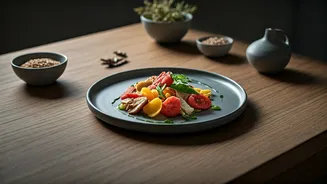
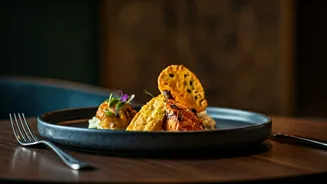
That era is decisively over. A new, confident generation of Indian chefs is spearheading a culinary rebellion rooted in pride and curiosity. They are asking a simple but revolutionary question: why are we importing ingredients when we are sitting on one of the most biodiverse pantries in the world? Chefs like Prateek Sadhu, formerly of the celebrated Mumbai restaurant Masque, and Thomas Zacharias, the driving force behind The Bombay Canteen, have become pioneers of this movement. They’ve traded imported quinoa for indigenous millets and foraged Himalayan fiddlehead ferns for out-of-season asparagus. Their menus read like a love letter to the subcontinent, celebrating the distinct terroir of regions from Kashmir to Kerala. This isn't about simply cooking traditional recipes; it's about applying modern techniques and a fine-dining philosophy to ingredients that have been overlooked for generations.
Unlocking the Forgotten Pantry
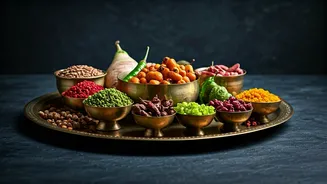
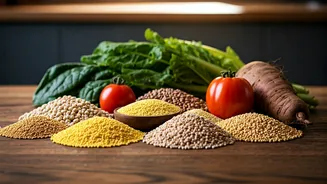
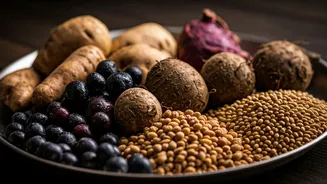
The stars of this new movement are the ingredients themselves. We’re talking about things most Americans—and even many urban Indians—have never heard of. There’s the 'gondhoraj lebu,' a powerfully fragrant lime from Bengal with a scent so intoxicating it’s used as a natural perfume. There are ancient grains like amaranth and foxtail millet, once staples before the Green Revolution prioritized wheat and rice, now being celebrated for their nutty flavors and nutritional benefits. Chefs are exploring the dozens of varieties of regional rice, each with its own texture and aroma, and championing vegetables like moringa (drumstick), long considered a humble backyard plant but now appearing in elegant purees and sauces. This rediscovery extends to foraged foods, from edible flowers in the Himalayas to sea buckthorn in Ladakh, bringing a thrilling sense of place and seasonality to the plate. It's a treasure hunt through India's own agricultural heritage.
More Than Just a Menu
This shift is about far more than just food trends. It is a powerful statement of cultural identity and decolonization. By placing a hyper-local, seasonal ingredient at the center of a hundred-dollar tasting menu, these chefs are redefining what “luxury” means. They are asserting that Indian ingredients are not inferior to their European counterparts; they are simply different, and worthy of the same respect and creativity. This philosophy also has profound economic and environmental benefits. It creates demand for indigenous crops, providing a livelihood for small-scale farmers and preserving agricultural biodiversity. It champions sustainability by shortening supply chains and reducing the carbon footprint associated with flying ingredients across the globe. It is, in essence, a vote of confidence in India itself—its farmers, its land, and its rich, complex history.