

Beyond the 'Assorted Vegetable' Basket
If your experience with pakoras begins and ends with a mixed basket of vaguely spiced, deep-fried vegetables, you’re not alone. For decades, that’s how this classic South Asian snack was presented to American diners: a safe, approachable, and slightly
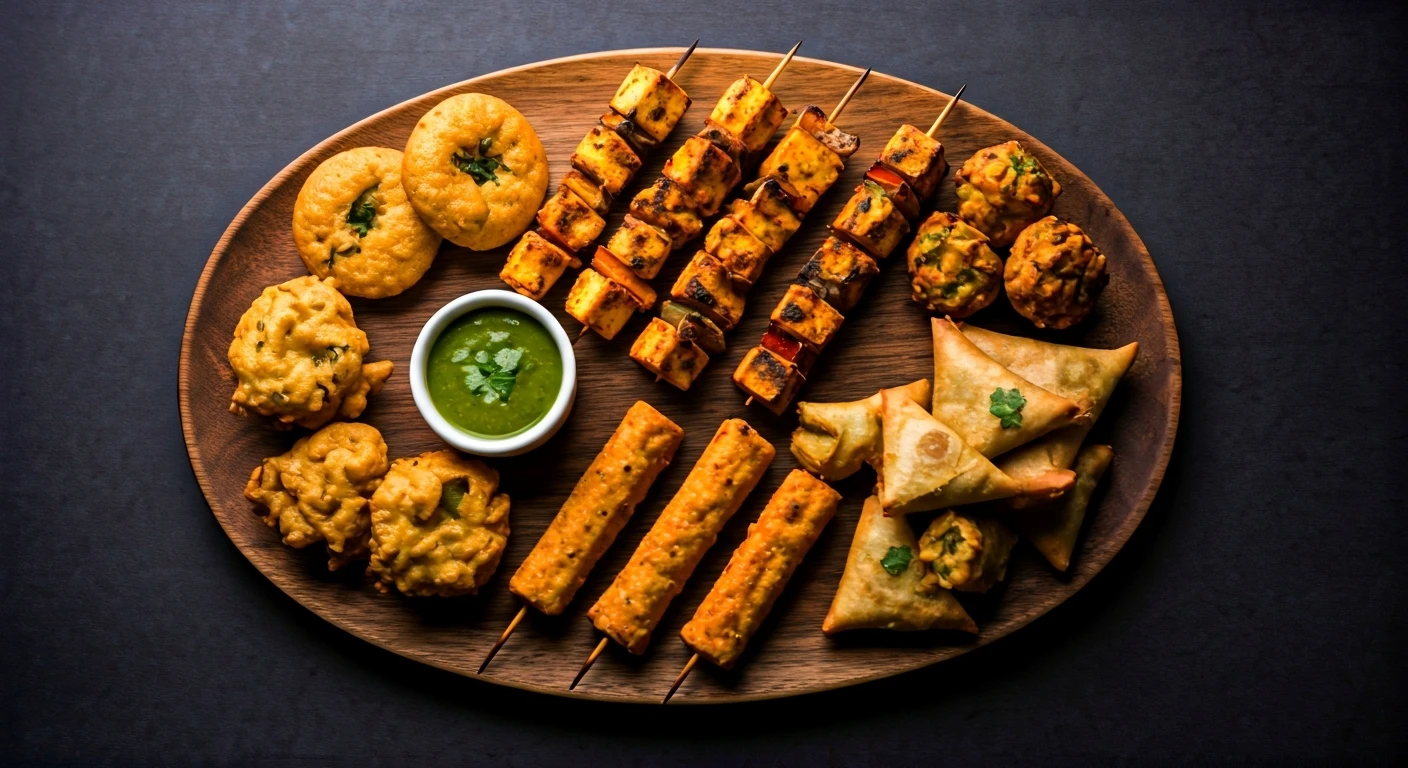
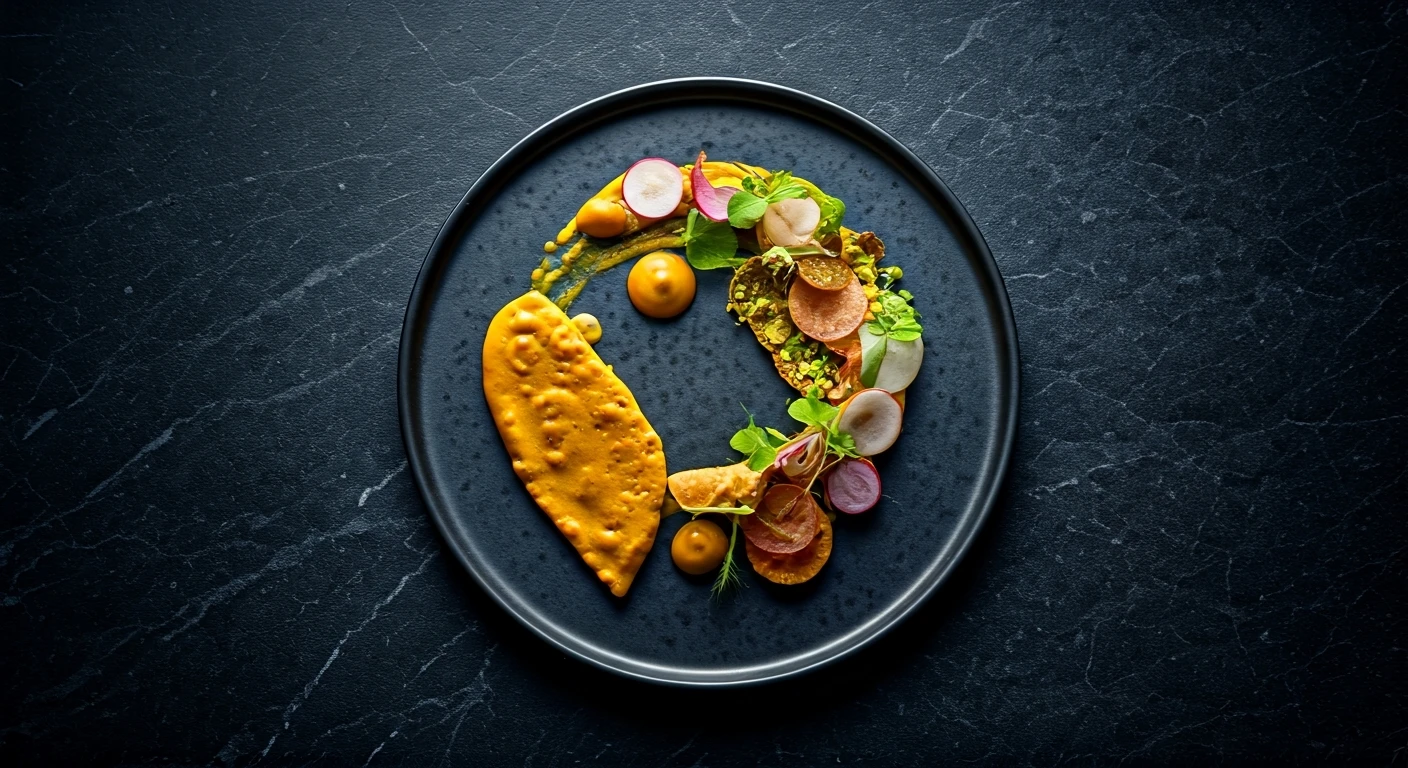
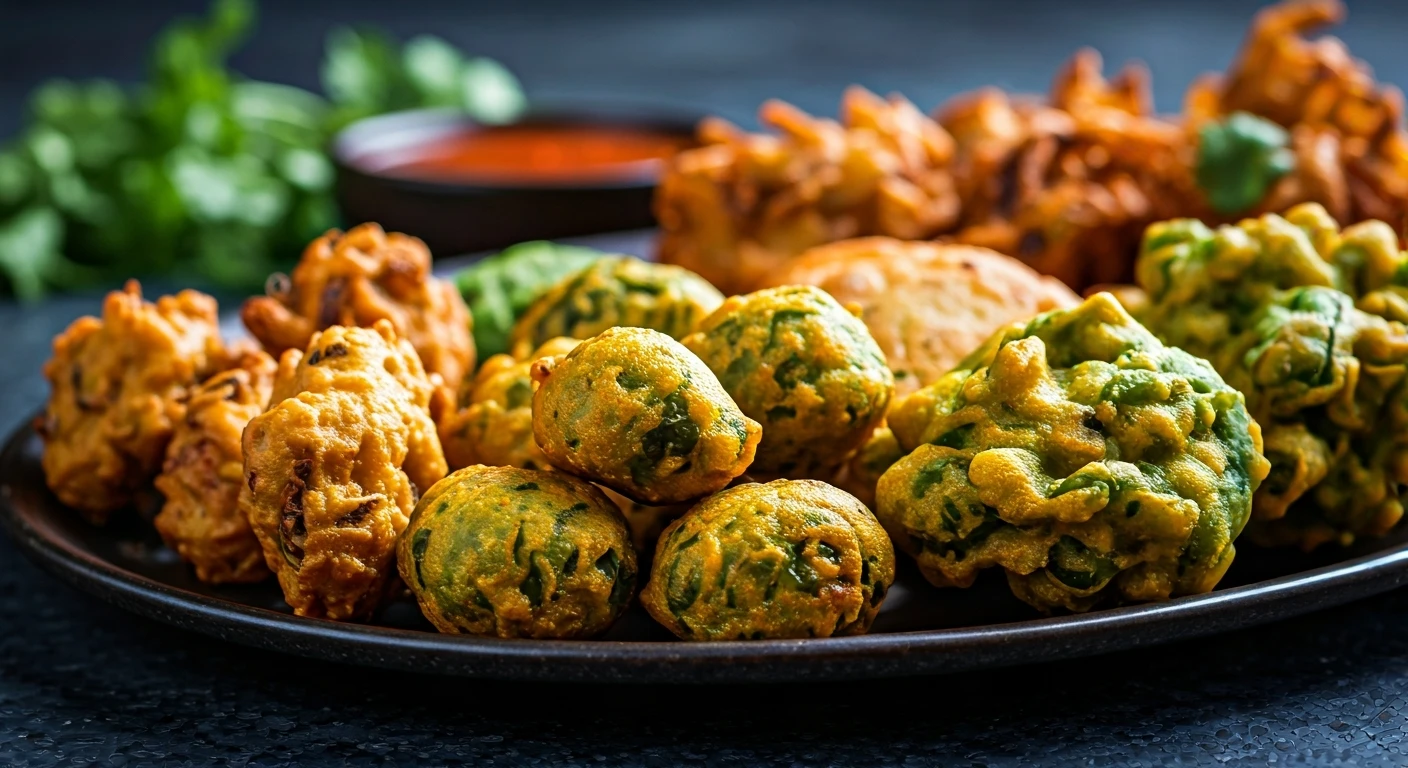
mysterious appetizer. A pakora, at its core, is simple—an ingredient (like a vegetable, cheese, or onion) is dipped in a seasoned batter of gram flour (besan) and fried until golden and crisp. But to treat it as a single dish is like saying all American barbecue is the same. India’s culinary landscape is profoundly regional, and so is its pakora. Now, chefs and food lovers are finally pushing past the generic platter to celebrate the specific, hyper-local versions that tell a much richer story.
The Onion: A Tale of Two Fritters
Nowhere is the regional difference clearer than with the humble onion. In many North Indian restaurants, you’ll find ‘Pyazi,’ where thinly sliced onions are mixed into a thick batter, forming dense, satisfying fritters that are soft on the inside and crunchy on the outside. But travel west to Maharashtra, and you’ll find ‘Kanda Bhaji.’ Here, the onions are sliced, salted, and left to release their moisture. They are then mixed with just enough gram flour to bind them, resulting in a lighter, crispier, and more onion-forward fritter that’s less about the batter and all about the caramelized allium. It’s a textural masterpiece, often served with dry garlic chutney and a staple street food in Mumbai. This single-ingredient shift highlights a national obsession expressed in uniquely local dialects.
From Spinach Leaves to Stuffed Chilis
The variations are practically endless. ‘Palak Pakoras,’ made with whole spinach leaves, offer a shattering, paper-thin crispness, a world away from the denser fritters made with chopped spinach mixed into the batter. ‘Paneer Pakoras’ are a classic comfort food, featuring cubes of firm Indian cheese enveloped in a spicy coating, creating a delightful contrast between the creamy, mild interior and the crunchy, savory exterior. But the real adventure begins when you explore even further. Head south in your culinary imagination to Andhra Pradesh or Telangana, and you find ‘Mirchi Bajji.’ These are not for the faint of heart. Large, relatively mild banana peppers are slit open, sometimes stuffed with a tamarind or spice mixture, then battered and fried whole. It’s a thrilling combination of heat, tang, and crunch.
Why Now? Authenticity Is the New Spice
So why is this pakora renaissance happening now? It’s part of a broader, exciting trend in American food culture. Diners are more adventurous than ever, actively seeking authenticity and stories behind their food. This demand is being met by a new generation of South Asian American chefs who are eager to cook the food of their heritage, not a watered-down version of it. They’re using menus to educate diners, telling them that the food of Gujarat is different from the food of Punjab, and the food of Bengal has its own distinct snack culture (known as ‘telebhaja’). Social media also plays a role, as food influencers and home cooks share hyper-specific family recipes, demystifying regional cuisine and creating a craving for something real. The generic is out; the specific is in.