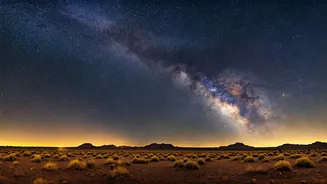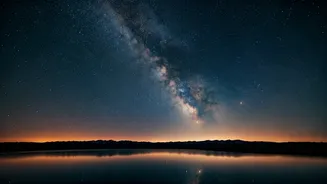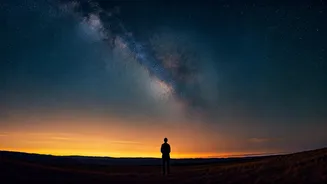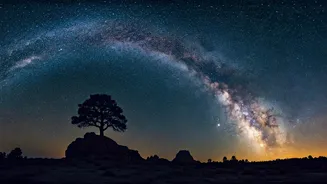




More Than Just Stargazing
Let’s get one thing straight: star bathing isn’t a complicated new wellness fad requiring special equipment or a guru. Think of it as the nocturnal cousin of “forest bathing,” or shinrin-yoku, the Japanese practice of immersing yourself in nature. This
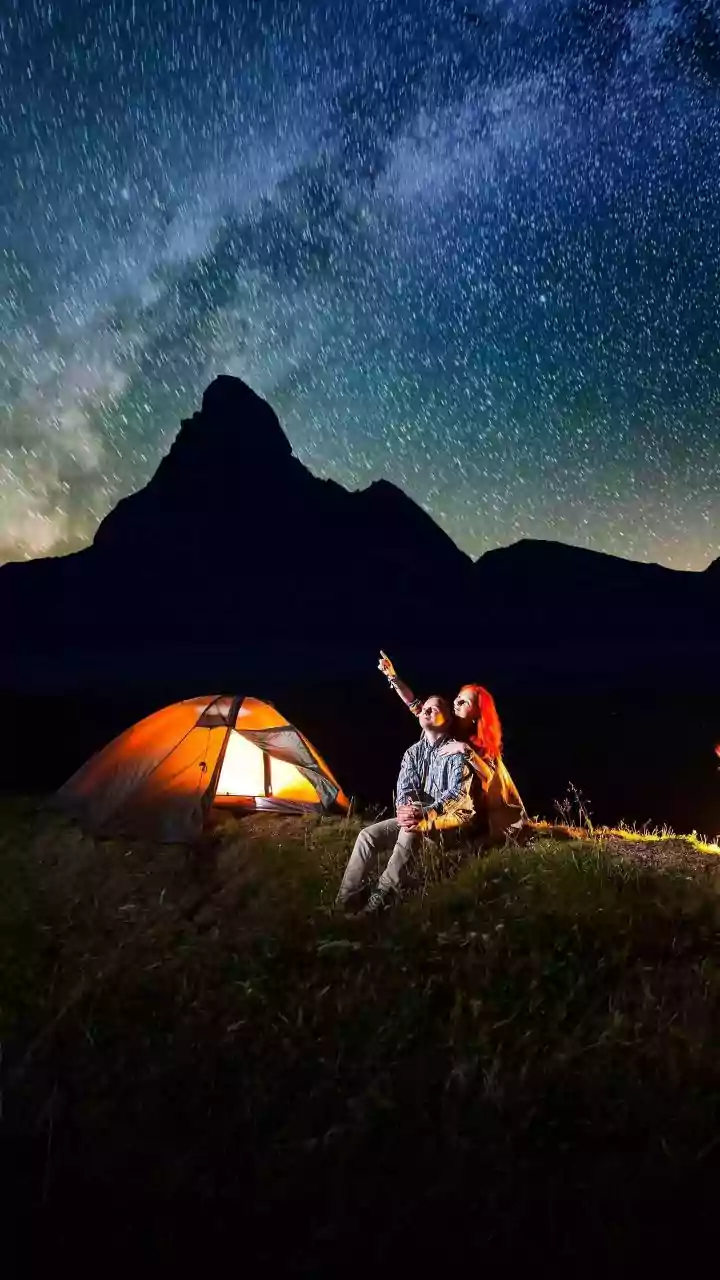
isn’t about amateur astronomy, identifying every constellation, or tracking satellites. It’s about presence. Star bathing is the simple, intentional act of finding a dark place, turning off your phone, and allowing yourself to be fully enveloped by the night sky. It’s an exercise in stillness and perspective, a sensory experience designed to quiet the noise of modern life by replacing it with the profound silence of the cosmos.
The Ultimate Antidote to Screen Time
The phrase “perfect right now” hits hard because our lives are governed by glowing rectangles. We work on screens, socialize on screens, and unwind by scrolling through more screens. This relentless digital deluge contributes to anxiety, fractured attention, and a pervasive sense of being overwhelmed. Star bathing offers a radical, almost laughably simple counter-proposal. It replaces the artificial blue light of a phone with the ancient, scattered light of distant suns. It trades the endless scroll of bad news and curated perfection for the slow, majestic rotation of the galaxy. By physically removing yourself from sources of light pollution and digital distraction, you create a space for your mind to decompress in a way that binge-watching a new series simply cannot replicate.
The Very Real Science of Awe
The feeling you get when you stare up at a truly dark, star-filled sky isn’t just poetic; it’s psychological. Researchers call it “awe,” the emotion we experience in the presence of something vast that transcends our normal frame of reference. Studies have shown that experiencing awe can have tangible benefits. It has been linked to decreased stress, increased feelings of connection to others, and a greater sense of well-being. By confronting the sheer scale of the universe, our own anxieties and daily dramas shrink in comparison. This phenomenon, known as the “small self,” helps us re-contextualize our problems. Suddenly, that stressful work email or social slight feels significantly less monumental when you’re contemplating a galaxy 2.5 million light-years away.
How to Find Your Celestial Sanctuary
The biggest barrier to a good star bath is light pollution. For most Americans living in or near cities, the night sky is a washed-out blanket of orange-gray haze. But finding darkness is easier than you might think. A 30- to 60-minute drive away from a major urban center can make a world of difference. Look for state parks, national forests, or even quiet rural roads. For a truly sublime experience, consider a trip to an official Dark Sky Park, designated by the International Dark-Sky Association. Places like Big Bend National Park in Texas or Headlands International Dark Sky Park in Michigan offer breathtaking views of the Milky Way. Use a light pollution map online to find dark zones near you. The goal is to find a spot where the darkness feels as immersive as the light.
The Simple Rules of Immersion
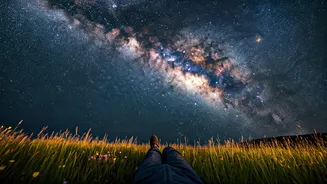
Once you’ve found your spot, the “how” is beautifully straightforward. Dress warmly, even in summer, as nights can get cool. Bring a blanket or a comfortable chair you can recline in. Most importantly, commit to turning your devices off—or at least putting them in airplane mode. Your eyes need about 20 to 30 minutes to fully adjust to the dark, and a single glance at a bright screen will reset the process. Don’t worry about knowing what you’re looking at. Just lie back and observe. Notice the different brightness of the stars, the occasional streak of a meteor, the deep, velvety blackness between the points of light. Pay attention to the sounds and smells of the night. The point isn’t to analyze; it’s to absorb.