


Beyond-Fresh Flavor
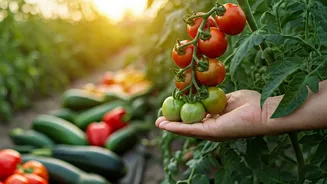
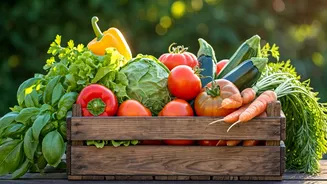
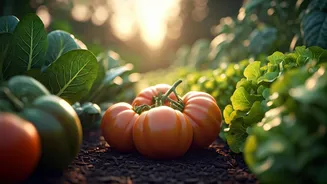
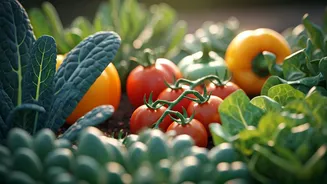
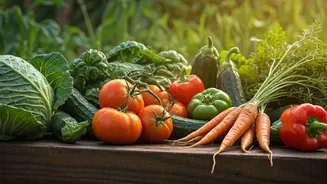
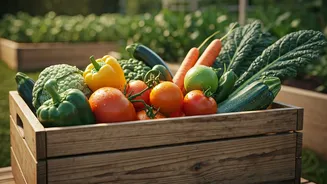
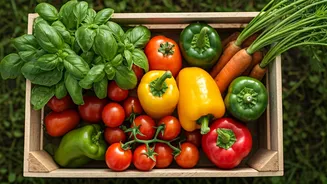
The first and most immediate reward of a vegetable garden is taste. There is a profound difference between a tomato picked at peak ripeness, still warm from the sun, and one that was harvested weeks early, gassed to turn red, and shipped hundreds of miles.
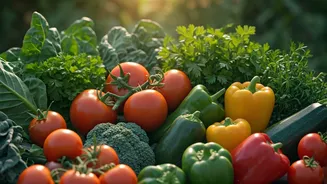
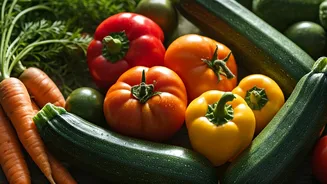
Produce from your own garden contains higher sugar content and a more complex flavor profile because it’s allowed to mature fully on the vine. Supermarket vegetables are often bred for durability and uniformity, not taste. When you grow your own, you can choose heirloom varieties known for their exceptional flavor, from spicy arugula to sweet, candy-like carrots. This isn't just about food; it's about experiencing what food is supposed to taste like. Every salad, sauce, and side dish becomes an event.
The Grocery Bill Shrinker
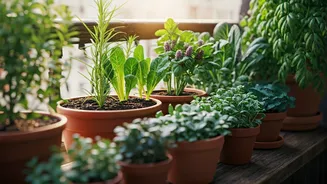
While there’s an initial investment in soil, seeds, and perhaps a few containers, a well-managed vegetable garden can deliver a significant return. A single packet of lettuce seeds, costing a few dollars, can produce months of fresh salads, saving you from buying expensive plastic clamshells of mixed greens. One zucchini plant can famously overwhelm a small family. Herbs like basil, mint, and rosemary, which are pricey in small plastic packages at the store, can be grown in abundance for pennies. The savings are especially noticeable with organic produce. By controlling the soil and avoiding synthetic pesticides yourself, you can grow food that meets organic standards without the premium price tag. Over a season, the small savings add up, making your green corner a surprisingly effective financial tool.
Your Hyperlocal Food System
In an age of global supply chains, there’s something deeply satisfying about a 'food mile' count of zero. Your backyard or balcony becomes a tiny, self-sufficient farm. This has a real environmental impact. You eliminate the carbon footprint associated with transportation, refrigeration, and packaging. You also have complete control over what goes into your food—and what stays out. Concerns about pesticide residue or foodborne illnesses from large-scale agriculture fade away when you are the farmer. By composting kitchen scraps to feed your garden soil, you can also reduce household waste, creating a closed-loop system that is both sustainable and incredibly efficient. It’s a small-scale act of environmental stewardship that feels both empowering and tangible.
A Dose of Dirt Therapy
The benefits of gardening extend far beyond the plate. The simple act of tending to plants can be a powerful form of stress relief. It encourages mindfulness, pulling you away from screens and into the physical world. Studies have shown that interacting with soil—specifically the bacterium *Mycobacterium vaccae*—can trigger the release of serotonin in the brain, working as a natural antidepressant. The gentle, repetitive tasks of watering, weeding, and harvesting provide a calming rhythm to your day. Watching a tiny seed sprout and grow into a productive plant offers a unique sense of accomplishment and a connection to natural cycles. In a fast-paced world, a garden is a quiet space for reflection and a reminder that good things take time.
It’s More Accessible Than Ever
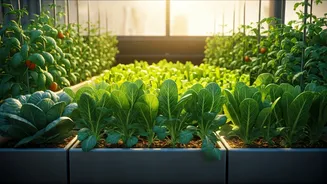
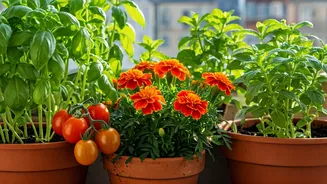
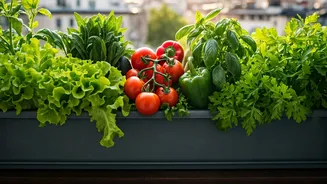
The image of a sprawling, back-breaking farm plot is outdated. Modern gardening is about working with the space you have. Don't have a yard? A sunny balcony can support a vibrant container garden of tomatoes, peppers, and herbs. Short on space? Vertical gardening systems allow you to grow upward, producing a surprising amount of food in a small footprint. Have bad soil or a bad back? Raised beds bring the garden up to a comfortable height and let you control the soil quality completely. From self-watering planters to compact dwarf varieties of popular vegetables, the tools and techniques available today have democratized gardening. You don’t need a green thumb or a half-acre lot—just a willingness to get your hands a little dirty and a desire for a delicious, practical upgrade.