


The Mango You Don't Know
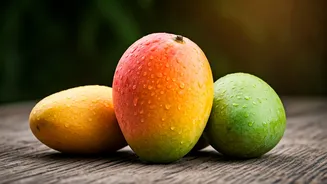
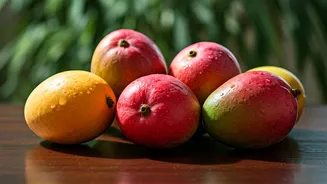
Walk into a typical American grocery store and you’ll likely find one type of mango: the Tommy Atkins. It’s large, red-blushed, and sturdy—perfect for surviving a long journey from South America. It’s dependably sweet, but to a mango connoisseur, it’s
the equivalent of a generic table wine. For them, the real excitement lies in the complex, fragrant, and fleeting world of Indian mangoes, which are becoming more accessible in the U.S. than ever before. This isn’t just a matter of taste; it’s a cultural phenomenon. The annual arrival of mango shipments from India marks a season of celebration, particularly within Indian-American communities. The excitement isn’t for just any mango, but for specific, named varieties that carry the weight of history, geography, and memory. This is where names like Zardalu and Banganapalli enter the conversation, transforming a simple fruit into a cherished piece of heritage.
The Royal One: Banganapalli
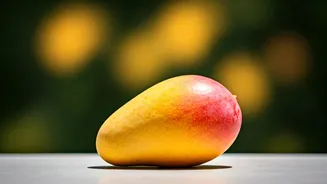
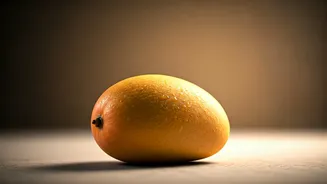
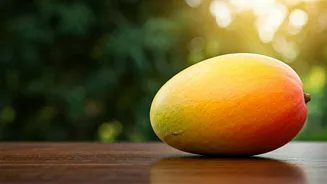
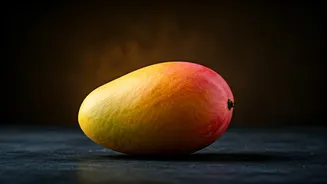
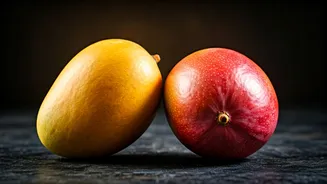
Let’s start with the Banganapalli, often called the “King of Mangoes” in its native region of Andhra Pradesh, India. If you’re used to the fibrous texture of a Tommy Atkins, your first Banganapalli will be a revelation. It’s almost entirely fiberless, with a custardy, buttery flesh that melts in your mouth. Its flavor is a pure, honeyed sweetness, lacking the slight piney or tart notes of other varieties. The skin is a uniform, pale yellow when ripe, and the fruit itself is large and obliquely oval. Its history is as rich as its flavor. Named after the town of Banganapalle, it has been cultivated for over a century and even earned a Geographical Indication (GI) tag, a status similar to Champagne in France, signifying its unique origin. For many from southern India, the taste of a Banganapalli is the taste of summer, of childhood, and of home. It’s not just a fruit; it’s a nostalgic experience packed into a three-pound package.
The Aromatic Heirloom: Zardalu
Travel north in India to the state of Bihar, and you’ll find the Zardalu mango, another GI-tagged treasure. Unlike the Banganapalli’s straightforward sweetness, the Zardalu is known for its intoxicating aroma and a more complex, sweet-tart flavor profile. The name ‘Zardalu’ comes from the Persian word for a yellow plum, hinting at its distinctive color and fragrance. It’s smaller, with a thinner skin, making it more delicate and prized. The experience of a Zardalu mango begins before you even take a bite. Its powerful, sweet scent can fill a room, a characteristic that makes it a favorite for desserts and juices, though purists insist it’s best eaten fresh. This is the mango that people talk about in poetic terms, a fruit so special that it’s traditionally sent as a gift between dignitaries in India.
How Pride Went ‘Local’
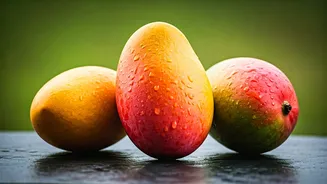
So, how does this “pride go local” in the United States? It’s not about American farms suddenly growing these varieties. The “local” here refers to the community. The distribution chain is often a grassroots effort. Indian grocery stores are the primary hubs, but the real action happens in community WhatsApp groups and Facebook pages. Someone announces, “The Banganapalli container has cleared customs!” and a frenzy of pre-orders begins. Families buy not just one or two mangoes, but entire cases of 6, 12, or even 18. The arrival of the boxes is an event. People share photos of their haul, post reviews of the season’s sweetness, and trade tips on how to tell if a mango is perfectly ripe. This hyper-local, community-driven network ensures that the passion for these specific mangoes thrives thousands of miles from their native soil. It’s a shared ritual that strengthens community bonds as much as it satisfies a craving.