



Kokum: The Tangy, Ruby-Red Refresher
Imagine a drink that’s both tangy and subtly sweet, with a deep, ruby-red hue that looks as refreshing as it tastes. That’s Kokum Sherbet. Made from the dried rind of the Garcinia indica fruit, a relative of the mangosteen native to India’s western coast,
kokum has been a staple in the region’s kitchens for generations. It’s not just about flavor; it’s about function. Traditionally, kokum is celebrated for its cooling properties, making it a go-to antidote for sweltering humidity. The preparation is simple: the dried, leathery rinds are soaked in water to release their essence, which is then sweetened with a touch of sugar or jaggery and sometimes spiced with a pinch of cumin or black salt. The resulting concentrate, mixed with chilled water, creates a beverage that cuts through the heat like nothing else. Beyond its use as a drink, the souring agent is a key ingredient in coastal curries, lending a unique tartness that can’t be replicated by lime or tamarind. For the uninitiated American palate, think of it as a more complex, earthy cranberry juice, but with a profile that’s distinctly its own.
Sattu: The Original Protein Shake
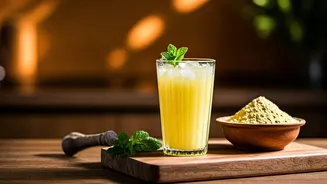
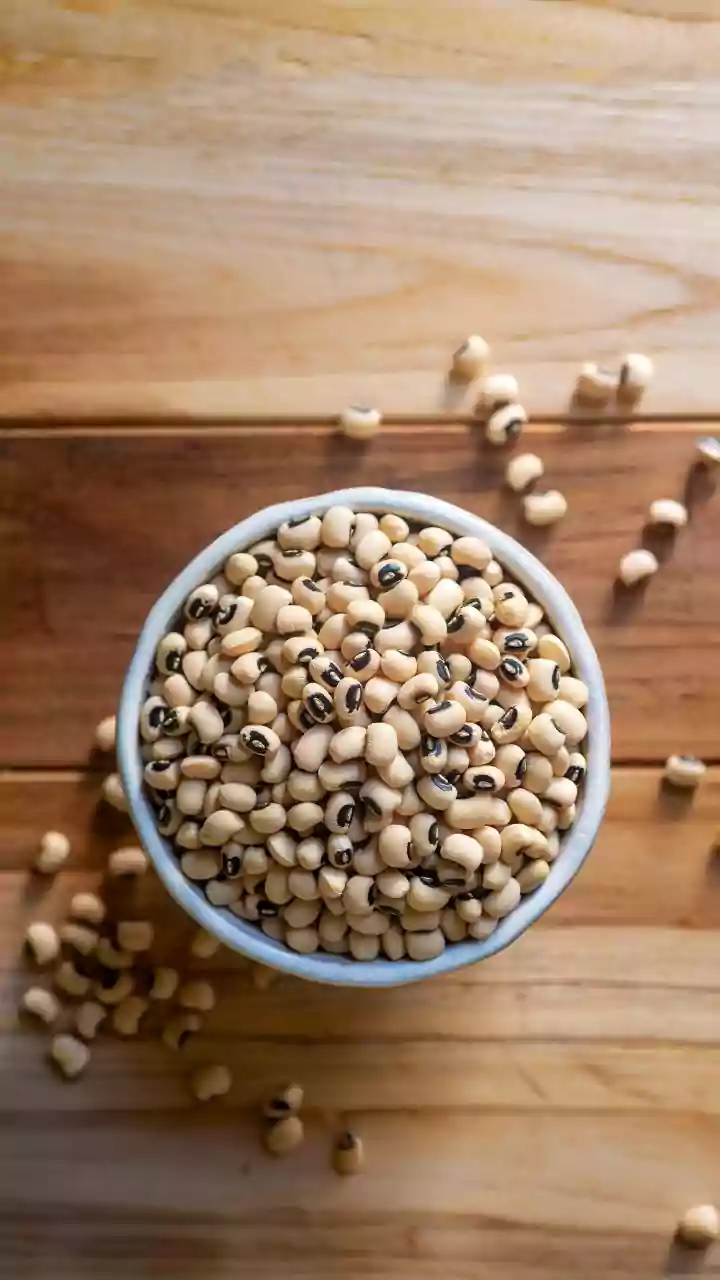
Long before whey protein powders and post-workout smoothies became a billion-dollar industry, there was sattu. This humble, nutrient-dense flour, made from roasted Bengal gram (kala chana) or a mix of roasted pulses and cereals, is a powerhouse of nutrition that has sustained generations in the Indian states of Bihar, Jharkhand, and Uttar Pradesh. Often called the “poor man’s protein,” sattu is now being rediscovered by wellness enthusiasts as a natural, plant-based superfood. Its preparation is brilliantly simple and versatile. For a savory, hydrating drink perfect for a scorching afternoon, sattu flour is whisked into cold water with lemon juice, black salt, and roasted cumin powder. It’s earthy, nutty, and incredibly satisfying. For a sweet version, it can be mixed with milk or water and jaggery, creating a nourishing breakfast or energy drink. What makes it so effective for summer? The roasting process makes the nutrients easily digestible, and it's rich in insoluble fiber, which aids digestion. Furthermore, it provides slow-release energy, preventing the slumps that often come with high heat, and is known for its incredible cooling effect on the body. It’s the ultimate proof that sometimes the simplest foods are the most profound.
Aam Panna: The Ultimate Green Mango Elixir
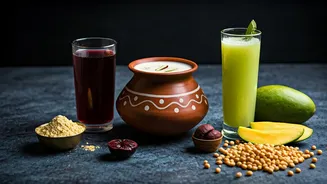
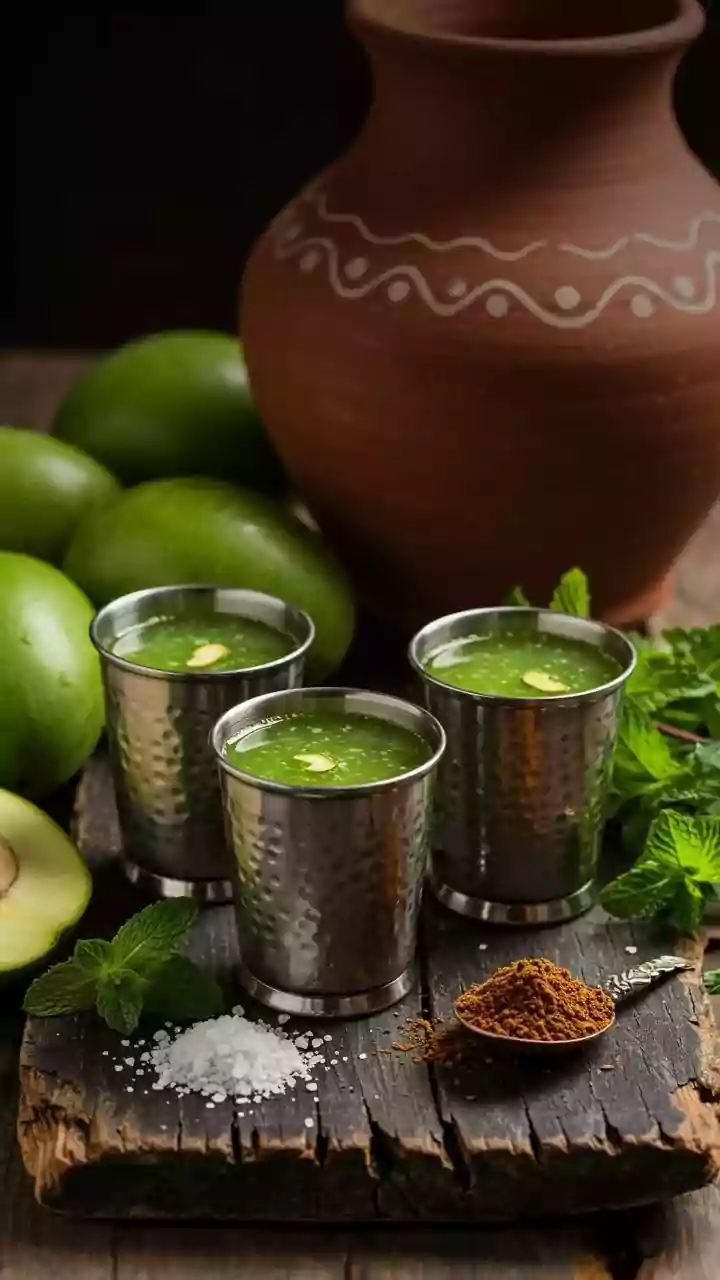
If summer in India had an official flavor, it might just be the raw, green mango. Aam Panna, a drink made from the pulp of these unripe fruits, is the quintessential Indian summer cooler. It’s a masterful blend of tart, sweet, and spicy that’s designed to replenish electrolytes and combat the dehydrating effects of extreme heat. The process begins by boiling or roasting unripe mangoes until the pulp is soft. This pulp is then blended with water, sugar or jaggery, and a signature mix of spices—typically roasted cumin, black salt (kala namak), and fresh mint. The result is a drink that hits every note on the palate. The initial tang of the raw mango gives way to a mellow sweetness, followed by the smoky depth of cumin and a refreshing finish from the mint. Traditionally, Aam Panna is considered a delicious remedy to prevent heat stroke, thanks to its ability to rehydrate and restore the salt lost through excessive sweating. It’s a beverage born of necessity, crafted to make the harshest season not just bearable, but enjoyable. For anyone tired of overly sweet, one-dimensional summer drinks, Aam Panna is a revelation—a complex, invigorating, and utterly delicious taste of the Indian summer.