



A Pandemic-Fueled Health Awakening
The global pandemic acted as a massive catalyst for health consciousness everywhere, but in India, it supercharged an existing trend. With a cultural history rooted in Ayurvedic principles that link digestion to overall vitality, the modern concept of
“gut health” found fertile ground. The pandemic’s focus on immunity gave consumers a compelling reason to look beyond sugary sodas and juices. Suddenly, terms like ‘probiotics,’ ‘fermentation,’ and ‘microbiome’ started migrating from niche wellness blogs to mainstream consumer conversations. This wasn’t just a fleeting fad; it represented a fundamental shift in how millions of Indians think about what they drink, prioritizing long-term functional benefits over short-term refreshment.
New Brews Meet Urban Tastes
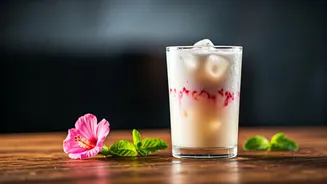
Tapping into this new awareness is a burgeoning industry of startups, many founded by young entrepreneurs who discovered gut-friendly drinks abroad. Kombucha, the fermented tea that became a staple in American health food stores, is now a common sight in Indian metros. Brands with names like Toyo, Comm-Bucha, and Borecha are crafting small-batch brews infused with local flavors like jamun (black plum), kokum, and hibiscus. These products are positioned as premium, aspirational alternatives to traditional soft drinks, appealing to a growing urban middle class with disposable income and a globalized palate. They are sold online, in specialty stores, and increasingly, in upscale cafes, creating a new category of beverage that feels both modern and genuinely healthy.
Rediscovering Traditional Elixirs
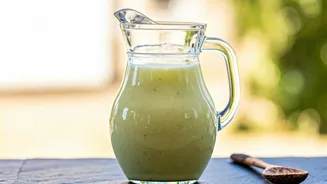
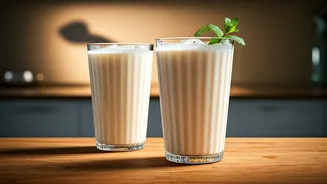
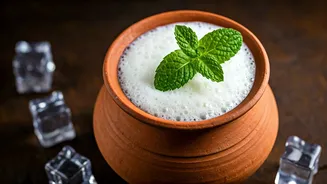
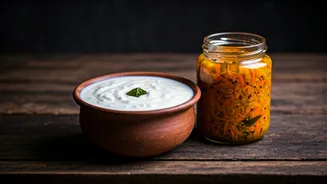
What makes the Indian trend particularly fascinating is that it’s not just about adopting Western wellness fads. It’s also about rediscovering and rebranding traditional Indian drinks that have been gut-friendly for centuries. Chaas (a spiced buttermilk), Lassi (a yogurt-based drink), and Kanji (a fermented drink made from black carrots) are all naturally rich in probiotics. For generations, they were homemade staples. Now, companies are packaging them for the modern consumer, often with slick marketing that highlights their digestive benefits. This revival allows consumers to connect with their cultural heritage while embracing the modern wellness movement. It’s a powerful combination of nostalgia and science, proving that the solution to a modern problem was often sitting in grandma’s kitchen all along.
Big Brands Take Notice
Where startups lead, corporate giants follow. The rapid growth of the functional beverage market hasn’t gone unnoticed by legacy players. Large dairy companies like Amul and Mother Dairy are expanding their lines of probiotic yogurts and chaas. Global beverage corporations are also entering the fray, either by acquiring successful startups or by launching their own “gut-friendly” product lines. We're seeing the introduction of drinks fortified with prebiotics and fiber, designed to compete directly with the new wave of fermented beverages. This corporate interest legitimizes the trend, moving it from a niche market to a mainstream consumer category and ensuring that beverages designed for gut health will be a permanent fixture in the Indian marketplace.