






The Real Question: To Drive or Not to Drive?
The single most important monsoon question isn’t about your car or your driving skill. It’s this: Should you even be on the road? When a severe storm hits, the safest answer is almost always no. The smartest move any driver can make is to postpone their
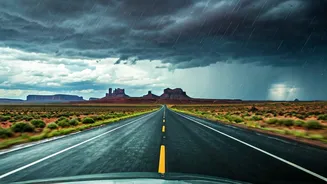
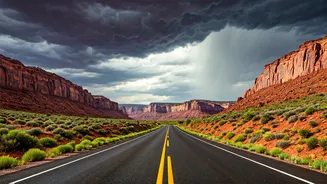
trip or pull over safely and wait for the storm to pass. A monsoon storm is not a typical rain shower; it's a powerful, unpredictable weather event that can overwhelm roads and drivers in an instant. Your visibility can drop to zero, and familiar roads can become deadly traps. Before you try to power through, ask yourself if your destination is worth risking your life. In nearly every case, it is not. Patience is your greatest safety tool.
The Wall of Dust: Navigating a Haboob
Often, the first sign of a monsoon is a massive, rolling wall of dust known as a haboob. These dust storms can reduce visibility to near zero in seconds, creating incredibly dangerous driving conditions. If you see one approaching, do not try to drive through it. The Arizona Department of Transportation’s advice is simple and life-saving: “Pull Aside, Stay Alive.” Immediately check traffic around you, begin to slow down, and pull your vehicle as far off the pavement as possible. Once you’ve stopped, turn off all your lights—including headlights and brake lights. Keeping your lights on can confuse other drivers into following you off-road. Set your emergency brake, take your foot off the brake pedal, and wait for the storm to pass. Don’t get back on the road until you can see clearly again.
The Danger of Water on the Road
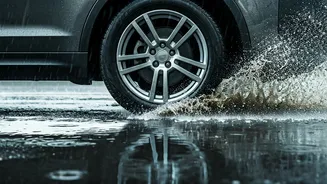
Once the rain begins, it often comes in a torrential downpour, leading to another major hazard: hydroplaning. This occurs when a layer of water builds up between your tires and the road surface, causing a loss of traction and control. It can happen at speeds as low as 35 mph. To avoid it, slow down significantly on wet roads. If you feel your car start to hydroplane, do not slam on the brakes or jerk the steering wheel. Instead, ease your foot off the accelerator and steer gently in the direction you want the front of the car to go. As your car slows, the tires should regain contact with the pavement. The best prevention is simple: reduce your speed and increase your following distance the moment rain starts to fall.
Turn Around, Don't Drown
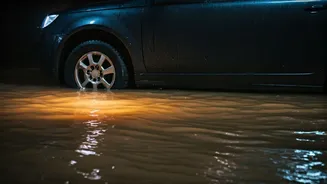
This phrase, promoted by the National Weather Service, is the golden rule of monsoon driving. Flash floods are the number one weather-related killer in the United States, and most of these deaths occur in vehicles. It takes just six inches of moving water to knock an adult off their feet and only one foot of water to sweep a vehicle away. You can never be sure how deep the water is or if the road underneath has been washed out. Washes and low-lying areas that are normally dry can become raging torrents in minutes. If you encounter a flooded roadway, your only safe option is to turn around and find an alternate route. It may make you late, but it could save your life.
Before You Even Leave the House
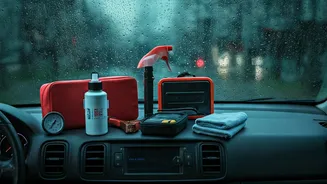
Proper preparation starts before you put the key in the ignition. During monsoon season, your car needs to be ready for the worst. Check your tire pressure and tread regularly; worn tires are far more likely to hydroplane. Ensure your windshield wipers are in excellent condition. Old, cracked wipers will smear water across your windshield, destroying what little visibility you have. Finally, always check the weather forecast before heading out. If severe storms are predicted, the best decision is to stay home. Keep an emergency kit in your car with water, snacks, a first-aid kit, and a flashlight, just in case you do get stranded.