



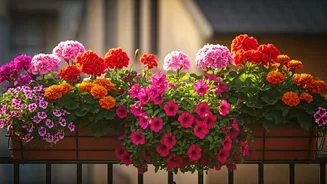
1. Choose High-Impact, Low-Fuss Flowers
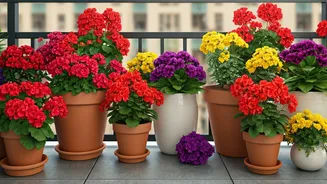
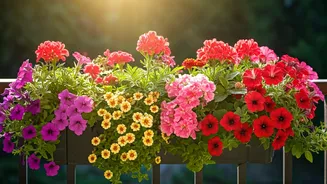
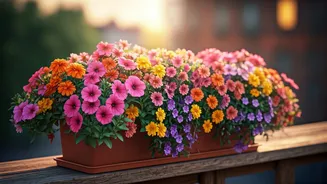
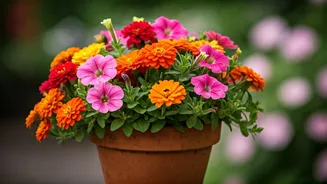
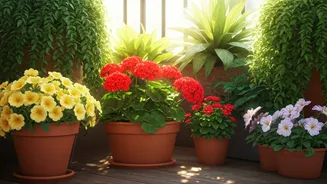
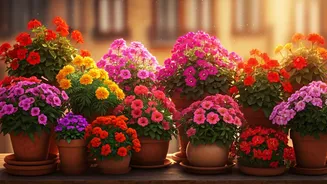
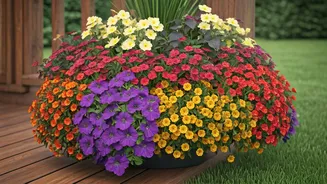
The fastest way to inject color is with flowers, but the key to low stress is picking the right ones. Forget delicate, finicky blooms that require constant attention. Instead, opt for hardy annuals that thrive in containers and tolerate a bit of neglect.
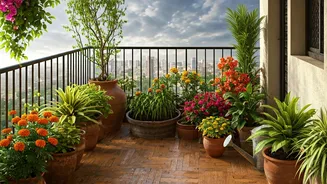
Geraniums are a classic for a reason: they offer bold reds, pinks, and whites and can handle full sun. Supertunias are another powerhouse, cascading over the sides of pots with a profusion of color all summer long. Marigolds add pops of orange and yellow while also helping to deter pests. These plants are bred to bloom prolifically with minimal deadheading, giving you maximum color for minimum effort.
2. Pick the Right Pot From the Start
The number one stressor for balcony gardeners is watering. Tiny pots dry out in a matter of hours on a hot day, creating a cycle of daily panic. Solve this by choosing larger containers than you think you need. A bigger pot holds more soil, which in turn holds more moisture, creating a buffer against drying out. For a truly hands-off approach, invest in self-watering planters. These containers have a built-in reservoir at the bottom that wicks water up to the plant's roots as needed. You might only need to fill the reservoir once a week instead of watering daily, effectively eliminating the biggest source of garden-related anxiety.
3. Think Beyond Blooms With Colorful Foliage
Flowers are fleeting, but foliage can provide season-long color. Integrating plants with vibrant leaves ensures your balcony looks lush and interesting even when flowers aren't in bloom. Coleus is the undisputed king of colorful foliage, with varieties in shocking pink, deep burgundy, lime green, and psychedelic patterns. They do well in shade or partial sun, brightening up corners where flowers might struggle. Sweet potato vine is another excellent choice, offering trailing tendrils of chartreuse or near-black leaves that spill beautifully from hanging baskets and planters. Heuchera, or coral bells, offers ruffled leaves in shades of purple, amber, and bronze, providing a sophisticated, textured look.
4. Feed Your Plants the Easy Way
Container plants are completely dependent on you for nutrients. Forgetting to fertilize can lead to sad, yellowing leaves and sparse blooms. But you don't need a complicated feeding schedule. Simplify the process by incorporating a slow-release fertilizer into your potting soil when you first plant. These granular fertilizers are coated to break down gradually over several months, delivering a steady stream of nutrients to your plants every time you water. It’s a “set it and forget it” approach that ensures your plants are well-fed without you having to mix liquid fertilizer every few weeks.
5. Use Vertical Space for Drama
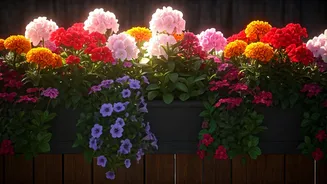
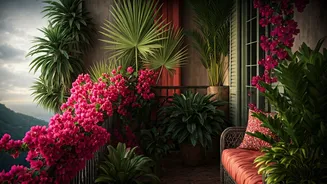
Most balconies have more vertical real estate than floor space. Going up not only maximizes your growing area but also creates a more immersive, vibrant feel. Install a simple trellis against a wall for a climbing plant like clematis or an annual vine like black-eyed Susan vine. Use railing planters to draw the eye upward and free up floor space. A tiered plant stand can hold multiple pots in a small footprint, creating a dense, jungle-like effect. This strategy makes the garden feel more expansive and lush while keeping the footprint manageable and easy to care for.
6. Add Pops of 'Permanent' Color
Finally, reduce your reliance on plants for every bit of color. Integrate colorful, weatherproof decor that looks great year-round and requires zero maintenance. Choose a brightly colored ceramic pot as a statement piece. Add vibrant outdoor cushions to your chairs. Hang a string of solar-powered bistro lights for evening ambiance. A small, colorful outdoor rug can define the space and add a huge dose of personality. These elements provide a constant baseline of color, meaning your balcony will still feel cheerful and inviting during the off-season or if a plant is having a bad week.