



Why June is the Magic Month
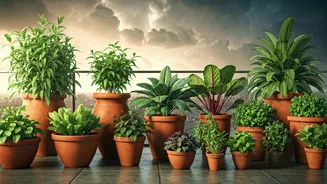
Think of June as the sweet spot for plant maintenance. Your plants have likely put on a big burst of growth in the spring, and now they're settling into the season. Pruning now, before the intense heat of July and August arrives, allows them to recover
quickly. It's not about a drastic overhaul; it's about strategic editing. By trimming in June, you are redirecting the plant's energy. Instead of supporting leggy stems or spent flowers, the plant can focus on producing new blooms, bushier foliage, or more delicious fruit. It also improves air circulation, which is critical in the often-crowded environment of a container garden, helping to prevent common fungal diseases that thrive in stagnant, humid air.
The Minimalist Balcony Toolkit
You don't need a massive arsenal of tools for balcony pruning. In fact, you can get most jobs done with just two or three key items. First, a good pair of micro-tip pruning snips or sharp floral scissors. These are perfect for the delicate work of deadheading flowers and pinching back herbs. For anything thicker than a pencil, a pair of bypass pruners is essential. Unlike anvil pruners which crush stems, bypass pruners make a clean, scissor-like cut that heals faster and reduces the risk of disease. Before you start, always sterilize your tools by wiping the blades with rubbing alcohol. This simple step prevents the spread of pathogens from one plant to another, a crucial precaution in a dense planting.
Taming Your Herbs
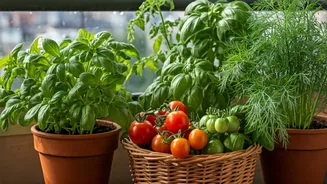
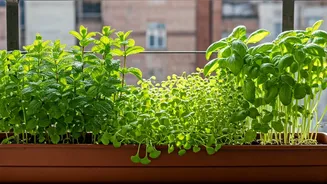
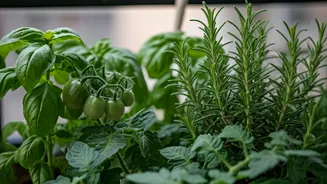
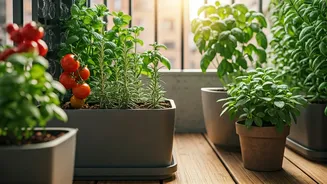
June is prime time for harvesting and shaping your herbs. For bushy herbs like basil, mint, and oregano, regular trimming is the secret to a season-long supply. Don't just pick off individual leaves; snip the top few inches of a stem, right above a set of leaves. This encourages the plant to branch out from that point, creating a fuller, more productive plant instead of a single, lanky stalk. For woody herbs like rosemary and thyme, you can give them a light trim to maintain their shape and remove any dead or spindly growth. The best part? Every cut you make is a fresh ingredient for your kitchen.
Boosting Blooms on Flowers
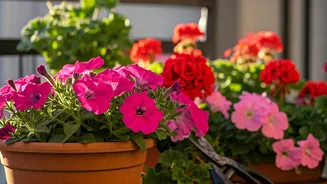
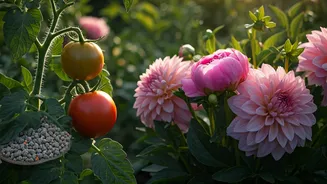
To keep your flowering annuals like petunias, marigolds, and geraniums looking their best, a practice called “deadheading” is your best friend. It’s the simple process of removing spent flowers. Once a flower starts to fade, the plant’s energy shifts to producing seeds. By snipping off the old bloom (and the little stem it’s on), you trick the plant into producing more flowers instead. For vining plants, you can also pinch back the tips of long, trailing stems to encourage them to become bushier and produce more lateral growth, leading to a fuller, more flower-packed container.
Managing Your Edibles
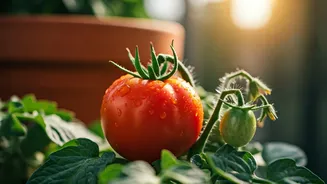
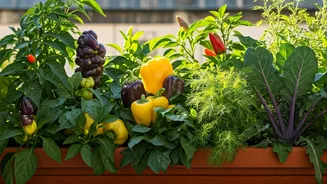
If you’re growing vegetables like tomatoes or peppers, June pruning is about maximizing your harvest. For indeterminate tomato varieties (the vining kind), look for “suckers”—the small shoots that appear in the crook between the main stem and a branch. Removing these allows the plant to put its energy into the main stems and fruit production, rather than excess foliage. It also improves airflow, which is key for preventing blight. For peppers and eggplants, a light trim to remove some of the lower leaves can also help with air circulation and allow more sunlight to reach the developing fruits. Just be careful not to remove too much foliage, as leaves are essential for photosynthesis and help protect the fruit from sun-scald.