




The Kitchen's Most Underrated Asset
Let’s be honest, the American kitchen produces a mountain of waste. We’re talking about the 30-40% of the food supply that ends up uneaten, with fruits and vegetables being major contributors. In that context, seeing potential in something as humble as a mango
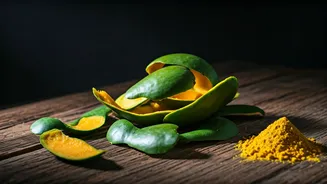
peel feels less like a quirky fad and more like a quiet act of rebellion against waste. And it turns out, the peel is where a lot of the good stuff is hiding. Mango skins are packed with fiber, vitamin C, vitamin A, and a host of powerful antioxidants like mangiferin, which are often more concentrated in the peel than in the flesh. Tossing the peel isn't just discarding a wrapper; it's discarding nutrients and, as a growing number of home cooks are discovering, a surprising amount of flavor.
Okay, But Is It Actually Edible?
Yes, but let’s manage expectations. A raw mango peel isn't going to have the same tender, honeyed sweetness as the fruit. The texture is tougher and more fibrous, and the taste carries a slightly bitter, tannic note, similar to a citrus peel or a very firm grape skin. It’s a grown-up flavor, complex and a little challenging. The key is preparation and selection. First, always opt for organic mangoes if you plan to eat the skin, as this minimizes your exposure to pesticides. Wash them thoroughly, regardless. Second, some mango varieties work better than others. Thin-skinned types like the Ataulfo (or honey mango) are more palatable than the thicker-skinned, more fibrous Tommy Atkins variety that’s common in U.S. supermarkets. Think of it not as something to munch on like an apple, but as a potent flavor-enhancer.
From Scrap to Star Ingredient
So how do you actually use it? Forget trying to chew on a whole peel. The magic is in transforming it. One of the easiest entry points is to turn it into a zesty, spicy, and sour garnish. Finely julienne the washed peel of an unripe or semi-ripe mango, and toss it with lime juice, salt, and a pinch of chili powder. Let it sit for about 20 minutes; the acid will soften the peel slightly, creating a fantastic, punchy topping for tacos, salads, or grilled fish. Another brilliant move is to blend it. If you have a high-powered blender, adding a piece of clean mango peel to your morning smoothie adds a boost of fiber and a complex, tangy flavor that cuts through the sweetness. You can also dehydrate the peels until they’re crispy (in a low oven or dehydrator), then blitz them in a spice grinder with salt and sugar to make a unique 'mango salt' to rim cocktail glasses or sprinkle over fruit.
Embracing the No-Waste Mindset
The mango peel revelation isn't just about one fruit. It’s part of a larger, empowering shift in home cooking. It’s about seeing the whole vegetable or fruit for its potential. It’s the same impulse that turns broccoli stems into delicious slaw, carrot tops into pesto, and stale bread into panzanella. This approach doesn't just save a little money and reduce your carbon footprint; it unlocks a new layer of creativity in the kitchen. It forces you to think like a chef, asking, 'What can this ingredient do?' instead of just following a recipe to the letter. It’s about finding value where you thought there was none and, in the process, discovering flavors you never knew were being thrown away.