



The Sticker Shock in Aisle Five
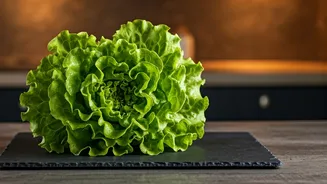
It starts with a subtle wince at the grocery store. The price tag on a clamshell of spring mix or a head of romaine seems to creep up with unnerving regularity. What was once a cheap, abundant staple now feels like a discretionary purchase. This isn't
just your imagination. A convergence of factors—droughts and unseasonable weather in agricultural hubs like California and Arizona, soaring transportation costs, and broad inflation—has turned the produce aisle into a source of financial anxiety. Leafy greens, with their high water content and sensitivity to temperature, are particularly vulnerable to these disruptions. When a heatwave decimates a crop or fuel prices spike, the cost is passed directly to the consumer, turning a simple Caesar salad into a line item you actually have to budget for. This economic pressure is the first pillar supporting lettuce’s climb to luxury status; when a basic good becomes expensive, it ceases to be basic.
A Crisis of Trust
Beyond the price, there’s the trust issue. It feels like every few months, another news alert flashes across our screens: a multi-state E. coli outbreak linked to romaine lettuce or a salmonella recall on bagged salads. These incidents have created a pervasive sense of unease. We wash, we rinse, we buy organic, but the doubt lingers. Is this safe to eat? The industrial food system, for all its efficiency, has a fragility that these recalls expose. The journey from a massive farm to a sealed plastic bag involves countless opportunities for contamination. For many, the mental calculus has shifted. The convenience of pre-washed greens is no longer worth the low-grade anxiety that comes with it. This erosion of trust makes controlling your food source an act of self-preservation. When you can’t fully trust what’s on the shelf, the ultimate peace of mind comes from knowing exactly where your food originated—ideally, from your own kitchen.
The Rise of the Countertop Farm
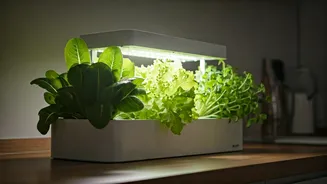
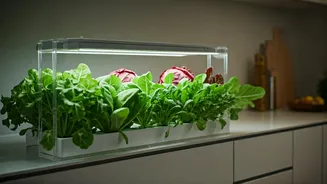
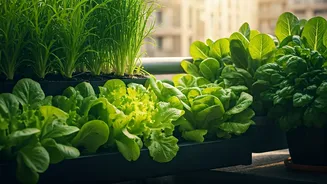
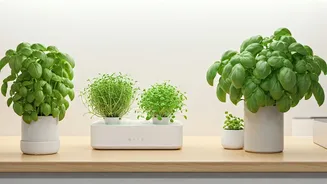
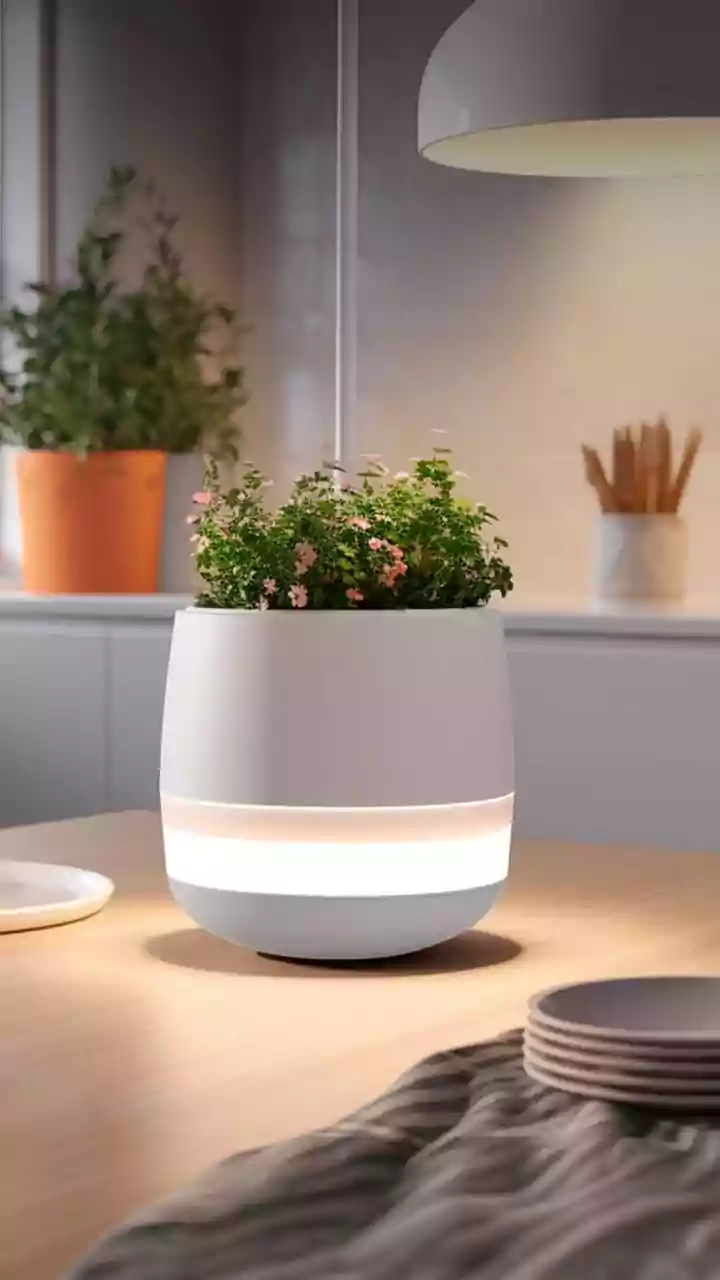
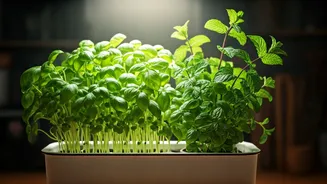
This desire for control has fueled a booming market for at-home gardening solutions that go far beyond a simple pot of basil on the windowsill. Companies like AeroGarden, Gardyn, and Lettuce Grow are selling sleek, self-contained hydroponic and aeroponic systems that promise a perfect harvest with minimal effort. These aren’t your grandma’s vegetable patches; they are tech-infused towers and pods that use LED lights and automated water circulation to grow pristine produce year-round, no soil or sunlight required. They’re marketed not just as a way to get fresh food, but as a lifestyle upgrade—a beautiful, living appliance that delivers flavor and food security. Owning one is a statement. It says you have the resources (these systems can cost several hundred dollars) and the foresight to opt out of the conventional grocery cycle, at least for your greens. The ability to snip off a few leaves of butter lettuce for a sandwich, fresh and untainted, is the new pinnacle of convenience and assurance.
A Different Kind of Status Symbol
Ultimately, the elevation of lettuce to a luxury item isn't about conspicuous consumption in the traditional sense. You’re not wearing it or driving it. Instead, it’s a status symbol for a new era, one defined by wellness, preparedness, and quiet control. In a world that feels increasingly unpredictable—from public health crises to volatile markets—managing your own small patch of the food chain is a powerful act. It’s a tangible connection to what you eat, a rejection of impersonal supply chains, and a guarantee of freshness that no grocery store can match. The true luxury isn't the lettuce itself, but the resilience it represents. It’s the ability to provide something clean, healthy, and reliable for yourself and your family, independent of the complex systems we all depend on. That feeling of self-sufficiency, even on a small scale, is a profound comfort—and in today’s world, comfort is the greatest luxury of all.