




Why Your Gut Feels Sluggish
Ever notice you feel a bit more bloated or slow during a long stretch of damp, humid weather? You’re not imagining it. According to Ayurveda, the traditional Indian system of medicine, the monsoon season can weaken our digestive fire, or *agni*. The damp, cool
environment makes our bodies work harder to break down food. This is why heavy, oily, and cold foods can suddenly feel like a lead weight in your stomach. The goal during this season isn't to fight your cravings but to align them with what your body actually needs: foods that are light, warm, and easy to process.
Go Warm and Go Light
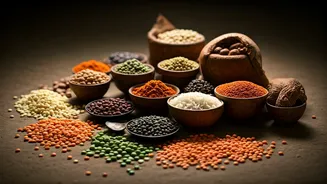
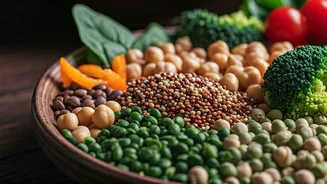
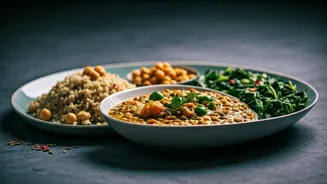
The single most important principle of monsoon eating is to favor warm, cooked meals. Think comforting soups, steamed vegetables, and brothy lentils (dal). These foods are essentially pre-digested by heat, giving your system a much-needed break. A warm bowl of moong dal soup, seasoned with a bit of ginger and turmeric, isn't just soulful—it’s a digestive powerhouse. Raw salads and cold smoothies, while great in the summer heat, can be harder for your body to handle now. Swap them for blanched veggie salads or warm herbal teas.
Embrace the Power of Spices
Spices are your best friends during the monsoon. They're not just for flavor; they are functional ingredients that boost digestion and immunity. Ginger is fantastic for settling an upset stomach and fighting inflammation. Turmeric is a well-known antiseptic and anti-inflammatory agent. Garlic, pepper, and cumin all help fire up your digestive system and protect against the seasonal bugs that thrive in damp conditions. A simple practice is to start your day with a warm cup of water with lemon and a pinch of ginger powder, or to sip on spiced teas throughout the day.
Be Smart About Leafy Greens
Here's a counterintuitive one. While leafy greens are nutritional champions, during the monsoon, they can be problematic if not handled correctly. The high humidity and moisture create a perfect breeding ground for germs and bacteria on the leaves. Does this mean you should skip them? Not at all. It just means you should favor cooked greens over raw ones. Thoroughly wash spinach, kale, and other greens, and then steam, sauté, or add them to soups and stews. This simple step neutralizes potential contaminants while still giving you all the nutritional benefits.
Rethink Your Fried Food Cravings
A rainy day practically screams for a plate of hot, crispy fried snacks. While indulging once in a while is part of life, making it a habit during the monsoon can lead to indigestion, bloating, and skin breakouts. The sluggish digestive system struggles to process the excess oil. Instead of deep-fried pakoras, try their lighter cousins: baked or air-fried vegetable fritters. Or satisfy that savory craving with roasted corn on the cob (bhutta), a classic monsoon street food in India, seasoned with lime, salt, and a little chili.
Hydrate Intelligently
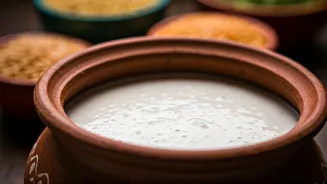
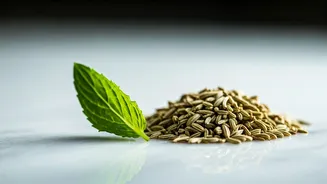
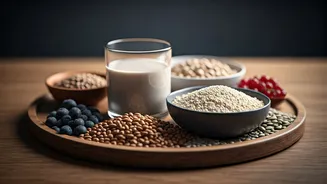
You might not feel as thirsty when the air is humid, but staying hydrated is crucial for flushing out toxins. However, instead of chugging ice-cold water, which can further dampen your digestive fire, opt for warm or room-temperature water. Even better, drink herbal infusions. A simple tea made by boiling water with tulsi (holy basil) leaves, ginger, and a dash of honey can work wonders for your immunity and overall well-being. Buttermilk, or *chaas*, is another excellent choice; its probiotics aid digestion and help maintain a healthy gut.