







The Great American Trade-Down
It’s not that Americans have stopped spending; it’s that they’ve gotten ruthlessly strategic about where their dollars go. The phenomenon analysts call the “trade-down” is in full effect. Consumers who once frequented mid-tier casual dining restaurants
are now opting for fast-casual, and those who were regulars at fast-casual spots are now hitting the drive-thrus of fast-food chains more often. This shift isn’t about a sudden aversion to quality; it’s a pragmatic response to economic reality. With pandemic-era savings largely depleted and inflation remaining a stubborn feature of household budgets, predictability has become a prized commodity. A diner knows exactly what a value meal at McDonald’s or a bundled deal at Chili's will cost, eliminating the risk of an unexpectedly high bill. This quest for certainty is reshaping foot traffic patterns and forcing every food-related business to answer a critical question: how do you offer value without looking cheap?
Fast Food's Value Playbook
Nowhere is this trend more visible than in the fast-food sector. While the entire industry has been forced to raise prices, the brands that have coupled those increases with aggressive, easy-to-understand value offers are pulling away from the pack. McDonald’s, for instance, has leaned heavily into promoting its core value items and app-exclusive deals. Its executives consistently highlight the importance of affordability in earnings calls, recognizing that their core customer is feeling the economic pressure. Similarly, Taco Bell continues to dominate the value conversation with its Cravings Value Menu, offering a variety of items for under $3. These companies aren't just selling cheap food; they're selling a solution to a daily financial problem. By making value a central pillar of their marketing and menu strategy, they are capturing the enormous segment of the population that is actively hunting for a bargain.
How Sit-Down Restaurants Are Fighting Back
The fight for the value-conscious consumer isn't limited to drive-thrus. Smarter casual dining chains have refused to be left behind. Instead of competing on a dollar-for-dollar basis with fast food, they are redefining value for their own context. The most successful strategy has been bundling. Chili’s “3 for Me” and Applebee’s “2 for $25” are masterclasses in this approach. These deals provide a multi-course meal—an appetizer, an entrée, and sometimes a drink or dessert—for a fixed, predictable price. This tactic accomplishes two goals: it presents a compelling value proposition that feels more substantial than a fast-food combo, and it simplifies the decision-making process for diners worried about cost. It allows these restaurants to maintain a higher average check than fast food while still signaling to customers that they understand the need for a budget-friendly night out.
The Trend Extends to the Grocery Aisle
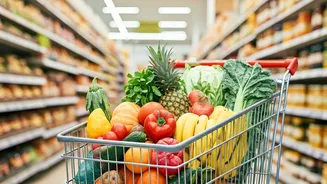
The ultimate form of affordable eating is, of course, cooking at home. And here, too, the value-focused players are thriving. Discount grocers like Aldi, known for their no-frills shopping experience and low-price private-label products, have seen a massive influx of new customers. Shoppers are increasingly willing to trade brand names for store brands to save money, a trend that benefits not only Aldi but also giants like Walmart and Costco, whose Kirkland Signature brand is a retail powerhouse in its own right. This shift indicates that the principle of “affordable eating” is a holistic one. Consumers are applying the same cost-benefit analysis to their grocery list that they apply to their choice of restaurant. The message for the entire food industry is clear: in an economy defined by consumer caution, being the most affordable, reliable option is the most powerful competitive advantage.