
An Unlikely Summer Destination
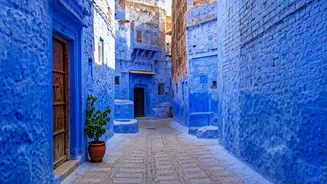
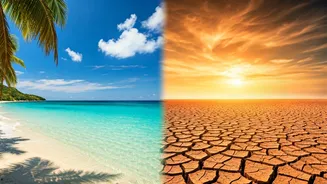
Imagine a city painted in shades of indigo, baking under a relentless desert sun where temperatures soar past 105 degrees Fahrenheit. This is Jodhpur in June. For decades, the travel rule-of-thumb for this corner of India was simple: visit between October
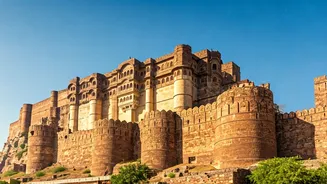
and March. The summer was considered the deep off-season, a time for locals to retreat indoors and for monuments to stand in quiet, sun-drenched solitude. But this year, that script has been flipped. Reports from Rajasthan indicate a surprising and significant influx of visitors, turning the city’s historic sites into bustling hubs of activity when they would typically be deserted. The majestic Mehrangarh Fort, a colossal structure perched on a cliff overlooking the city, is at the epicenter of this trend, welcoming thousands of visitors each day. This isn't a trickle; it's a genuine surge that has local guides, hotel owners, and tourism officials taking notice.
Decoding the Counter-Intuitive Trend
So, what’s driving this counter-intuitive phenomenon? The answer lies in a powerful convergence of factors, primarily led by a boom in domestic Indian tourism. With pandemic-related travel restrictions long gone, there's enormous pent-up demand for vacations. June aligns perfectly with summer school holidays across India, giving families a window to travel. For many, particularly from neighboring states like Gujarat, the allure of Rajasthan's world-famous heritage sites outweighs the discomfort of the heat. Price can also be a motivator. While not empty, the city is still less crowded with international tourists, and some savvy travelers are taking advantage of potential off-season deals on flights and accommodations. It represents a shift in travel psychology: people are prioritizing the opportunity to go *now* and are willing to adapt to challenging conditions to see the places they've dreamed of visiting. It's a testament to the enduring power of bucket-list destinations.
The Fort Experience, Reinvented
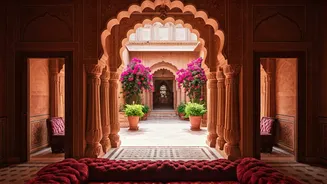
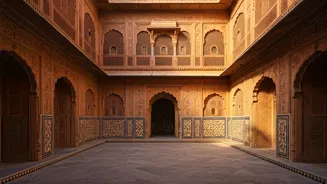
Visiting a sun-baked fortress in extreme heat requires a new strategy, and both tourists and site managers are adapting. At Mehrangarh, the day now starts early. Crowds begin to gather as soon as the gates open to take advantage of the marginally cooler morning hours. Inside, the fort’s design offers natural relief. Its thick stone walls, shaded courtyards, and intricately latticed windows (known as 'jalis') were engineered centuries ago to promote airflow and create cool, peaceful interiors. Visitors move from one palatial room to another, escaping the heat while marveling at the museum's stunning collection of artifacts, from royal palanquins to elaborate weaponry. Vendors do a brisk trade in cold water, fresh lime soda, and lassi. For photographers, the harsh summer sun creates dramatic shadows and intense colors, offering a different kind of beauty than the softer light of winter. It’s the same magnificent fort, just experienced in a completely different context.
A New Blueprint for Off-Season Travel?
Jodhpur’s summer surge might be more than just a temporary spike; it could signal a broader change in how we think about travel seasons. As popular destinations worldwide grapple with over-tourism during peak months, the appeal of the off-season—even a challenging one—is growing. For American travelers planning a trip to India, this trend offers a valuable lesson. While the comfortable winter months will always be popular, visiting during a shoulder or off-peak season can provide a more unique and, in some ways, more authentic experience. You witness the landscape in its most dramatic state and see the destination through the eyes of local and regional tourists. It forces a slower, more deliberate pace, centered around early mornings and long, leisurely afternoons. The willingness of so many to brave the heat for a glimpse of Jodhpur's glory proves that the magnetic pull of a place like Mehrangarh Fort transcends weather forecasts and traditional travel calendars.