


The Globalized Pantry
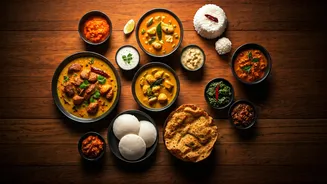
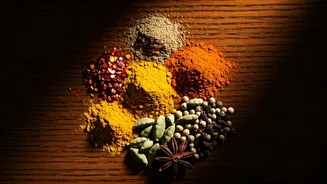
For decades, the story of Indian home cooking in America was one of preservation. Immigrants painstakingly sourced familiar spices and replicated the regional dishes of their childhoods, creating a flavorful anchor to a distant home. That foundation remains,
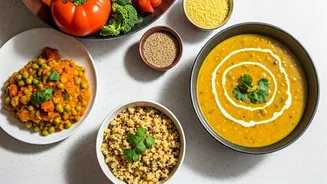
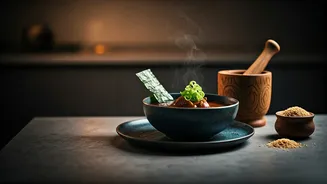
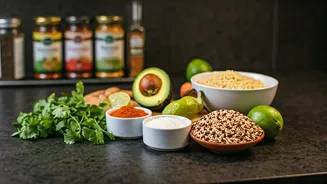
but a new, vibrant layer is being built on top of it. Today’s Indian-American pantry is increasingly global. Sourdough starters bubble on countertops, bottles of high-quality soy sauce and gochujang share shelf space with mustard seeds and fenugreek, and pasta night might feature a creamy tomato sauce swirled with ginger, garlic, and garam masala. This isn't about replacing tradition but expanding it. Cooks who grew up with the complex notes of a family sambar or rogan josh are now asking, “What happens if I add a splash of fish sauce for umami? Or use miso to deepen the flavor of a lentil stew?” The result is a fluid, intuitive style of cooking that feels both deeply personal and globally connected. It reflects the reality of modern American life, where culinary borders are more porous than ever.
The Influence of a Digital Kitchen
Much of this creative burst is being fueled by social media. Platforms like Instagram and TikTok have become digital cookbooks and global food tours rolled into one. A home cook in New Jersey can watch a creator in Seoul make kimchi jjigae and, an hour later, be inspired to add similar spicy, fermented notes to a traditional chicken curry. The algorithm doesn't care about culinary purity; it cares about engagement, and a 'Tikka Masala Burrito' or 'Chai Spiced Tiramisu' is bound to get clicks. Cookbook authors and food bloggers like Priya Krishna, author of *Indian-ish*, and Nik Sharma, author of *The Flavor Equation*, have been instrumental in this shift. They champion a style of cooking that honors their Indian heritage while enthusiastically incorporating ingredients and techniques from other cultures. Their work gives home cooks “permission” to experiment, showing them that authenticity isn't about rigid adherence to old recipes but about cooking in a way that feels true to their own mixed experience.
Forging a Second-Generation Identity
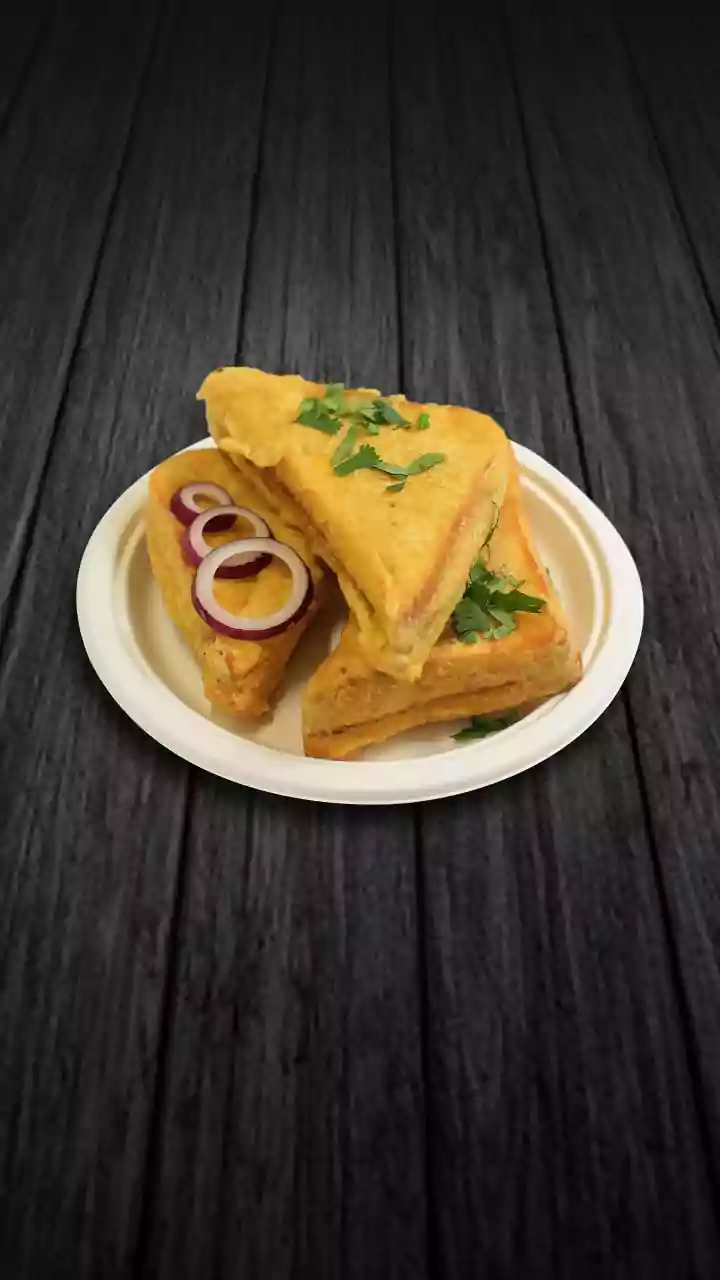
For many second- and third-generation Indian Americans, this culinary experimentation is a way of negotiating identity. They grew up in two worlds: one filled with the tastes and smells of their parents' homeland, and another defined by pizza, tacos, and apple pie. Blending these worlds in the kitchen is a natural expression of their hybrid lives. Creating a dish like a paneer and corn quesadilla or a gulab jamun cheesecake isn't just a novelty; it’s an act of cultural synthesis. It’s a way of saying, “This is my food. It contains the history of my family, but it also reflects my own American journey.” These dishes tell a story of belonging to multiple places at once, without having to choose one over the other. It’s a delicious resolution to the classic immigrant kid dilemma, played out on a dinner plate.
Moving Beyond the 'Curry' Cliché
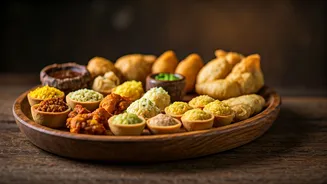
This trend also serves as a powerful antidote to the Western world’s often monolithic view of Indian food. For too long, the cuisine has been reduced to a handful of popular dishes—butter chicken, naan, and a generic, yellow “curry.” By incorporating global ingredients, Indian home cooks are implicitly challenging that stereotype. They are demonstrating the incredible versatility of their foundational flavors and proving that Indian spices can be a base for almost any type of dish. The word 'masala' itself simply means a blend of spices, and every region, and indeed every family, has its own unique combinations. But as cooks now reach *beyond* even that vast internal library of flavors, they are pushing the definition of what Indian food can be. It’s not just a single, static cuisine to be preserved behind glass. It's a living, breathing language of flavor, one that is constantly evolving and absorbing new words.