



The Meaning Behind the Meal
For many, Mithuna Sankranti is an astrological event marking the sun’s entry into Gemini. But in the eastern Indian state of Odisha, it’s the heart of a vibrant, three-day festival known as Raja Parba (pronounced Raw-jaw Par-baw). This beloved celebration
honors womanhood and the earth. Rooted in agrarian tradition, it symbolizes the period when Bhudevi, or Mother Earth, is believed to menstruate and prepare for the coming agricultural season. During these three days, women are given a break from work, celebrated with new clothes, and spend their time on swings, playing games, and enjoying special foods prepared by the men in the family. It’s a festival of rest, reverence, and community, with food at its very center.
The Star of the Show: Poda Pitha
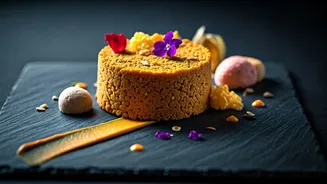
Ask any Odia about Raja Parba, and their eyes will likely light up as they talk about Poda Pitha. Translating to “burnt cake,” this isn’t your typical confection. Traditionally, it’s a dense, moist cake made from a batter of fermented rice and lentils, sweetened with jaggery, and studded with fresh coconut, cardamom, and sometimes cashews or raisins. The magic is in the cooking method. The batter is wrapped in banana or sal leaves and slow-cooked for hours, often overnight, buried in embers or a charcoal fire. This process gives the pitha a caramelized, slightly smoky crust (the “poda”) and a soft, custard-like interior. It’s the taste of nostalgia, a flavor profile deeply embedded in the cultural memory of millions.
The New-Generation Kitchen
So why are Desi foodies, particularly those in the U.S. diaspora, messing with perfection? The answer isn't about rejection, but adaptation and connection. For many first- and second-generation Americans, recreating a dish like Poda Pitha is a tangible link to a heritage that can feel distant. However, the traditional method is a multi-day affair requiring specific equipment that’s hard to find in a suburban American kitchen. Blending the recipe becomes an act of creative problem-solving. It’s about asking, “How can I get that nostalgic flavor using my oven, my Instant Pot, or my Bundt pan?” Furthermore, modern dietary preferences play a huge role. Creating a gluten-free version with rice flour substitutes or a vegan pitha by ensuring no dairy is used makes the tradition accessible to everyone at the table.
From Tradition to Trend: A Modern Feast
The results of this culinary blending are delicious and endlessly creative. On food blogs and Instagram feeds, you’ll find Poda Pitha baked in modern cake pans for a clean, sharp look. You’ll see Poda Pitha cupcakes, perfect for sharing at a potluck without the hassle of slicing a dense cake. Some innovators are making savory versions, treating the rice batter as a base for cheese, herbs, and vegetables. Others lean into the fusion, adding a swirl of chocolate or a dash of espresso to the batter. These aren't just shortcuts; they are reinterpretations. By using an oven to achieve the 'poda' crust or an Instant Pot to drastically cut down the cooking time, these foodies are ensuring the tradition doesn't become a museum piece. They are making it a living, breathing part of their contemporary lives.