


1. Embrace Natural Imperfections
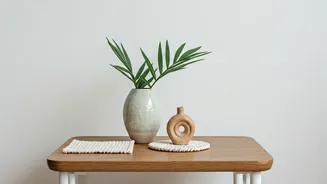
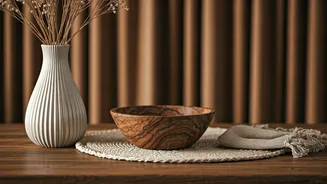
Mass-produced items are defined by their uniformity. A thousand plastic chairs from a factory mold are identical. But a hand-carved wooden bowl, a piece of stoneware pottery, or a hand-loomed wool blanket is different. These items carry the signature
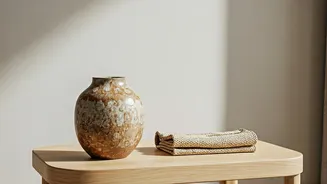
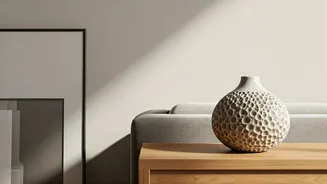
of their materials and their maker. The slight warp in the wood grain, the unique glaze on a mug, the subtle variations in a woven thread—these aren't flaws; they are proof of life. Incorporating decor made from natural materials like wood, clay, linen, and stone introduces an organic element that manufactured perfection can’t replicate. This connection to the natural world instantly makes a space feel more grounded and real.
2. Seek Out the Story
A synthetic home has no history. A home filled with crafted decor is a library of stories. That slightly chipped vase wasn't just bought off a shelf; you found it in a dusty antique shop on a weekend trip. The painting on the wall was made by a local artist whose studio you visited. The quilt on your bed was a gift from a grandparent. Each of these objects is a narrative anchor, a tangible piece of a memory or a connection. When you surround yourself with items that have a past or a provenance, your home stops being a collection of objects and starts being a reflection of your life's journey. It’s the difference between decor that just fills a space and decor that enriches it.
3. Prioritize Texture and Touch
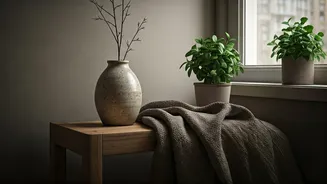
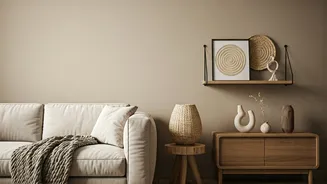
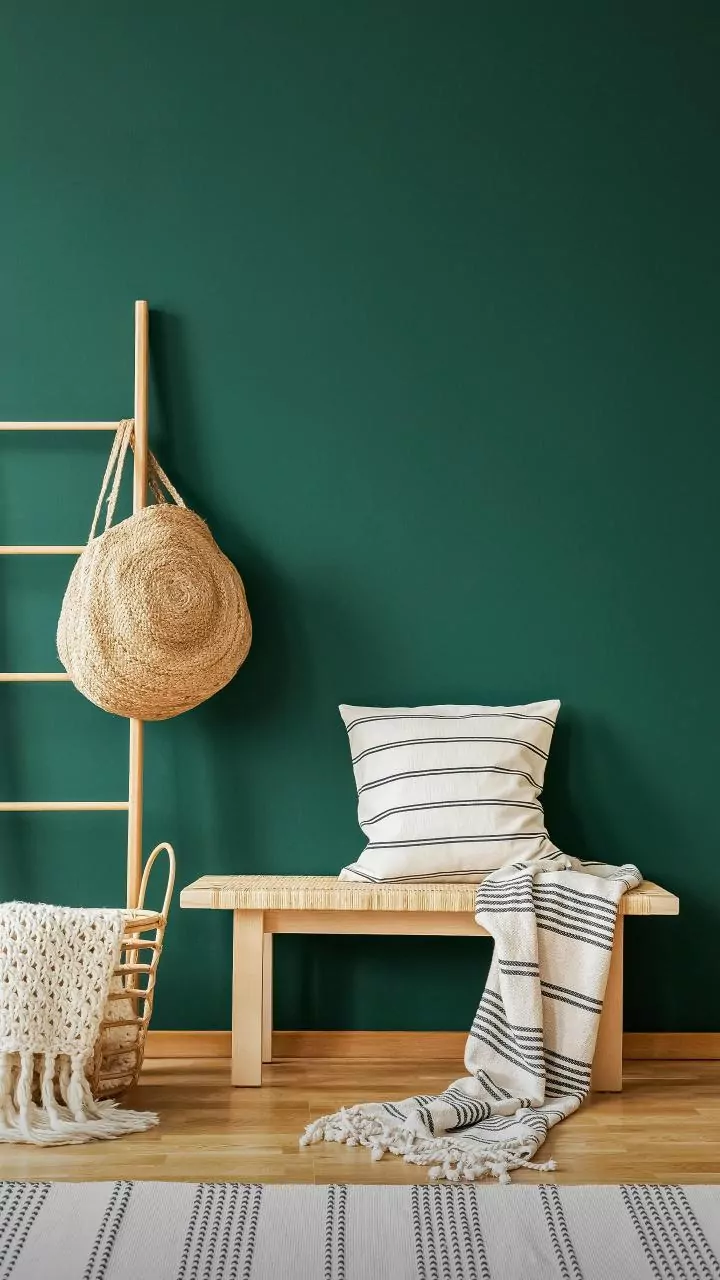
So much of what feels “synthetic” is a lack of sensory engagement. Smooth, glossy, and uniform surfaces can feel cold and uninviting. Crafted decor, on the other hand, is a feast for the hands as well as the eyes. Think of the satisfying weight of a handmade ceramic mug, the coarse feel of a jute rug underfoot, or the softness of a chunky knit throw. Layering these different textures creates a rich, complex environment that invites you to interact with your surroundings. It encourages you to slow down, to touch, and to feel. This multi-sensory experience is a powerful way to build a deep, subconscious feeling of comfort and belonging in your own home.
4. Champion the One-of-a-Kind
In a world of fast-fashion and one-click ordering, choosing something unique is a quiet rebellion. The Japanese have a concept called *wabi-sabi*, which finds beauty in transience and imperfection. A home that embraces this idea celebrates the crack in a repaired bowl or the patina on a vintage brass lamp. It's about letting go of the pressure for flawless, catalog-ready perfection and instead finding charm in the singular and the unique. This mindset shift is key. You're not just buying a thing; you're curating a collection of items that no one else in the world has in quite the same combination. Your home becomes an extension of your own unique point of view.
5. Start Small, but Start with Soul
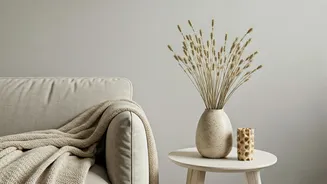
The idea of overhauling your decor can be daunting. The good news is, you don’t have to. The power of crafted items is that a little goes a long way. You can begin the process of making your home less synthetic with a single object. Swap out a set of mass-produced coffee mugs for four different ones made by a potter on Etsy. Replace a generic art print with a small, original piece from a local art fair. Buy a single, beautiful hand-blown glass vase for your table instead of a multipack from a big-box store. These small, intentional choices accumulate, gradually replacing the impersonal with the personal and transforming your space one soulful object at a time.