




An Otherworldly Journey
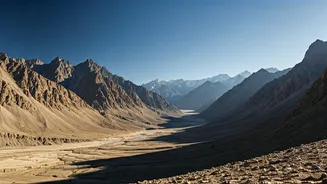
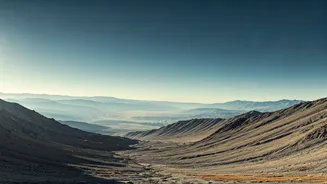
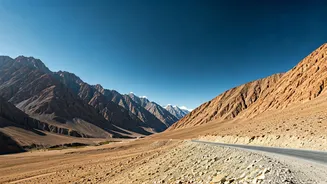
For much of the year, the high-altitude desert region of Ladakh in northern India is a kingdom in the sky, isolated by snow. Its capital, Leh, sits at 11,500 feet, surrounded by jagged peaks. While accessible by air, the soul of Ladakh is best reached
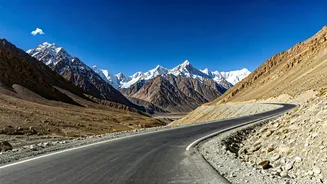
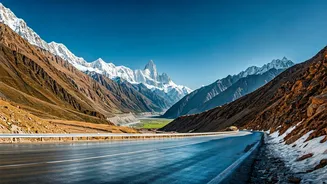
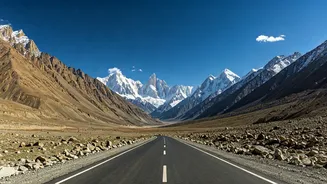
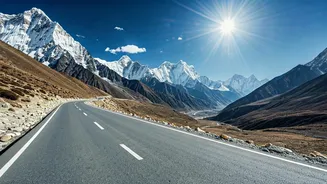
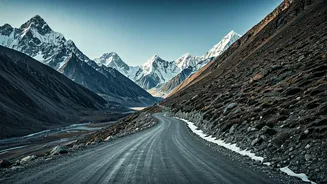
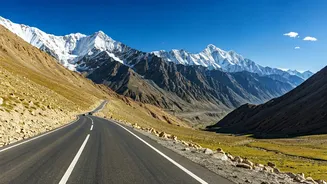
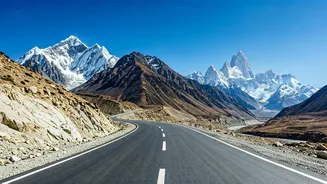
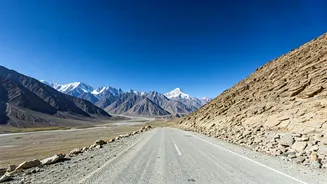
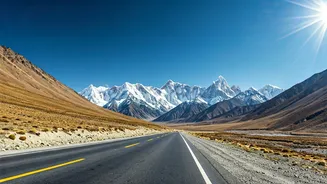
by road. The most legendary of these routes is the Manali-Leh Highway, a nearly 300-mile stretch of some of the most dramatic and dangerous roadway on Earth. It’s a rite of passage for motorcyclists and adventure seekers, a two-day journey that snakes over mountain passes touching 17,500 feet. The road traverses barren moonscapes, hairpin bends called 'Gata Loops,' and vast plains where yaks graze under an impossibly blue sky. This isn't just a commute; it's an expedition. After being buried under deep snow for six to seven months, its formal opening by India's Border Roads Organisation (BRO) each spring is a monumental event that unlocks the region to the world.
The Floodgates Are Open
The opening of the highway doesn't just melt snow; it unleashes a torrent of humanity. The headline's 'explosion' is no exaggeration. Almost overnight, the road becomes a conveyor belt of tourist taxis, roaring Royal Enfield motorcycles, and private cars making the pilgrimage. In recent years, tourism in Leh has swelled from a trickle of hardy backpackers to a full-blown flood. With the highway clear, officials often report tens of thousands of vehicles and hundreds of thousands of visitors pouring into the sparsely populated region over a short three-month window. This single road, along with a second route from Srinagar, is the primary artery for the tourism economy. Its opening signals a frantic, compressed season where local businesses must earn the majority of their annual income before the snows return in October.
From Quiet Outpost to Bustling Hub
The Leh that greets today’s travelers is a world away from the tranquil outpost it once was. The town’s narrow lanes now buzz with a new energy, lined with hotels, guesthouses, and German bakeries catering to an international palate. The central market is a hive of activity, with shops selling Tibetan handicrafts alongside trekking gear and oxygen canisters for those struggling with the altitude. For many Ladakhis, this boom represents unprecedented economic opportunity. The influx of cash funds education, improves homes, and provides livelihoods in a harsh environment with limited agriculture. But this rapid transformation also changes the very fabric of the place. The quiet, contemplative rhythm of Himalayan life now competes with the hum of generators, the honking of traffic jams, and the demands of a service industry running at full tilt.
The Price of Paradise
This explosion of tourism comes at a cost. Ladakh is a cold desert, a fragile ecosystem where resources like water are precious. The massive influx of visitors places an immense strain on the local environment. Water tables are dropping as hotels and guesthouses drill borewells to meet demand. Waste management is a growing crisis, with piles of plastic bottles and other trash marring the pristine landscapes that drew visitors in the first place. The sheer volume of vehicles contributes to air pollution and creates gridlock on roads never designed for such traffic. Local activists and conservationists sound the alarm each year, warning that the region's unique culture and delicate environment are at a tipping point. The very thing that makes Leh so magnetic—its untouched, otherworldly beauty—is being threatened by its own popularity.