



Welcome to the Abode of the Clouds
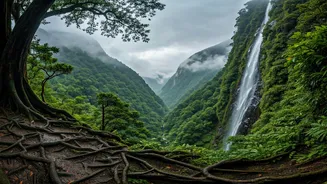
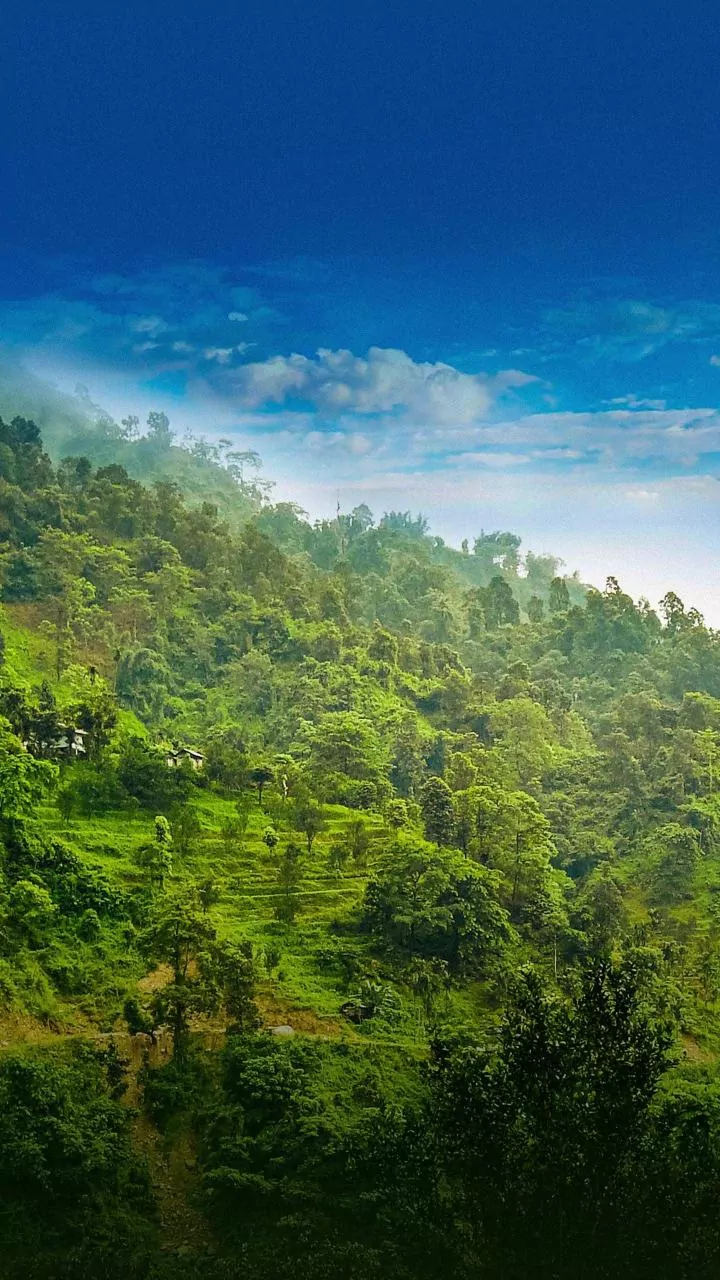
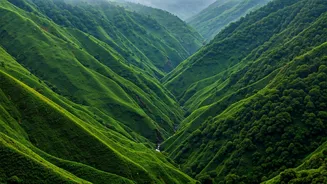
Tucked away in India’s northeast, bordering Bangladesh to the south, is a state whose name literally translates to “Abode of the Clouds.” Meghalaya is a land of rolling emerald hills, deep gorges, and a unique matrilineal culture. For much of the year,
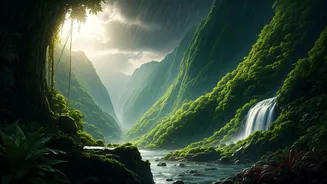
it’s a stunningly beautiful, verdant region. But from roughly June to October, when the Indian monsoon sweeps in from the Bay of Bengal, it undergoes a transformation so dramatic it feels like a different planet. The clouds don’t just visit; they settle in, blanketing the landscape in a perpetual mist from which water seems to pour from every conceivable surface. This isn’t a gentle spring shower—it’s a deluge that awakens the state’s defining feature: its waterfalls.
Where the Monsoon Reigns Supreme
Meghalaya is home to some of the wettest places on Earth. The towns of Mawsynram and Cherrapunji (also known as Sohra) have long vied for the title, each receiving an average of over 450 inches of rain annually. For perspective, that’s more than ten times the rainfall of Seattle. This extreme weather is a product of simple geography. The Khasi Hills, which form the spine of Meghalaya, are the first major landmass to confront the moisture-heavy monsoon clouds funneling north from the Bay of Bengal. Forced to rise rapidly, the clouds cool and dump their staggering water content directly onto the plateau. The result is a landscape engineered by water, where every crease in the hills and every cliff face becomes a potential cascade during the peak season.
A Symphony of Waterfalls
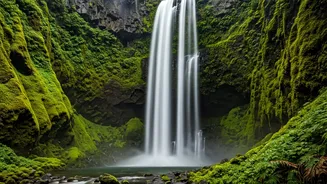
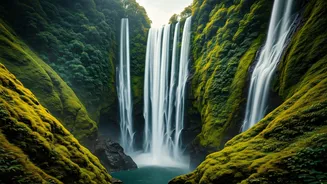
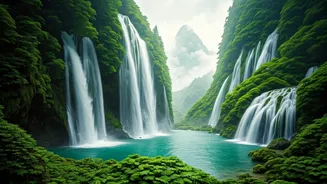
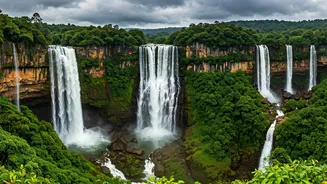
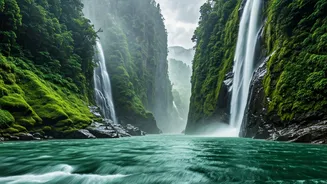
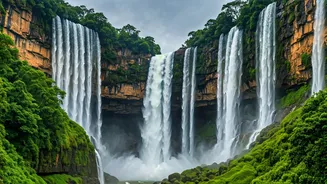
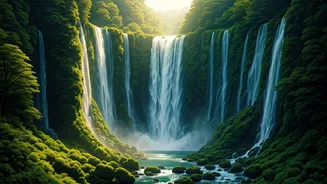
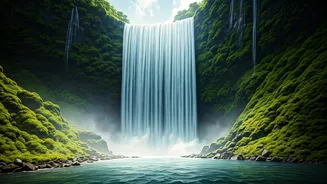
During the monsoon, Meghalaya becomes a gallery of waterfalls, from trickling ribbons to roaring giants. The most famous is Nohkalikai Falls, India's tallest plunge waterfall. In the dry season, it’s a single, elegant stream; during the monsoon, it becomes a terrifyingly powerful, deafening torrent of water plummeting over 1,100 feet into a turquoise pool below. Nearby, the Nohsngithiang Falls, better known as the Seven Sisters Falls, puts on an even grander show. A series of seven parallel streams flow over the limestone cliffs in the dry months, but the monsoon merges them into one immense, unbroken curtain of water that stretches across the entire cliff face. Other spectacles like Elephant Falls and Krang Suri Falls each offer their own unique character, turning any drive through the state into an impromptu waterfall tour.
More Than Just Water
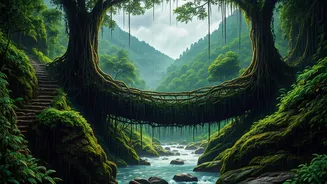
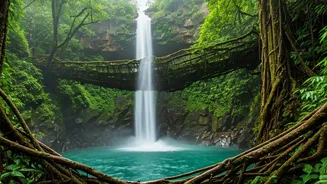
The profound influence of the rain extends beyond the waterfalls. It has shaped every aspect of life in Meghalaya, most famously in the region's living root bridges. For centuries, the indigenous Khasi and Jaintia peoples have guided the aerial roots of rubber fig trees across rivers and gorges, weaving them into sturdy, living structures that only grow stronger with time. These bridges are a brilliant piece of bio-engineering, perfectly adapted to a world where wooden or metal structures would quickly rot and wash away in the relentless dampness. Exploring these bridges, shrouded in mist and surrounded by the sounds of the jungle, feels like stepping into a lost world. It’s a testament to a culture that has learned not just to endure the rain, but to collaborate with it.