





Beyond Calories: What Is ‘Hormone-Aware’ Eating?
At its core, hormone-aware eating is a nutritional philosophy that shifts the focus from a simple “calories in, calories out” model to how different foods influence the body's hormonal systems. For many people, especially women who feel like their bodies
aren't responding to traditional weight loss methods, this approach feels like a revelation. The idea is that by making targeted food choices, you can help support the hormones responsible for metabolism, appetite, stress, and energy levels. It’s less about restriction and more about strategic eating. Instead of just asking, “How many calories does this have?” the question becomes, “What will this food do to my insulin, cortisol, and hunger hormones?” This framework resonates deeply with those who have diligently followed diet rules only to be met with fatigue, cravings, and frustrating plateaus.
The Key Hormonal Players on Your Plate
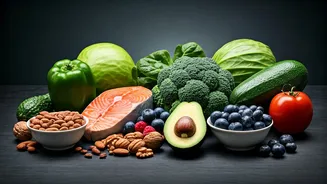
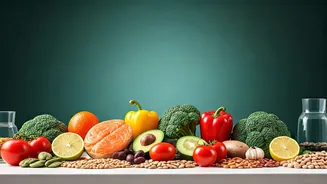
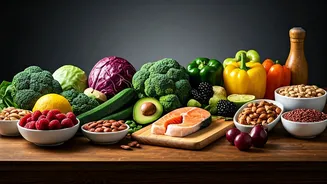
While our bodies have over 50 different hormones, this trend typically zooms in on a few key players that have a major impact on how we feel and function. First is insulin, the hormone that manages blood sugar. A meal high in refined carbs and sugar can cause a rapid insulin spike, leading to a subsequent crash that leaves you tired and craving more sugar. Hormone-aware eating prioritizes balancing meals with protein, healthy fats, and fiber to promote a gentler insulin response. Next is cortisol, the infamous “stress hormone.” Chronic stress can keep cortisol levels elevated, which studies show can trigger cravings for high-fat, sugary foods and encourage fat storage, particularly around the abdomen. This approach emphasizes nutrients that can help manage the body’s stress response, like magnesium (found in leafy greens and nuts) and omega-3 fatty acids (found in fatty fish). Finally, there are the hunger hormones, ghrelin (“I’m hungry”) and leptin (“I’m full”). An imbalance here can lead to constant hunger and overeating. Eating sufficient protein and fiber is a cornerstone of this approach, as they are known to promote satiety and help keep these hunger signals in check.
The Rise of 'Cycle Syncing'
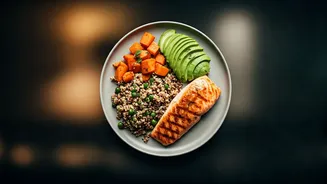
A popular subset of hormone-aware eating is “cycle syncing,” a practice where women tailor their diet, exercise, and even work tasks to the four phases of their menstrual cycle. The theory, largely popularized by functional nutritionist Alisa Vitti, suggests that your body has different nutritional needs during each phase due to fluctuating estrogen and progesterone levels. For example, during the follicular phase (post-period), when estrogen is rising, the recommendation is to eat lighter foods like salads and lean proteins to support energy. During the luteal phase (pre-period), when cravings for comfort food often strike, the focus shifts to complex carbs and magnesium-rich foods like sweet potatoes and dark chocolate to help stabilize mood and energy. While it’s an intriguing concept, it’s also where the trend gets ahead of the science.
What Do Health Experts Say?
This is the million-dollar question. Most registered dietitians and endocrinologists agree with the foundational premise: yes, food absolutely affects your hormones. The advice to eat whole foods, balance your plate with protein, fat, and fiber, manage blood sugar, and reduce stress is evidence-based and universally sound nutritional guidance. Where experts urge caution is with the more rigid and specific protocols, like cycle syncing. There is currently very little robust scientific research to support the idea that you need to eat specific foods during specific weeks of your cycle to achieve hormonal balance. Many experts note that the benefits people feel from cycle syncing likely come from simply paying more attention to their bodies, eating more nutrient-dense foods, and cutting back on processed junk—all of which are positive changes, regardless of timing. The worry is that such strict rules can create unnecessary food anxiety or lead people to ignore their body’s own unique cues.