





The Rise of the Micro-Vacation
The classic two-week annual vacation is losing its monopoly in India. In its place, a new travel rhythm is emerging: shorter, more frequent, and often spontaneous. Post-pandemic, the concept of "revenge travel" has cooled into a more sustainable habit
of regular, bite-sized breaks. Weekend getaways, three-day jaunts to nearby hill stations or beaches, and even single-day "staycations" in a luxury city hotel are booming. This shift is powered by a new work-life mindset. For a growing number of young professionals in cities like Mumbai, Bengaluru, and Delhi, travel is no longer a once-a-year event to be meticulously planned, but a regular part of life—a tool for managing burnout and seeking novelty. Improved highway networks and an explosion of regional airports have made previously long journeys manageable for a weekend, turning what used to be a major expedition into a casual decision.
Tech-Powered and Value-Driven
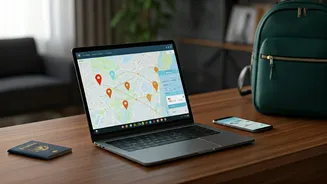
The modern Indian traveler is armed with a smartphone, and it has become their most essential travel tool. The planning process is no longer about flipping through dusty guidebooks or relying on a single travel agent. It’s a dynamic, digitally native experience. Travelers are using apps like MakeMyTrip, Agoda, and Booking.com to compare prices in real-time, reading countless online reviews, and drawing inspiration from Instagram feeds showcasing hidden waterfalls and boutique homestays. But being “smarter” isn't just about finding the cheapest flight. It's about maximizing value. This new generation is willing to pay a premium for unique experiences, convenience, and quality. They're booking curated food walks, private yoga sessions, and stays at eco-lodges over cookie-cutter hotel packages. The smartphone empowers them to research, validate, and book these niche experiences, effectively personalizing a trip from start to finish.
Beyond the Tourist Trail
The definition of a “good” trip has fundamentally changed. For decades, Indian tourism often meant ticking off a checklist of major monuments: the Taj Mahal, the Red Fort, the palaces of Rajasthan. While these landmarks remain popular, they are no longer the sole focus. The new travel mood is about depth over breadth. It's about the experience itself, not just the photo op. This has fueled a surge in interest for destinations and activities that were once considered niche. Wellness retreats in the Himalayas, spiritual journeys to ancient ashrams, adventure sports in Rishikesh, and culinary tours through the spice plantations of Kerala are becoming mainstream. Travelers are actively seeking out destinations in states like Odisha or the Northeast, looking for authentic culture, untouched nature, and stories to tell that go beyond the typical tourist circuit. “Better” now means more personal, more immersive, and more memorable.
What's Driving the Shift?
This transformation isn’t happening in a vacuum. It’s the result of powerful demographic and economic forces. India has one of the world's youngest populations, and this digital-native generation has different aspirations than their parents. Combined with a rapidly expanding middle class with more disposable income, you have a massive, eager market for travel. Furthermore, the pandemic accelerated the adoption of flexible and remote work, blurring the lines between home, office, and vacation. This has given rise to the “workation” trend, where travelers combine leisure with their job, extending stays and exploring destinations more deeply. The government’s investment in infrastructure, from highways to airports, has also been a critical enabler, putting more of the country within easy reach.