




Ignoring That Dashboard Light
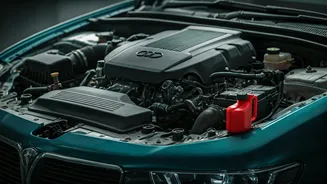
The "check engine" light is the most famous, and often ignored, warning in modern cars. While it can be a loose gas cap, it can also signal a serious engine or emissions problem. Other lights are even more urgent. An oil pressure warning (an oil can icon)
or a high-temperature warning (a thermometer icon) demands immediate attention. Driving with either can cause catastrophic, wallet-crushing engine damage. The rule is simple: a red or flashing yellow light means you need to see a mechanic soon.
Constantly Running on Fumes
Consistently driving until the low-fuel light comes on is a bad habit. Your car's fuel pump, located in the gas tank, relies on the surrounding gasoline to stay cool and lubricated. When you run the tank nearly dry, the pump can overheat and wear out prematurely. Furthermore, any sediment that has settled at the bottom of your tank is more likely to be pulled into the fuel system, potentially clogging filters or injectors. A new fuel pump is expensive; keeping your tank at least a quarter full is cheap insurance.
Shifting Before a Full Stop
It’s a common parking lot move: shifting from Reverse to Drive while still rolling backward slightly. This forces your car's transmission to act as a brake, putting immense stress on the drivetrain. You're causing a jolt to the gears and driveshafts that can, over time, lead to worn components and a failed transmission—one of the most expensive repairs a car can have. Always come to a complete stop before switching between forward and reverse gears.
Using the Shifter as a Hand-Rest
In a car with a manual transmission, resting your hand on the gear shifter is a classic mistake. The weight of your hand, however slight, can cause the selector fork to press against rotating parts inside the transmission, accelerating wear. But automatic drivers aren't immune. Resting your hand on the selector can still put minor stress on the shift linkage and internal mechanisms. It’s a habit with zero benefits and potential long-term costs. Both hands belong on the wheel, or your free hand on your lap.
Aggressive Stop-and-Go Driving
Treating every green light like the start of a race and every stop sign like a finish line is brutal on your vehicle. Jackrabbit starts put a huge strain on the engine and transmission, while slamming on the brakes wears out pads and rotors much faster than necessary. This aggressive style doesn't just hurt your wallet at the repair shop; it tanks your fuel economy. Smooth, gradual acceleration and anticipating stops to brake gently will significantly extend the life of your most expensive components and save you money at the pump.
Neglecting Your Tires and Alignment
Your tires are your car’s only connection to the road, yet they are often overlooked. It's not just about keeping them inflated to the correct pressure. Forgetting to rotate your tires every 5,000 to 7,500 miles leads to uneven wear, forcing you to buy a new set much sooner. Similarly, hitting a major pothole can knock your car out of alignment, causing tires to wear improperly and affecting handling. A misaligned car is constantly "fighting" itself to drive straight, adding stress to suspension components.
Treating Your Car Like a Truck
That weekend trip to the hardware store can be tempting, but every vehicle has a specific payload capacity for a reason. Overloading your car puts a massive strain on its suspension, including the shocks and springs, causing them to fail prematurely. It also forces your brakes to work much harder to stop the extra weight, increasing wear. The engine and transmission also struggle to move the excess load, which can lead to overheating and damage. Check your owner's manual for your vehicle's weight limit and consider renting a truck for heavy loads.