




Not Your Grandmother’s Dal
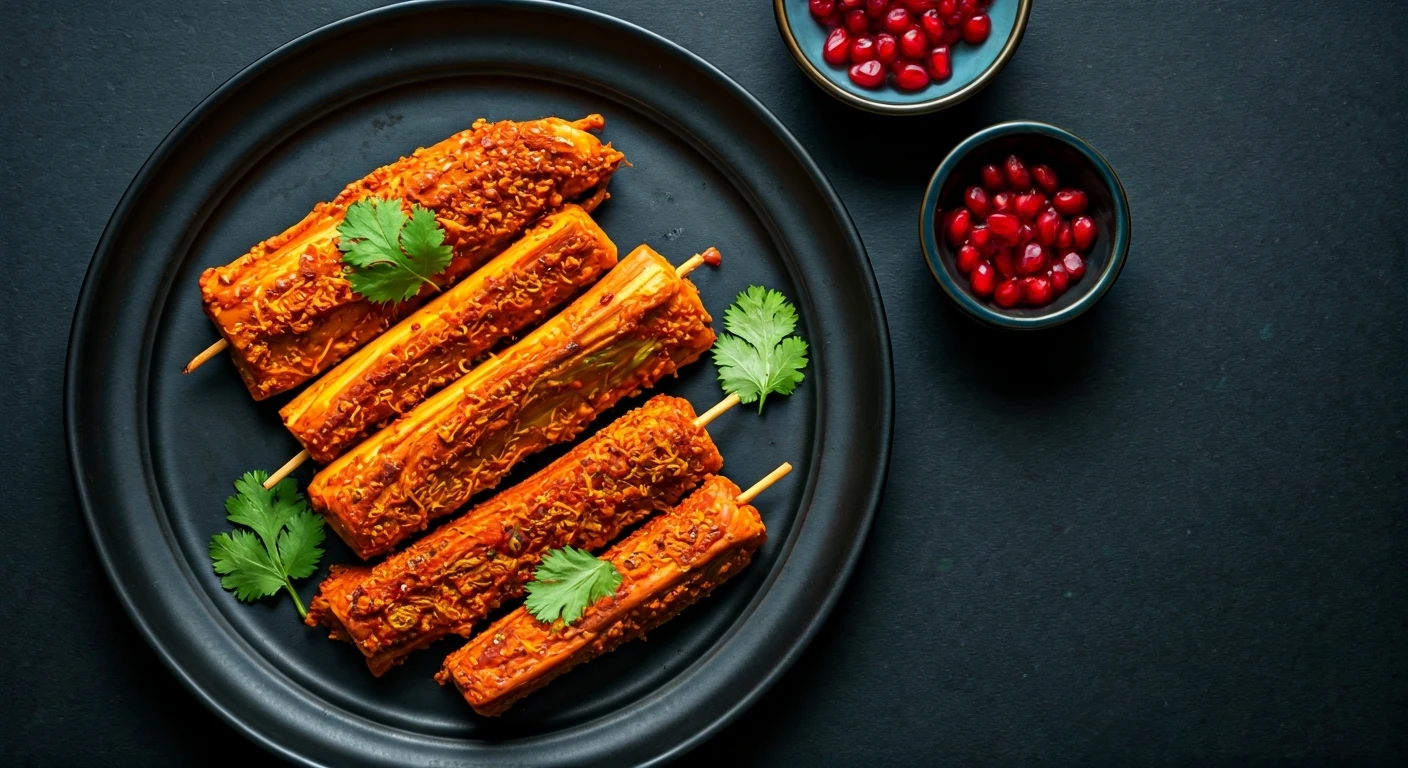
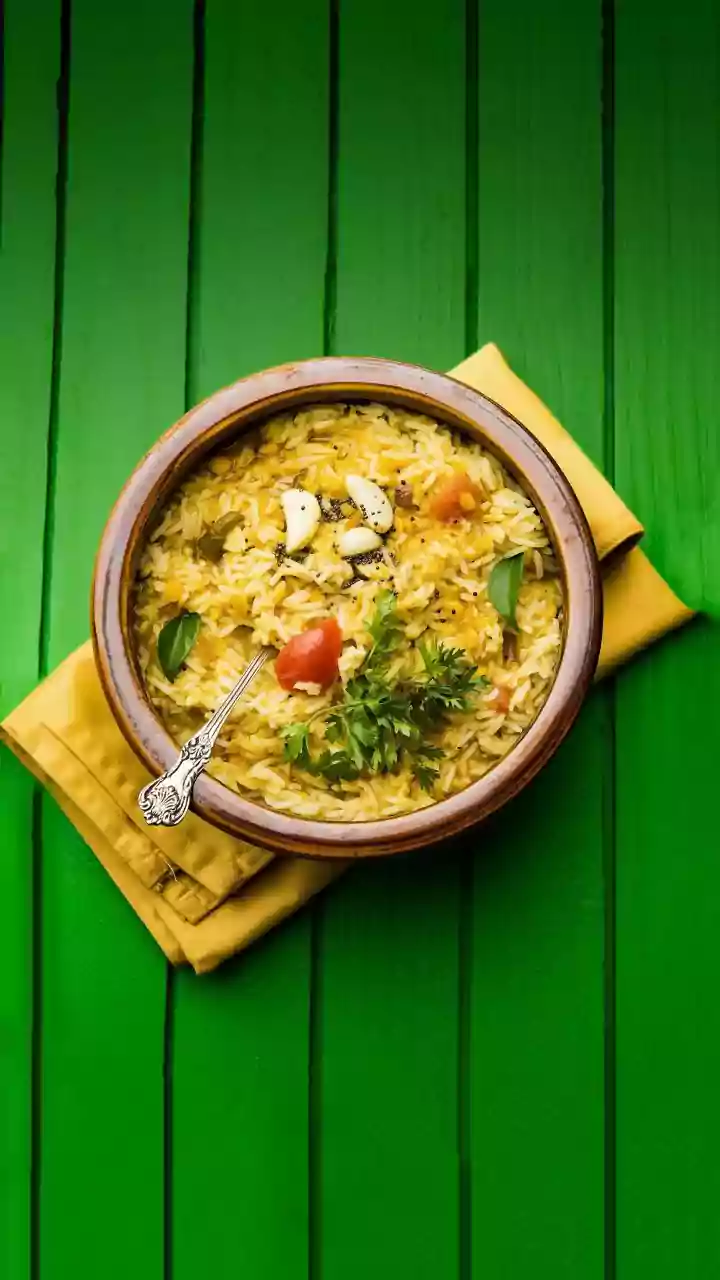
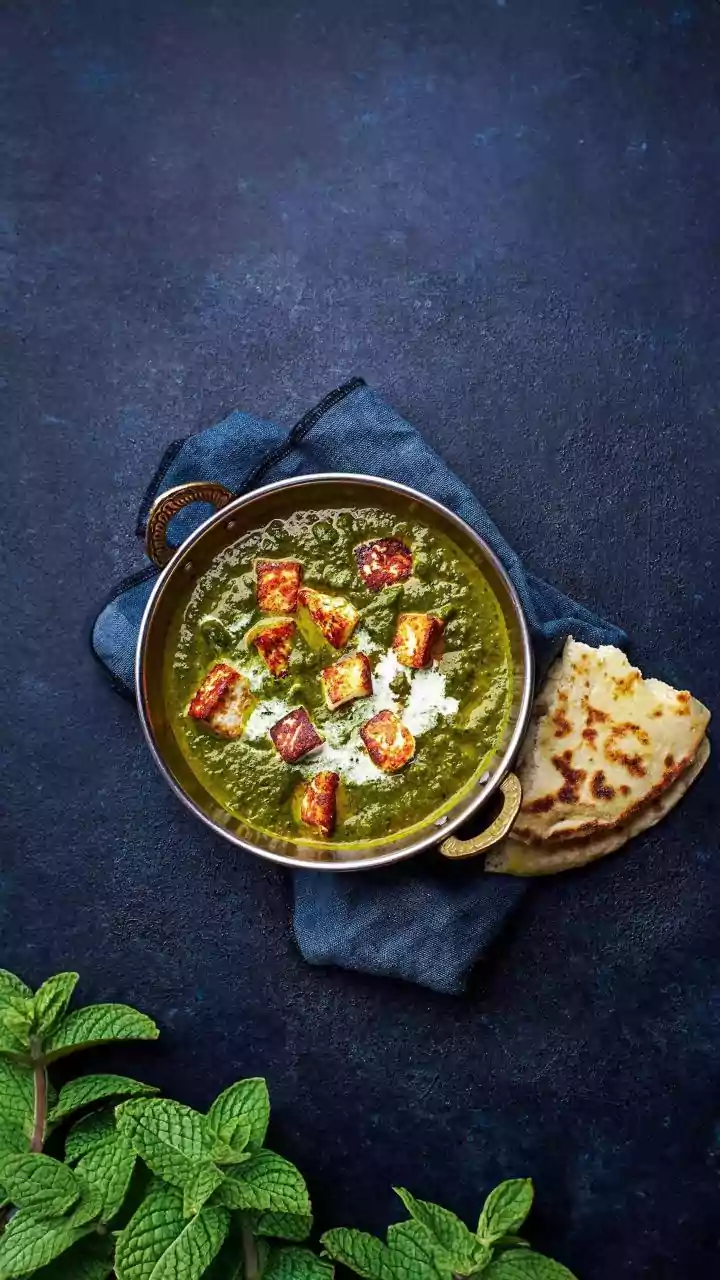
Scroll through the Instagram feed of any young, food-obsessed Indian and you’ll find the familiar comforts of home: vibrant plates of dal, glistening tandoori-style paneer, and rich, hearty curries. But look a little closer at the captions and comments,
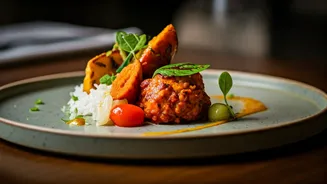
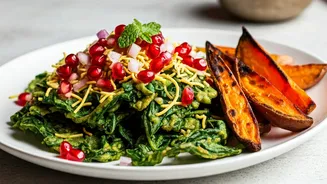
and a new buzzword appears: miso. This staple of Japanese cuisine—a savory, salty paste made from fermented soybeans—is making a quiet but powerful entrance into modern Indian kitchens. Young home cooks and professional chefs are stirring spoonfuls of white, yellow, or red miso into lentil stews, using it as a marinade for chicken, and even whisking it into salad dressings. The result is a wave of dishes that are recognizably Indian but with an unexpected depth and complexity. Think miso-butter chicken that’s intensely savory, dal makhani with an added layer of umami richness, or even a miso-tamarind glaze for roasted sweet potatoes that hits every note from salty to sweet to sour.
The Umami Upgrade
So what, exactly, does miso bring to a cuisine already famous for its bold, complex flavors? The answer is umami, the so-called fifth taste that translates roughly to “savory deliciousness.” While Indian cooking has its own sources of umami—tomatoes, mushrooms, and fermented ingredients used in regional dishes—miso offers a concentrated, versatile, and decidedly modern way to achieve it. Unlike adding more salt, which just increases salinity, a dollop of miso introduces a deep, rounded flavor that makes everything else taste more like itself. It can amplify the earthiness of lentils, complement the sweetness of onions and tomatoes, and provide a rich backbone that stands up to strong spices like cumin and coriander. For a generation raised on global food media, where umami is celebrated as the pinnacle of flavor engineering, miso is a culinary superpower. It’s the cheffy secret ingredient that doesn't require hours of reduction or a pantry full of obscure spices. It’s a simple spoonful that elevates a Tuesday night dinner into something that feels more intentional and, well, fancy.
A Global Pantry for a Global Generation
This trend is about more than just taste. For Indian Gen Z, who grew up with the internet and have traveled more widely (both physically and virtually) than any generation before them, the kitchen is a playground for identity. Their pantries are no longer confined by geography. Gochujang sits next to garam masala, and olive oil shares a shelf with mustard oil. Miso’s adoption is a natural extension of this global mindset. It reflects a curiosity and a confidence to experiment, to borrow from other cultures not as a gimmick, but as a genuine way to enhance their own. Social media is a huge driver, with TikTok and Instagram creators showcasing aesthetically pleasing “fusion” recipes that are easily replicable. Seeing a favorite influencer whip up a “miso-masala mac and cheese” makes the combination feel less strange and more aspirational. It’s cooking as self-expression, where a dish signals not just heritage, but also a sophisticated, contemporary worldview.
Fusion Without the Confusion
At first glance, mixing Japanese miso with Indian spices might sound like a chaotic clash of cultures. But the pairing works remarkably well because it’s a thoughtful fusion, not a random one. Fermentation is not foreign to Indian cuisine; from dosas and idlis in the south to pickles and dhokla in the west, fermented foods are an integral part of the culinary landscape. Miso, as a fermented soybean product, fits naturally into this framework. Its salty, funky profile harmonizes beautifully with the foundational flavors of Indian cooking. The nuttiness of red miso can complement the smoky notes of roasted spices, while the milder sweetness of white miso can balance the heat of chilies and the tang of tamarind. This isn't about replacing traditional ingredients but supplementing them. It’s a respectful dialogue between two ancient food cultures, orchestrated by a new generation that sees no borders on its dinner plate.