




Moving Beyond the Dog Park
For decades, the designated dog park was the primary solution for urban pet owners: a fenced-in plot of land, often covered in wood chips or dirt, where dogs could run off-leash. While useful, this approach effectively quarantines pets and their owners from
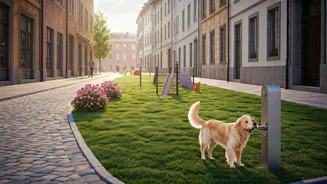
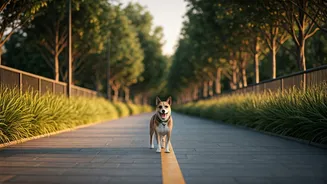
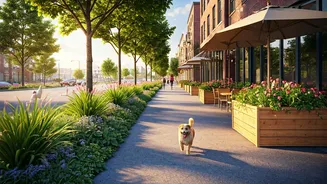
the rest of the city's fabric. Now, a more integrated philosophy is taking hold. Enter the 'pet-friendly route.' This isn't a single destination but a network of connected pathways, greenways, and commercial corridors intentionally designed to accommodate people with their pets. Think of a walking trail that not only connects a residential area to a park but is also lined with amenities like water fountains with ground-level spigots, conveniently placed waste stations, and clear signage about leash rules. These routes are designed for movement and integration, not just containment.
How Paws on Pavement Build Community
The headline's claim that these routes make cities 'more shareable' isn't just a feel-good sentiment; it's rooted in principles of modern urban design. When public spaces are welcoming to pets, they become natural gathering points. A dog acts as a social lubricant, turning a solitary walk into a series of micro-interactions. Strangers stop to ask about a dog's breed, share stories about their own pets, or simply exchange a friendly smile. This phenomenon, well-documented by urbanists, is a powerful antidote to the isolation that can define city living. Furthermore, these routes encourage what Jane Jacobs famously called 'eyes on the street.' A steady stream of dog walkers, present from early morning to late evening, increases passive surveillance, making parks and pathways feel safer for everyone, whether they have a pet or not. This increased foot traffic creates a virtuous cycle of safety and community engagement.
Pioneers in Pet-Centric Urbanism
Several U.S. cities are leading the charge. Austin, Texas, is a prime example. The Ann and Roy Butler Hike-and-Bike Trail encircling Lady Bird Lake is a bustling artery of city life where joggers, cyclists, and legions of dog walkers coexist. The city has embraced this, ensuring the trail is supported by a culture of pet-friendly patios at nearby cafes and restaurants. Similarly, Denver has invested heavily in its greenway system along the South Platte River, creating corridors that are as popular with Labradors as they are with commuters. In Portland, Oregon, the city’s numerous urban trails and famously dog-welcoming culture have made it a magnet for pet owners. These cities demonstrate that pet-friendly infrastructure isn't an afterthought but a core component of a desirable, active urban lifestyle. The key is that these spaces aren't just 'for dogs'; they are high-quality public amenities that become even more vibrant because they welcome pets.
The Challenges of a Shared Space
Of course, creating a truly shareable city requires more than just rolling out the welcome mat for pets. Thoughtful planning is essential to manage the inevitable challenges. Effective and abundant waste disposal is non-negotiable to maintain cleanliness and public health. Clear and consistently enforced rules about leashes and animal behavior are crucial to ensure that people who are fearful of dogs or simply want to enjoy a park without interruption can do so comfortably. The goal isn't to turn every public square into an off-leash park, but to design a layered system where different needs can coexist. This might mean designating certain hours for off-leash activity, creating separate paths for fast-moving cyclists and strolling dog walkers, and ensuring there are quiet, pet-free zones for those who want them.