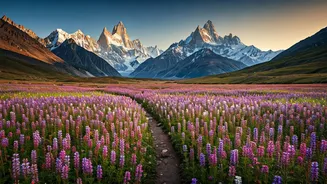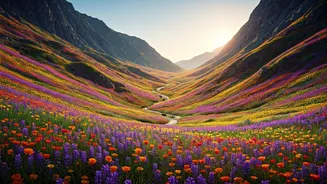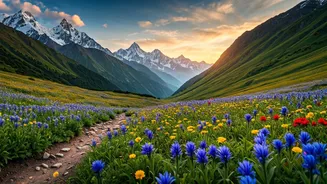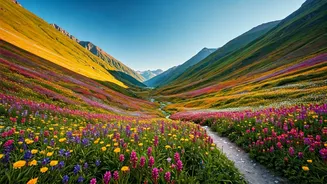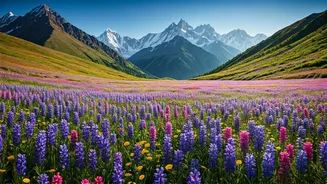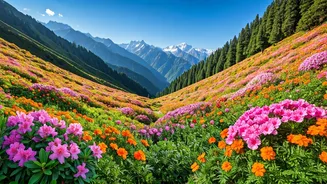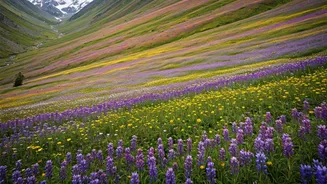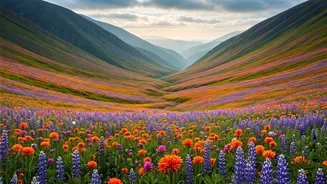

A Meadow at the Top of the World
Tucked away in the Garhwal Himalayas of Uttarakhand, India, the Valley of Flowers National Park is a place of legend. For most of the year, it lies dormant under a thick blanket of snow. But for a few short months during the monsoon season, from roughly
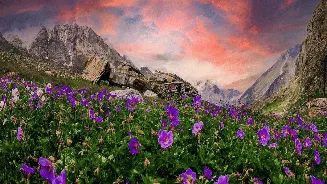
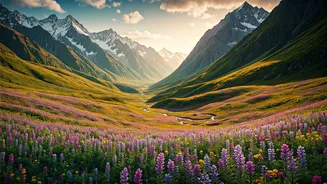
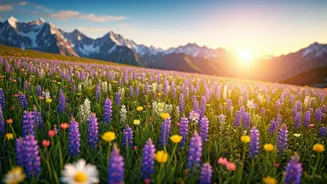
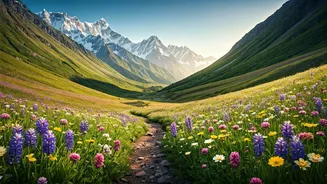
July to September, it explodes into a breathtaking spectacle. Hundreds of species of alpine flowers bloom in unison, creating a floral tapestry that stretches for miles. This isn't your average botanical garden; it's a wild, untamed UNESCO World Heritage site, a vibrant ecosystem teeming with life at an altitude of over 11,000 feet.
More Than Just a Pretty Place
The valley’s allure goes far beyond its Instagram-worthy vistas. It is a site of immense ecological importance, home to rare and endemic flora like the elusive blue poppy, cobra lily, and brahmakamal—a sacred flower said to bloom only after dark. For botanists and nature lovers, it’s a living library of high-altitude plant life. The park is also a sanctuary for endangered animals, including the Asiatic black bear, snow leopard, and blue sheep. This fragile environment is fiercely protected, with access limited and overnight camping strictly forbidden, preserving its pristine character and ensuring that its magic endures for generations.
The Journey Is the Destination
Getting to the Valley of Flowers is not a simple drive-up affair; it’s a pilgrimage that requires effort, and that’s a core part of its appeal. The journey is a multi-day trek that tests your endurance and rewards you at every step. It typically begins in the dusty town of Govindghat, from where trekkers make their way to Ghangaria, a small, bustling base camp village that serves as the gateway to both the valley and the sacred Sikh shrine of Hemkund Sahib. The trail winds along the roaring Pushpawati River, through dense forests and across scenic bridges. It’s a physical challenge, with steep inclines and the ever-present effects of altitude. But the shared camaraderie with fellow hikers and the stunning mountain scenery make the exertion feel less like work and more like a rite of passage.
Why Now? The Post-Pandemic Pull
The renewed interest in the Valley of Flowers isn't a coincidence. After years of lockdowns and screen-heavy lives, travelers are seeking experiences that are raw, real, and transformative. There's a collective yearning for wide-open spaces and meaningful physical challenges. The valley offers the perfect antidote to the monotony of the modern world. It’s a place where the Wi-Fi is weak but the connection to nature is profound. Social media has played its part, of course. Stunning images and videos from the trek have circulated widely, planting a seed of wanderlust. For many, ‘bookmarking’ a trip to the valley represents a commitment to adventure and a promise to trade comfort zones for the awe-inspiring beauty of the natural world.
Know Before You Go
Planning a trek to the Valley of Flowers requires careful preparation. The window to visit is narrow, and the weather is unpredictable. The monsoon rains that bring the flowers to life also mean you should be prepared for wet conditions and potential landslides. A permit from the Forest Department is required to enter the park. While you can trek independently, many opt for local guides who know the terrain, can identify the flora, and add a rich layer of cultural context. Acclimatizing properly in Ghangaria for a day is crucial to avoid altitude sickness. Pack light, but don't skimp on essentials: sturdy waterproof hiking boots, rain gear, and layers of warm clothing are non-negotiable.