



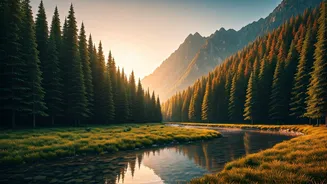

The Classic 'Hill Station' Explained
The term “hill station” originated in the 19th century with British colonists in India, who sought refuge from the scorching summer heat of the plains in high-elevation towns like Shimla and Darjeeling. These weren't just villages; they were purpose-built
summer capitals with distinct architecture, cool breezes, and a culture of leisurely escape. While the U.S. lacks the same colonial history, the principle is universal: elevation is nature’s air conditioning. As temperatures soar across the country, a growing number of Americans are discovering our own versions of these breathable sanctuaries—mountain towns that offer crisp air, stunning scenery, and a welcome break from humidity and sweltering heat.
Asheville, North Carolina: Appalachian Charm
Nestled in the Blue Ridge Mountains at an elevation of over 2,000 feet, Asheville has long been a haven for those seeking milder summers. While daytime temperatures are warm, the evenings are refreshingly cool, perfect for enjoying the city’s famous brewery scene or listening to live music outdoors. The surrounding mountains offer an endless network of hiking trails, waterfalls, and scenic drives along the Blue Ridge Parkway. Asheville’s vibrant arts community and acclaimed culinary landscape provide plenty of activity beyond the outdoors, making it a well-rounded destination that trades oppressive humidity for cool mountain air and cultural richness. It’s the quintessential American hill station with a bohemian soul.
Taos, New Mexico: High-Desert Artistry
Don't let the desert location fool you; at nearly 7,000 feet, Taos offers a surprisingly comfortable summer climate. The high elevation and low humidity mean that even on the warmest days, the heat is dry and manageable, and evenings are cool enough for a light jacket. This unique environment has attracted artists and free-thinkers for over a century, creating a town that is a stunning blend of Native American, Spanish colonial, and Anglo cultures. Visitors can explore the ancient Taos Pueblo, browse countless art galleries, or hike in the Sangre de Cristo Mountains. Taos provides a breathable escape that’s culturally profound and spiritually rejuvenating, proving that a summer refuge can be found in the most unexpected landscapes.
Lake Placid, New York: Adirondack Adventure
Famed for hosting two Winter Olympics, Lake Placid is arguably even better in the summer. Located in the heart of the Adirondack Mountains at an elevation of about 1,800 feet, it’s a paradise for outdoor enthusiasts. The air is clean, the scenery is dramatic, and the namesake lake—along with nearby Mirror Lake—offers opportunities for swimming, kayaking, and paddleboarding. The town itself maintains a classic, sporty charm, with shops and restaurants catering to an active crowd. It’s a place where you can hike one of the 46 Adirondack High Peaks in the morning and be back in town for a relaxed dinner by the water in the evening. It’s the breathable choice for those who want their mountain escape with a dose of athletic history.
Jackson, Wyoming: Gateway to the Grand Tetons
For a truly dramatic high-altitude experience, it's hard to beat Jackson. Situated in the Jackson Hole valley at over 6,200 feet, the town lives in the shadow of the jagged, breathtaking Teton Range. The summer air is thin, dry, and invigorating. While it’s the gateway to both Grand Teton and Yellowstone National Parks, Jackson is a destination in its own right, with a rustic-chic vibe that blends cowboy culture with upscale amenities. Spend your days wildlife spotting, hiking pristine trails, or rafting the Snake River, and spend your evenings enjoying the cool mountain air in the iconic town square. It’s an escape that feels both wild and civilized, offering a powerful dose of nature’s grandeur.