
The Handcrafted Feel of Crochet
There’s a reason that crochet top or bag feels different. It’s not just a piece of clothing; it’s a nod to a slower, more deliberate way of making things. Popularized in the 1970s, crochet embodies a bohemian, anti-establishment spirit that valued craft
over mass production. The open-weave texture instantly evokes images of music festivals, sun-drenched road trips, and a general sense of creative freedom. When you wear crochet today, you’re tapping into that narrative. It’s a tangible rejection of the perfectly smooth, machine-made world. Each knot and loop tells a story of patience and human touch, even if it was produced in a factory. It adds a layer of texture and authenticity to a simple pair of jeans or a linen skirt, making the whole outfit feel more grounded and personal. It’s less about chasing a fleeting trend and more about wearing a piece of portable, wearable art with a free-spirited past.
The Effortless Cool of the Camp Collar
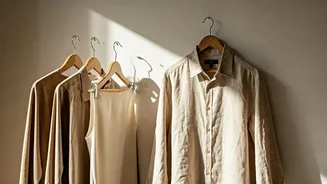
The camp collar shirt is the official uniform of leisure. With its flat, open-notched lapels, it has a relaxed, unbuttoned DNA that dates back to the mid-20th century. Worn by everyone from Elvis Presley on vacation to suburban dads at a weekend barbecue, the shirt tells a story of post-war prosperity and the invention of American casual cool. It’s the shirt you wear when you have nowhere to be and all day to get there. Unlike a starched, button-down collar that screams “office,” the camp collar says “I’m off the clock.” Tucked in or left loose, in a solid color or a bold Hawaiian print, it frames the face with a casual, confident air. It’s a simple detail that transforms a basic button-up into a statement of intent: the intent to relax. In a world that often demands we be “always on,” choosing a camp collar feels like a small act of rebellion—a commitment to enjoying the moment.
The Romantic Nostalgia of Smocking
Smocking, that gathered, stretchy embroidery that often details the bodice of a dress or blouse, is pure romantic nostalgia. Its roots go back centuries as a practical technique to add elasticity to garments before modern fabrics existed. But in the fashion lexicon, it evokes a softer, more idyllic past—think prairie dresses, folk revivals of the '70s, and the intricate details of vintage children’s clothing. This tiny, textured detail carries a powerful story of femininity and craft. It creates shape without rigid structure, offering both comfort and a flattering silhouette. Wearing a smocked top or dress today feels like an escape. It’s a visual break from the sharp lines and minimalist aesthetic that have dominated fashion for years. It tells a story of pastoral daydreams and quiet confidence, connecting the wearer to a long lineage of romantic, detailed garment-making. It’s a soft-focus filter in a high-definition world.
The Playful Pop of Retro Prints
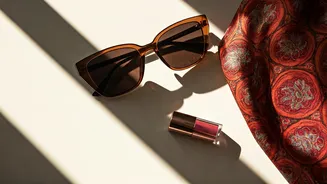
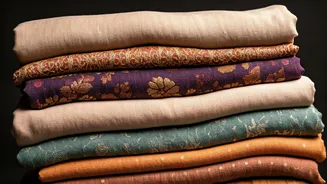
While a solid color is safe, a bold, retro-inspired print is a story. Think of the swirling psychedelic patterns of the 1960s or the cheerful, geometric florals of the 1970s. These prints weren’t just decorative; they were expressions of a cultural moment. They represented optimism, social change, and a departure from the conservative styles of previous decades. Today, wearing a bold '70s floral on a maxi dress or a '60s geometric on a silk scarf is about more than just adding color. It’s about channeling that era's energy. A great retro print is an instant mood-lifter and a declaration of confidence. It says you’re not afraid to be seen, to take up space, and to have a little fun with your wardrobe. It turns a simple silhouette into a piece of moving art, telling a story of vibrancy and joyful self-expression that feels just as relevant now as it did then.