

Beyond the Cream and Curry
For many Americans, "Indian food" conjures images of rich, creamy sauces and heavy naan bread—delicious, but often seen as a weekend indulgence. But that's a tiny, often Anglicized, slice of a vast and varied culinary universe. The current movement shines
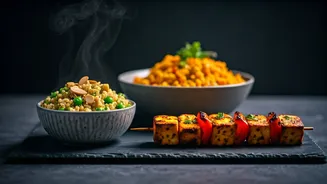
a light on the everyday, home-style cooking of the Indian subcontinent, which is inherently lighter, plant-forward, and built around digestive wellness. It’s the food grandmothers have been making for generations, emphasizing regional vegetables, whole grains, and legumes. This isn't about dieting; it’s about rediscovering a balanced way of eating where flavor and function go hand in hand. Think less Chicken Tikka Masala and more regional thalis featuring a variety of small, digestible portions of lentils, vegetables, and grains.
The Fermentation Factor
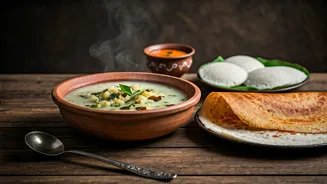
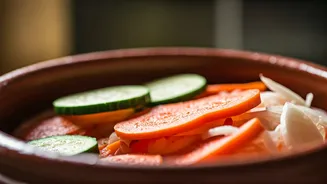
Long before kombucha became a status symbol, Indian households were mastering the art of fermentation. This is a cornerstone of its gut-friendly reputation. The most famous examples are the light, spongy crepes (dosa) and steamed cakes (idli) from South India. They’re made from a batter of rice and lentils that’s left to ferment overnight. This natural process not only creates their signature tangy flavor and airy texture but also breaks down anti-nutrients, making them easier to digest. The fermentation process cultivates beneficial bacteria—probiotics—that help support a healthy gut microbiome. Other fermented staples include dhokla, a savory cake from Gujarat, and the vast world of 'achaar' (pickles), where vegetables are preserved in brine and spices, creating a condiment teeming with probiotic potential.
A Spice Rack That Heals
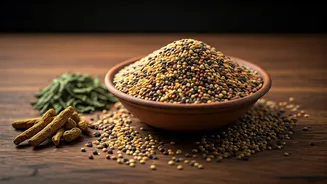
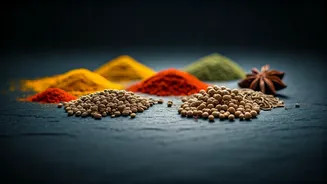
The Indian spice box, or masala dabba, isn't just for flavor; it's a traditional medicine cabinet. Many of the spices central to Indian cooking are now being studied for their profound health benefits. Turmeric, with its active compound curcumin, is a powerful anti-inflammatory. Ginger is a well-known digestive aid that can soothe an upset stomach. Cumin seeds are traditionally used to combat bloating and gas, while fenugreek is believed to aid digestion. Asafoetida (hing), though pungent, is often added to lentil dishes specifically to make them more digestible. This isn't about megadosing on supplements; it's about the synergistic effect of using these spices in small, regular amounts as part of a complete meal, which is how they have been consumed for centuries to promote overall balance.
The Power of Pulses and Plants
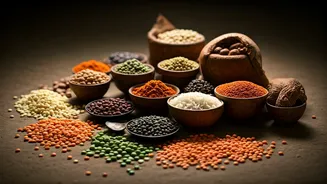
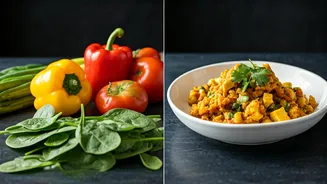
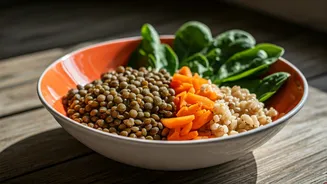
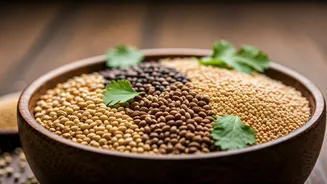
At the heart of daily Indian meals is dal—a simple, comforting stew made from lentils, beans, or peas. Dal is a fiber powerhouse. This dietary fiber acts as a prebiotic, which is essentially food for the good bacteria in your gut, helping them thrive. A diet rich in diverse plant-based fibers is one of the most effective ways to foster a robust and healthy gut microbiome. Beyond dal, Indian cuisine features an incredible diversity of vegetables, from gourds and leafy greens to roots and tubers, often cooked with digestive spices. This plant-centric approach ensures a constant supply of fiber and phytonutrients, creating an internal ecosystem where beneficial gut flora can flourish.
Yogurt's Probiotic Punch
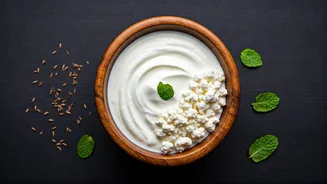
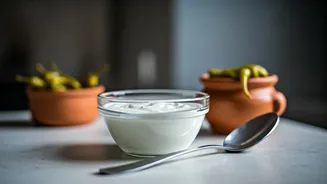
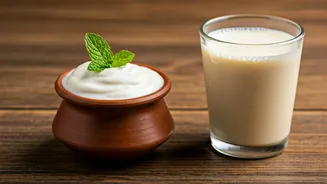
Yogurt, known as 'dahi' in Hindi, is more than just a side dish in Indian cuisine; it’s an integral part of the meal, used to cool the palate and aid digestion. Homemade yogurt is a staple in many Indian homes and is naturally full of live and active cultures. It’s used to make raita (a cooling yogurt dip with herbs or vegetables), lassi (a blended yogurt drink), and is often simply served alongside a spicy main course. This regular intake of probiotics from a natural, whole-food source is another pillar of the diet's gut-friendly design. It helps replenish the good bacteria in the digestive tract, contributing to better nutrient absorption and overall gut health.