




Beyond the Mango Lassi
For many Americans, the universe of Indian beverages begins and ends with mango lassi. And while that sweet, creamy yogurt drink is a deservedly beloved classic, it’s just the gateway. The world of “Desi coolers” is a vast and delicious landscape of drinks
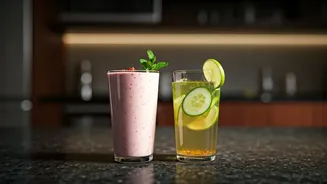
designed for refreshment, wellness, and pure joy. Imagine a 'shikanji,' the Indian subcontinent’s answer to lemonade, but supercharged with a zing of black salt (kala namak) and roasted cumin, creating a savory-sweet-sour trifecta that hydrates like nothing else. Or picture 'aam panna,' a tangy, spiced cooler made from boiled raw green mangoes, revered for its ability to combat heatstroke. There’s also the 'falooda,' a dessert-drink hybrid layered with rose syrup, vermicelli, sweet basil seeds, and ice cream—a maximalist fantasy in a glass. And don't forget savory lassis, like the salted or 'masala' versions, which are more like a refreshing, spiced liquid yogurt than a milkshake.
A Resurgence Fueled by Nostalgia
So why are these drinks suddenly everywhere? Part of the answer is nostalgia. For generations of South Asian diaspora kids, these coolers weren't a trend; they were a non-negotiable part of summer. They were the homemade antidotes to scorching afternoons, mixed by mothers and grandmothers who had a seemingly magical understanding of spices and their cooling properties. As second- and third-generation chefs and food creators gain influence in the U.S., they are proudly reclaiming these flavors. They are looking back at their own heritage and finding profound culinary inspiration. This isn't just about reviving a recipe; it's about sharing a piece of their identity and celebrating the everyday genius of home cooking. This cultural pride, amplified through social media, has introduced these drinks to a whole new audience eager for authentic, story-rich food experiences.
The Modern 'Kitchen Cred' Makeover
The “serious kitchen cred” comes from how these traditional drinks are being reinterpreted. This isn't just about pouring Rooh Afza syrup into milk anymore. At top-tier restaurants, you’ll find non-alcoholic drink pairings featuring sophisticated, house-made shikanjis that stand up to complex dishes. Bartenders are using the savory, spiced notes of masala chaas (buttermilk) or the tang of aam panna as a base for innovative cocktails, adding gin or tequila to create something entirely new. Food bloggers and TikTok creators are driving the trend from the ground up. They're experimenting with lavender-infused lassis, jalapeño-spiked shikanjis, and chia seed-based faloodas. The emphasis is on high-quality, fresh ingredients—ditching powders and bottled syrups for fresh-ground spices, seasonal fruits, and artisanal yogurts. This elevation transforms a simple home cooler into a craft beverage, one that is as complex and worthy of discussion as any cold brew or kombucha.
Your Kitchen, Your Cooler
The best part of this trend is its accessibility. You don’t need a culinary degree or a professional kitchen to get in on it. The beauty of Desi coolers lies in their adaptability. Start simple. Make a basic salted lassi by blending plain yogurt, water, salt, and a pinch of roasted cumin powder until frothy. It’s a five-minute-or-less revelation. Or try a shikanji: juice a few lemons or limes, add water, sugar to taste, a pinch of salt, and a generous pinch of black salt and roasted cumin powder. Serve over tons of ice. The key is to taste and adjust. Do you want it sweeter, more savory, more spiced? It's your drink. This spirit of personalization is exactly what makes these coolers so enduring. They are a template for flavor, not a rigid prescription.